The Art of Creating Memorable Characters: Tips for Writing Protagonists and Antagonists in Adventure Narratives

The Essence of Engaging Characters in Adventure Narratives
Adventure narratives thrive on the power of memorable characters. These figures serve as the lifeblood of a story, driving the plot while engaging readers on a deeper emotional level. Yet, what exactly makes a character truly unforgettable? As storytellers and readers alike turn the pages of epic tales, the depth and intricacies of character creation become paramount.
Both protagonists and antagonists hold essential roles in shaping the adventure experience, and their distinct qualities often define the tone and direction of the story. In creating characters that resonate, several key aspects require thoughtful attention:
- Depth: Characters should boast multifaceted personalities and detailed backstories that give readers insight into their motivations and choices. For instance, consider Spider-Man’s struggle with balancing his superhero responsibilities and personal life. This complexity draws readers in, allowing them to empathize with his challenges.
- Motivation: Understanding what drives a character encourages readers to connect on a profound level. Take Elizabeth Bennet from Jane Austen’s “Pride and Prejudice.” Her desire for independence and equality shapes her interactions with the world and informs her decisions, making her motivations relatable and enlightening.
- Flaws: No one is perfect; flaws enhance relatability. Think of Walter White from “Breaking Bad.” His journey illustrates the dangers of hubris while simultaneously making him an engaging figure as readers understand his descent from a mild-mannered teacher to a morally compromised drug dealer.
Readers often find themselves resonating with characters who reflect common real-life struggles and triumphs. The compelling journey of a hero, paired with a formidable villain, creates a dynamic interplay within the narrative. Classic duos such as:
- Harry Potter and Voldemort serve as an archetypical example of good versus evil, each representing divergent philosophies and personal journeys.
- Frodo Baggins and Sauron likewise illustrate the battle between light and darkness, with Frodo’s vulnerability and uncertainty making him a poignant protagonist.
- Katniss Everdeen and President Snow highlight the tensions inherent in societal structures and personal sacrifice, making their conflict a powerful watchpoint for readers seeking commentary on real-world issues.
Successful characters ignite readers’ imaginations and compel them to invest in their journeys. By unlocking the secrets to balancing strengths and weaknesses, storytellers can cultivate narratives brimming with tension and triumph. By immersing the audience in the struggles and growth of characters, writers craft adventures that resonate impossibly well, echoing in minds long after the final chapter. This intricate dance of character development not only enhances the narrative but also deepens the overall reading experience, inviting readers to reflect on their journey alongside the characters.
Crafting Protagonists That Captivate
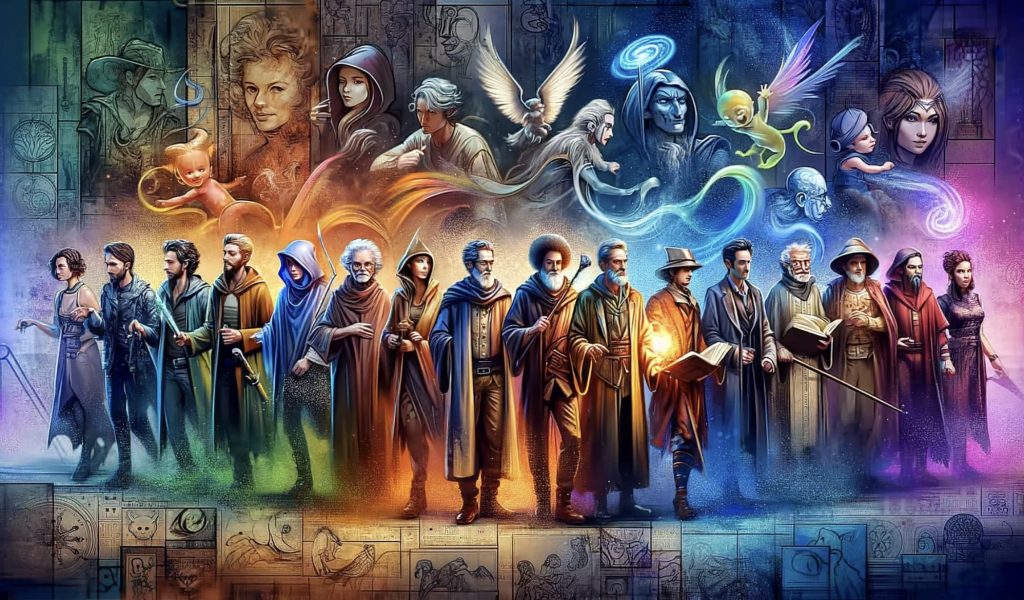
When it comes to writing protagonists in adventure narratives, the heart of the story beats with their decisions, fears, and aspirations. A well-constructed protagonist not only drives the plot forward but also serves as a mirror reflecting the values and flaws that resonate with readers. To craft such characters, consider the following key strategies:
- Create Relatable Backgrounds: Readers often relate more strongly to characters whose experiences reflect their own, or those that challenge their perspectives. For example, in “The Hunger Games,” Katniss Everdeen’s struggles against a dystopian regime resonate with themes of oppression and sacrifice, making her journey both compelling and relatable.
- Develop Strong Character Arcs: A memorable protagonist undergoes transformation throughout the narrative. This growth should be visible and meaningful, giving readers a reason to root for them. A classic instance is in “The Lord of the Rings,” where Frodo Baggins evolves from a simple hobbit to a courageous figure confronting monumental evil.
- Integrate Internal Conflict: Flaws and doubts not only make characters relatable but also intensify the journey. Take a cue from “Indiana Jones,” where the titular character grapples with personal demons while embarking on adventurous quests. This internal struggle enhances his appeal, showing that even heroes have vulnerabilities.
Understanding the Antagonist’s Role
While protagonists often garner the most attention, crafting a robust antagonist is equally vital for an engaging narrative. A formidable villain not only challenges the hero but also substantiates the themes within the story. Here are some tips for writing captivating antagonists:
- Establish Strong Motivations: A relatable antagonist often emerges from their own compelling desires. For instance, in “Harry Potter,” Voldemort’s quest for immortality and power stems from his own past traumas, making him more than just a one-dimensional villain. Understanding their motivations allows readers to see them as more than obstacles — they become integral to the protagonist’s arc.
- Provide Depth Through Backstory: Antagonists benefit from rich backstories that peel away layers of their personality. Consider the character of Magneto in “X-Men.” His experiences during the Holocaust deeply influence his worldview, allowing readers to empathize with his misguided ideology even as they oppose his methods.
- Highlight Conflicts of Ideology: Often, the best antagonists embody philosophies that directly oppose the hero’s. This clash creates tension and drives the narrative forward. For example, in “Star Wars,” the ideological conflict between Luke Skywalker’s hope for peace and Darth Vader’s embrace of power showcases a fascinating battle on multiple levels.
A well-rounded cast of protagonists and antagonists enchants readers, making the adventure not just a series of events but an emotional journey. By thoughtfully developing these characters, writers cultivate a dynamic interplay that enriches the narrative and leaves a lasting impression long after the final page is turned.
The Art of Creating Memorable Characters: Tips for Writing Protagonists and Antagonists in Adventure Narratives
In the realm of adventure narratives, the success of the story largely hinges on the depth and relatability of its characters. Let’s explore some strategies to enhance character development, focusing on both protagonists and antagonists.
| Character Motivation | Conflict Development |
|---|---|
| Understanding What Drives Your Characters | Creating Tension Through Opposition |
| Delve into their past, desires, and fears to shape their choices. This motivational background elevates their journey, making readers invest emotionally. | Highlighting differences between characters generates dynamic conflict. This is essential for driving the plot and keeping tension alive as protagonists face off against their antagonists. |
By weaving nuanced backgrounds and complex motivations into your characters, you create not just relatable individuals, but figures who resonate with readers long after the final page is turned. Indeed, protagonists often shine brightest when their pursuits are challenged, and conflicts arise, allowing for growth and transformation.
Remember, the portrayal of antagonists is equally critical. A well-rounded antagonist, akin to your protagonist, should possess clear motives that justify their actions. This blend of character motivation and conflict set the stage for memorable encounters that define adventure narratives.
Building a Supporting Cast that Enhances the Narrative
In addition to crafting compelling protagonists and antagonists, the importance of a well-developed supporting cast cannot be overstated. Secondary characters add depth to the world and enrich the protagonist’s journey, often acting as catalysts for growth or sources of conflict. Here are some strategies for creating memorable supporting characters:
- Define Clear Relationships: The connections between your characters can illuminate their traits and motivations. In “The Chronicles of Narnia,” the bond between the Pevensie siblings showcases themes of loyalty and bravery. Their interactions serve not only to advance the plot but also to reveal the individual growth of each character. Meticulously crafting these relationships can lead to profound emotional stakes that resonate with readers.
- Create Distinct Personalities: Each supporting character should have a unique voice and personality that contrasts or complements the protagonist. Think of the dynamic duo in “Sherlock Holmes” where Holmes’ brilliance can overshadow Watson’s more grounded nature. This distinctiveness enables readers to engage with the characters and add richness to the narrative. Ensure that every character, no matter how minor, has a purpose and a personality that stands apart.
- Add Layers with Subplots: Secondary characters can carry their own narratives that intertwine with the main story. A good example is the character of Samwise Gamgee in “The Lord of the Rings,” whose loyalty to Frodo introduces a subplot of friendship and sacrifice. Their shared journey deepens readers’ investment in both characters while seamlessly integrating their challenges into the central plot.
Exploring Character Flaws and Strengths
The complexity of characters is often born from their flaws and strengths. A successful adventure narrative requires protagonists and antagonists that are not purely defined by their positive qualities or evil intentions. Here are some considerations for harnessing the nuances of character:
- Balance Strengths and Weaknesses: Characters should exhibit a blend of capabilities and shortcomings that influence their decisions. In “Spider-Man,” Peter Parker’s superhuman abilities are countered by his insecurities and responsibilities, creating a relatable and multifaceted hero. This examination of vulnerabilities allows readers to connect emotionally and reflect on their own imperfections.
- Utilize Flaws for Growth: Flaws also offer fertile ground for character growth. A character initially driven by revenge can evolve towards forgiveness, changing the narrative arc. Bruce Wayne, in “The Dark Knight,” confronts both his own moral dilemmas and the consequences of his vigilantism, presenting an opportunity for growth that adds layers to his character.
- Showcase Flaws of the Antagonist: Just as protagonists benefit from flaws, antagonists should also exhibit vulnerabilities that humanize them. The Joker in “The Dark Knight” represents chaos and destruction but is also a reflection of societal failures and personal trauma. By acknowledging the flaws of your antagonists, you create multidimensional characters that engage readers and keep them invested in the conflict.
To summarize, effective character creation in adventure narratives relies on developing protagonists, antagonists, and supporting characters who resonate with readers on multiple levels. By focusing on relationships, employing flawed yet relatable traits, and exploring character arcs, writers can create unforgettable characters that thrive in the adventurous worlds they inhabit.
Conclusion: Crafting Timeless Characters in Adventure Narratives
In conclusion, the art of creating memorable characters in adventure narratives is a multifaceted endeavor that requires a delicate balance between depth, relatability, and nuance. As we have explored, protagonists and antagonists must not only drive the story forward but also reflect the complexities of human nature, thereby resonating with readers on a personal level. By incorporating character flaws and strengths, writers can bring authenticity and engage readers’ emotions, allowing them to invest fully in the characters’ journeys.
Moreover, a well-crafted supporting cast plays a pivotal role in enhancing the narrative. The interplay between characters adds layers to the adventure, fostering conflicts and relationships that enrich the overall experience. Essential techniques, such as defining clear relationships and ensuring each character bears a distinct personality, contribute to a more immersive storytelling landscape.
As aspiring writers and seasoned authors alike delve into their stories, they should remember that great characters are made through the exploration of their motivations, vulnerabilities, and growth. The legendary figures we’ve come to love from stories like “Harry Potter,” “The Lord of the Rings,” and numerous others serve as reminders of the lasting impact characteristic narratives can have on readers. By meticulously crafting unforgettable figures, you hold the key to captivating your audience and perhaps igniting a spark that will inspire their imaginations for generations to come.
Ultimately, the journey of character creation is an adventure in itself; one that can lead to endless possibilities and transformative stories. So, unleash your creativity, embrace the complexities, and create characters that will etch themselves into the hearts and minds of your readers.