The Art of Improvisation: How Spontaneity in Music Can Unlock Creativity
The Unpredictability of Sound
Music has a unique ability to transcend boundaries, evoking emotions and ideas beyond words. One of the most captivating aspects is the art of improvisation—a practice that turns the ordinary into the extraordinary. By embracing spontaneity in music, musicians unlock hidden layers of creativity, crafting fresh soundscapes that resonate deeply with both performers and their audiences.
What Makes Improvisation Special?
Improvisation allows artists to express themselves in real-time, making each performance a unique and often exhilarating experience. This element of surprise and creativity fosters a connection between the musician and the listener. The creative freedom inherent in improvisation can lead to:
- Fresh Interpretations: Artists breathe new life into familiar compositions. For instance, a jazz musician might take a standard tune, such as “Autumn Leaves,” and infuse it with their unique perspective, flipping rhythm or adding unexpected harmonies that surprise even seasoned listeners.
- Musical Exploration: Discovering new sounds and styles on the fly can lead to the creation of entirely new genres. Notably, artists like Herbie Hancock have blended elements of jazz, funk, and electronic music during live performances, producing sounds that challenge traditional categorization.
- Emotional Connection: Engaging audiences with heartfelt expression is one of the most powerful aspects of improvisation. Musicians like Bob Dylan often change lyrics or melodies on the fly, inviting listeners into a personal space that feels both intimate and spontaneous.
Whether in jazz, rock, or classical music, the impact of improvisation can ignite a spark of inspiration. Renowned musicians like Louis Armstrong and Jimi Hendrix relied on this technique to craft memorable tunes that resonate with listeners even today. In a world where predictability often reigns, tapping into the potential of the unexpected allows for profound artistic growth and deeper connections with audiences.
Exploring the Benefits
Numerous studies show that improvisation enhances cognitive flexibility and problem-solving skills. Engaging in spontaneous musical creation compels musicians to think on their feet, adapting their approach based on the dynamics of the performance. This promotes collaboration, as musicians learn to communicate and adjust harmoniously in a creative space. For example, during a jam session, players must listen intuitively to one another, creating an organic structure to the music that can shift dramatically within moments.
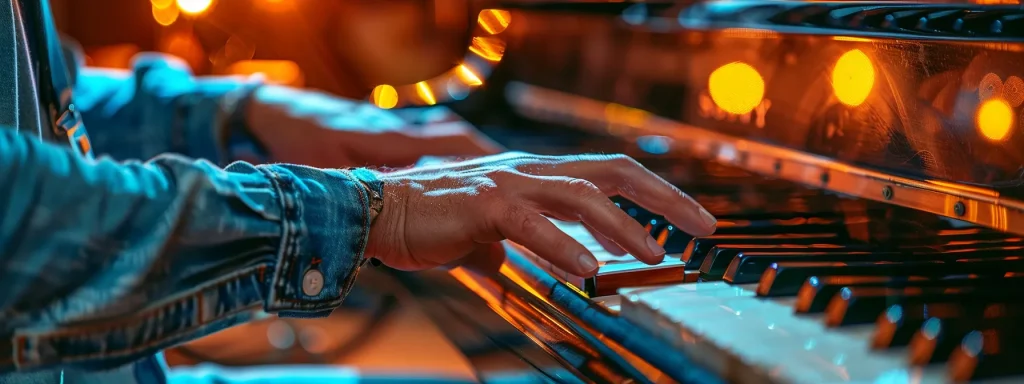
This dynamic process enriches music itself but can also be applied to various aspects of life, unlocking a world of imaginative possibilities. In classrooms, teachers who incorporate improvisational techniques encourage students to embrace creativity and adapt to new challenges. Similarly, in business, executives who welcome improvisational practices can foster an environment that values innovation and responsiveness.
In summary, the unpredictability of sound through improvisation opens up a realm where musicians, listeners, and even individuals in everyday life can engage with creativity, enhance their emotional expression, and foster collaborative teamwork. By exploring the unpredictable, we embrace not just music, but life itself in all its splendid uncertainty.
Improvisation: A Catalyst for Artistic Growth
At its core, improvisation is an intuitive process—one that transforms fleeting moments into a rich tapestry of sound and emotion. When musicians engage in this practice, they don’t merely recreate familiar tunes; instead, they tap into their innermost thoughts, feelings, and ideas, turning their performances into a dialogue between the artist and the audience. This dialogue generates a sense of unpredictability that invites the listener to experience music in an entirely new way.
Improvisation as a Learning Tool
The essence of improvisation extends beyond the stage. It serves as an educational tool that fosters a deeper understanding of music theory and composition. For many musicians, the act of improvising is a way to break free from traditional structures and experiment with rhythm, harmony, and melody. This learning process encompasses several benefits:
- Enhanced Musical Skills: As musicians improvise, they develop essential skills such as ear training and melodic variation. They learn to recognize chord progressions and experiment with different scales in real time, cultivating a readiness to adapt to evolving musical contexts.
- Boosted Confidence: The spontaneous nature of improvisation requires musicians to embrace vulnerability. Each performance may contain unexpected twists, but overcoming these challenges enhances confidence and fosters a willingness to take risks, both musically and in life.
- Creative Collaboration: Improvisation often takes place in collaborative environments—jam sessions, ensembles, or open mics—where musicians communicate effortlessly, supporting one another for a cohesive sonic experience. This collaboration promotes teamwork and underscores the role of connection in artistic processes.
The beauty of spontaneous music-making can also be seen in genres such as hip-hop, where freestyle rapping becomes a platform for personal expression and social commentary. Artists like Kendrick Lamar often utilize improvisation in their bars, providing a refreshingly candid insight into their lives and perspectives. This inherent focus on spontaneity cultivates an authentic connection between artists and their listeners, fostering a sense of community.
Translating Spontaneity Beyond Music
The principles of improvisation extend beyond the realm of music, influencing various fields. In the world of theater, improvisational acting allows performers to react and adapt to unforeseen circumstances, resulting in unique and unpredictable performances that keep audiences engaged. Likewise, organizations in business are increasingly adopting improvisational techniques to foster a creative environment. By encouraging employees to think freely and respond spontaneously to challenges, companies cultivate a culture of innovation, where new ideas can flourish.
Ultimately, the art of improvisation reveals the fundamental truth about creativity: it often arises from embracing unpredictability. By allowing space for exploration and discovery, individuals can unlock their creative potential—in music, in arts, and in life itself. The journey of improvisation is not just a performance; it’s a pathway toward personal growth and self-expression, leading to transformative experiences that resonate long after the final note is played.
| Advantages | Impact on Creativity |
|---|---|
| Enhanced Creative Flow | Improvisation encourages unrestrained expression, allowing musicians to access spontaneous ideas that might otherwise remain dormant. |
| Increased Adaptability | By embracing spontaneity, artists become more flexible in their decision-making, thus enhancing their overall problem-solving skills. |
Improvisation in music acts as a key to unlocking untapped reservoirs of creativity. As musicians learn to embrace the moment, they cultivate a mindset that prioritizes innovation and experimentation. This shift in perspective allows them to break free from the constraints of structured compositions, instead favoring a more fluid and organic approach to musical creation.Moreover, the act of improvising not only enriches the performer’s artistic expression but also fosters a unique bond between the musician and their audience. When spontaneous creativity flows freely, listeners are drawn into an experience that feels fresh and alive. Each performance becomes a unique journey, engaging audiences on multiple levels, which can lead to deeper emotional connections. In essence, the art of improvisation serves as a catalyst for personal growth within artists, enhancing not only their musical skills but also their ability to think creatively across various domains of life. By learning to trust their instincts, musicians become empowered to explore broader horizons in their artistry.
Embracing Imperfection: The Freedom of Improvisation
One of the most liberating aspects of improvisation is its acceptance of imperfection. Unlike meticulously crafted compositions, improvisational performances allow for mistakes and detours, turning potential pitfalls into moments of beauty and discovery. This imperfection is not a flaw; it is, rather, a reflection of the artist’s journey in the moment. Musicians like Thelonious Monk exemplify this notion, as their unpredictable rhythmic patterns and unorthodox melodies challenge the conventional boundaries of jazz, inviting audiences to appreciate the spontaneous spirit of creation.
The Role of Emotion in Spontaneous Creation
Another critical component of improvisation is the emotional core it often embodies. Musical spontaneity allows artists to tap into their current feelings, transforming raw emotion into sound. This connection can create powerful performances, evoking tears, joy, or even nostalgia. Consider the way a blues musician might channel heartbreak into their guitar riffs or a jazz musician might infuse the essence of joy into an upbeat tempo—a perfect example is the profound expressiveness found in the works of Billie Holiday, whose improvisational phrasing conveyed deep personal stories.
Improvisation Across Musical Cultures
The concept of improvisation is not only confined to Western music; it spans across cultures and genres, illustrating a diversity of expressions and techniques. In Indian classical music, for instance, the art of raga improvisation requires a deep understanding of scales and moods, with artists like Ravi Shankar inspiring audiences worldwide as they create spontaneous compositions during a performance. Similarly, in African music traditions, improvisation often plays a role in storytelling and communal participation. This universality underscores the inherent human quality of expression through spontaneous creation, allowing audiences everywhere to resonate with heartfelt performances, irrespective of cultural background.
The Neuroscience of Spontaneity
Exploring the depths of spontaneity further, recent studies in neuroscience have uncovered that the brain operates differently during improvisation compared to structured musical performance. Researchers have found that the act of improvising activates areas associated with creativity, emotional processing, and self-expression. When musicians let go of preconceived notions and become fully immersed in the moment, their brains enter a state of flow, characterized by heightened spontaneity and connection. This process not only enhances musical innovation but also correlates with increased mental well-being, as cultivating creativity is proven to reduce stress and elevate mood.
- Creative Problem Solving: Engaging in improvisation nurtures a mindset focused on adaptable thinking, improving one’s ability to navigate unforeseen challenges. This is a powerful skill that transcends music and can enhance personal and professional facets of life.
- Enhanced Listening Skills: Improvisation encourages musicians to become acute listeners, attuning themselves to both their own sound and the sounds of their peers. This heightened awareness promotes deeper collaborations and enriches the overall musical experience.
As musicians embrace the imperfections and emotional depths of improvisation, they not only unlock their own creative potential but also invite the audience to embark on this spontaneous journey with them. With every note unscripted, it becomes clear that the art of improvisation is an exploration of not just sound, but of the very essence of what it means to be human.
Conclusion: The Transformative Power of Improvisation
The art of improvisation serves as a remarkable journey into the depths of human creativity, unveiling pathways to self-expression that structured compositions often cannot reach. By embracing spontaneity, musicians not only create unique soundscapes but also cultivate a rich emotional tapestry that resonates with audiences on profound levels. The acceptance of imperfection catalyzes artistic exploration, allowing both performers and listeners to connect with the raw essence of music in ways that are deeply personal and meaningful.
Furthermore, the universality of improvisation across diverse musical cultures enriches our understanding of creativity as a shared human experience. From the raga improvisations of Indian classical music to the spirited exchanges in a jazz ensemble, spontaneity fosters a communal connection that transcends geographical and cultural boundaries. As detailed in recent neuroscience studies, the act of improvising not only enhances musical creativity but also contributes to mental well-being, highlighting the powerful interplay between music, emotion, and cognitive function.
Whether it’s a seasoned musician stepping into the unknown or a novice exploring their own musical voice, the practice of improvisation invites us all to step outside of our comfort zones. By embracing uncertainty and the unexpected, we can unleash our innate creativity, fostering a culture that values innovation and adaptability. The world of music remains infinitely richer for those brave enough to explore its improvisational depths, and in doing so, we rediscover the profound joy and freedom that art can offer.