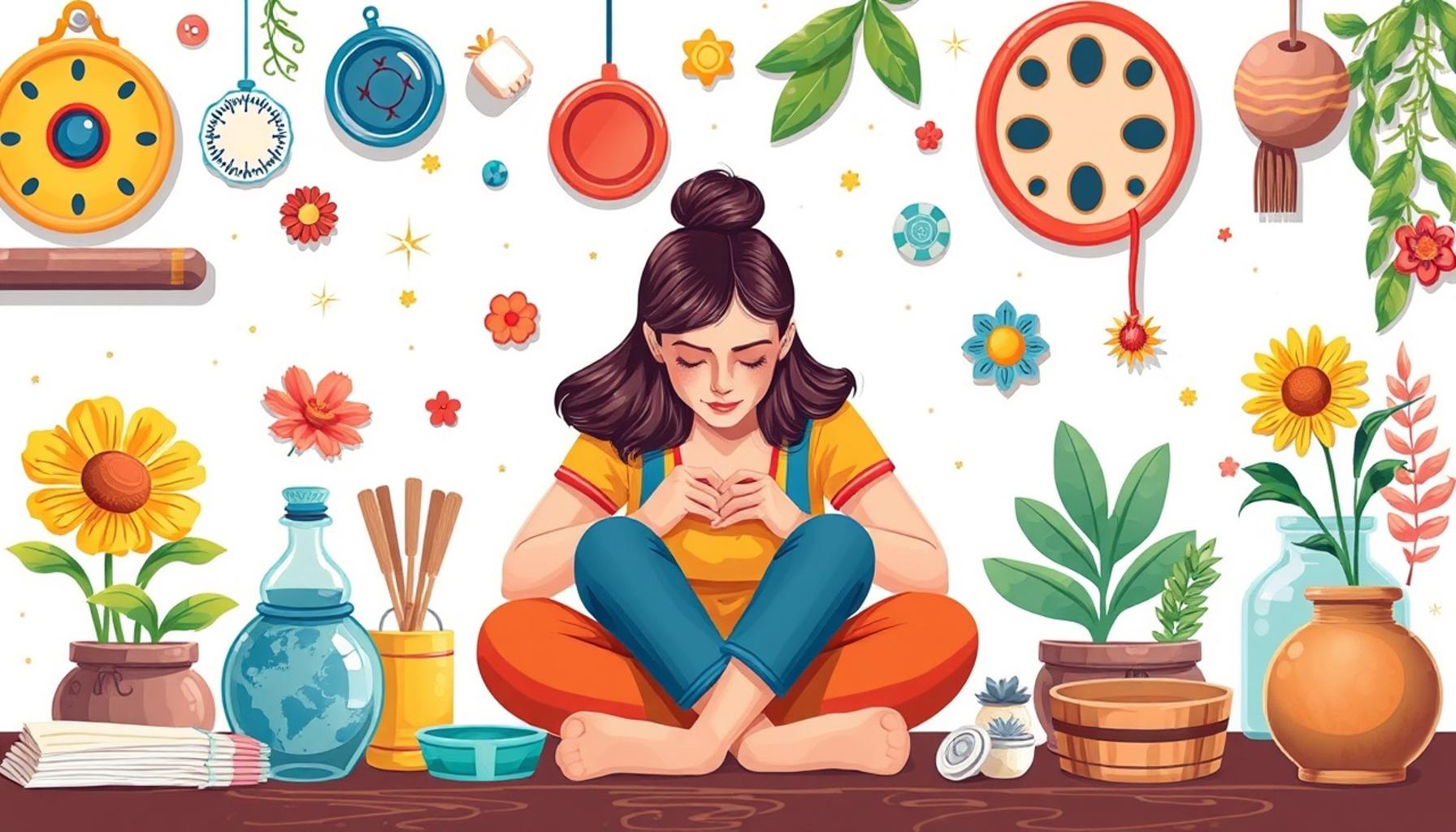
The Connection between Crafts and Mental Health: Therapeutic Benefits of Making
Understanding the Therapeutic Benefits of Crafting
Crafting is not merely an enjoyable pastime; it is an empowering approach to cultivating mental wellness. Scientific inquiries have consistently demonstrated that engaging in creative endeavors can yield considerable enhancements in psychological health. Whether through the rhythmic motions of knitting, the vibrant strokes of painting, or the intricate finesse of woodworking, the mental health benefits are both profound and diverse.
Stress Reduction through Creativity
A primary advantage of crafting lies in its ability to reduce stress. The act of creating allows individuals to switch gears mentally, fostering a state akin to meditation. Research indicates that activities like crochet or painting can lower cortisol levels, the hormonal marker of stress. By concentrating on the tactile sensations and the project at hand, individuals often find a safe haven from daily anxieties and pressures.
Boosting Self-Esteem
Furthermore, the sense of accomplishment gained from completing a craft project can significantly boost self-esteem. After spending hours, or even days, on a project, the fulfillment of seeing a tangible result can invigorate an individual’s confidence. For example, successfully completing a complex knitting pattern or a personalized scrapbook can enhance one’s perception of their capabilities, reinforcing a sense of personal value.
The Mindfulness of Crafting
Crafting activities also embody principles of mindfulness. Being engrossed in the creative process encourages a focus that can redirect attention from negative thoughts and worries. When working on a pottery wheel or painting a landscape, every brush stroke and molded shape demands concentration, pulling individuals into the present moment and away from stressors. This practice aligns closely with therapeutic strategies used in mindfulness-based stress reduction.
Building Community through Creativity
In addition to personal benefits, crafting fosters a sense of community which contributes to mental resilience. Promoting social interaction, crafting classes—such as pottery workshops or sewing bees—bring together individuals with common interests, facilitating connections and relationships that can be critical sources of support. Moreover, group crafting events not only make the activity more enjoyable but can also spark exchanges of ideas and inspiration among participants.
Encouraging Expression and Cognitive Enhancement
Furthermore, crafting serves as a valuable medium for personal expression. Articulating emotions through creative practices can be especially beneficial for those who find verbal communication challenging. For instance, a beautifully crafted piece can often encapsulate feelings and experiences more effectively than words alone. Additionally, learning new crafting skills stimulates the brain, enhancing cognitive abilities and fostering greater creative thinking—two essential components of mental agility.
As discourse surrounding mental health continues to evolve, it becomes increasingly clear that the therapeutic benefits of crafting warrant serious attention. By delving into the ways crafting can be interwoven into our daily self-care practices, individuals may discover valuable insights and practices that positively influence their mental well-being. The possibilities for crafting not only stimulate creativity but also build resilience, foster community ties, and contribute to a comprehensive approach to mental health that deserves recognition and encouragement.
The Therapeutic Landscape of Crafting
As society increasingly recognizes the mental health implications of everyday activities, crafting emerges as an underappreciated yet powerful tool for fostering emotional stability and wellness. The intertwining of creative pursuits with mental health is often subtle, yet its impacts can be significant. To truly grasp the depth of this connection, it’s essential to explore various dimensions of the therapeutic benefits that crafting offers.
Creativity as a Form of Therapy
Engaging in crafts such as scrapbooking, pottery, or painting serves not only as a means of self-expression but also as a form of therapy that can help individuals process their emotions. According to a study conducted by the American Journal of Public Health, creative activities can facilitate emotional release, offering a safe outlet for feelings such as anger, sadness, or anxiety. This therapeutic release can be particularly beneficial for those dealing with trauma or life transitions, as crafting allows them to externalize their internal struggles in a constructive manner.
The Science Behind Crafting and Mental Health
Numerous studies highlight the cognitive benefits of crafting activities. For instance, research published in the Journal of Occupational Science reveals that engaging in crafts stimulates brain function by activating areas associated with fine motor skills and problem-solving. The repetitive nature of certain crafts, like knitting or weaving, can promote neuroplasticity, the brain’s ability to adapt and rewire itself. This not only bolsters cognitive abilities but also enhances overall mental flexibility.
Crafting and Emotional Well-being
Furthermore, the process of crafting can lead to enhanced emotional well-being through the achievement of flow state—a psychological phenomenon where individuals become fully immersed in an activity. This experience can lead to reduced feelings of loneliness and increased overall satisfaction with life. Some key emotional benefits associated with crafting include:
- Increased Joy: Immersive crafting can elicit positive emotions, flooding the brain with dopamine, the feel-good neurotransmitter.
- Enhanced Coping Skills: The structured nature of many crafts provides individuals with a sense of control and accomplishment, which can aid in developing better coping strategies for real-life challenges.
- Emotional Resilience: Crafting encourages the exploration of feelings, fostering resilience as individuals learn to navigate their emotional landscape through creative expression.
These emotional benefits are not only immediate; they can have long-lasting effects on individuals’ mental health. By integrating crafting into their routine, individuals may cultivate a healthier mindset that prioritizes well-being.
Exploring Different Crafting Modalities
The world of crafts is vast, presenting countless opportunities for individuals to find their niche and develop their interests. Diverse options such as sewing, woodworking, jewelry-making, and even digital arts all provide unique outlets for creativity and self-expression. Each craft encourages a different skill set, stimulating various aspects of cognitive functioning and emotional processing. Engaging in new crafting techniques can also enhance an individual’s sense of novelty and enjoyment, further amplifying the psychological benefits.
In conclusion, as we delve deeper into the connection between crafts and mental health, it becomes increasingly clear that making things with our hands can lead to profound shifts in emotional and psychological wellness. The multifaceted advantages offered by crafting underscore its potential to enrich our lives, making it an invaluable practice for those seeking to nurture their mental health.
| Advantages | Benefits |
|---|---|
| Stress Relief | Engaging in crafts allows individuals to focus on the task at hand, providing a mental escape from daily stressors. |
| Enhanced Mindfulness | Crafting encourages a state of mindfulness, fostering improved concentration and awareness of the present moment. |
| Social Connection | Group crafting activities can strengthen social bonds, combating feelings of isolation and loneliness. |
| Boosted Self-Esteem | Completing craft projects provides a sense of accomplishment, improving self-confidence and personal satisfaction. |
Crafting serves as a powerful tool in enhancing mental health by tapping into creativity, establishing a sense of community, and promoting personal growth. Through the act of making, individuals not only discover joy and relaxation but also forge meaningful connections with others who share similar interests. By focusing on the therapeutic benefits of crafts, we can uncover how they significantly contribute to mental wellbeing, making them an essential practice in our modern lives. Engaging in crafts is more than just a hobby; it’s an opportunity to reconnect with ourselves, nurture our mental health, and promote emotional resilience. As we explore this profound connection, we encourage readers to embrace crafting as a path to better mental health, inviting them to delve deeper into this fascinating interplay between creativity and wellbeing.
Cultivating Community Through Craft
While individual benefits of crafting are profound, the communal aspect of crafting deserves recognition as a critical component of mental health enhancement. Crafting often transcends solitary hobby and transforms into a medium for social connection. Whether it’s through sewing circles, pottery classes, or community art projects, group crafting fosters camaraderie and creates bonds between participants. These shared experiences can lead to meaningful relationships, combatting feelings of isolation and loneliness that can plague mental health.
The Power of Shared Creativity
Engaging in crafts within a community can amplify motivation and inspiration. Workshops and group classes provide opportunities to learn from others, experiment with new techniques, and share personal stories related to craft. A report from the National Institute of Mental Health suggests that social interactions, particularly in creative settings, have substantial positive effects on mental well-being, including reducing rates of anxiety and depression. This communal aspect can be especially beneficial for those seeking to connect during challenging times or for individuals moving to new areas without established support systems.
Crafting as a Tool for Mindfulness
Another critical dimension of crafting that ties into mental health is its potential to foster mindfulness. The process of creating engages individuals in the present moment, allowing them to escape worries and stressors. Mindfulness, a practice rooted in ancient meditation techniques, has been shown to have profound benefits for mental health, including reducing symptoms of post-traumatic stress disorder (PTSD) and improving emotional regulation. Many crafts, such as gardening or painting, necessitate focused concentration, drawing attention away from negative thoughts and external distractions.
According to a study conducted by the University of Massachusetts, participants who engaged in crafts reported a decrease in anxiety levels during and after the activity. Such practices encourage a sort of meditative state, enabling individuals to reflect on their thoughts and feelings while creating tangible, satisfying results.
Accessibility of Crafts for Mental Health
What makes crafting particularly appealing as a therapeutic outlet is its accessibility. Many crafting activities do not require substantial financial resources or specialized training, allowing a broad spectrum of individuals to participate. Simple crafts such as drawing, collage-making, or even baking can be done with minimal materials and at home. Programs designed to promote crafting as a therapeutic tool are popping up across the United States; libraries, community centers, and mental health organizations are increasingly offering free or low-cost crafting workshops that target different age groups, creating inclusive environments.
- Art Therapy Programs: Professional art therapy sessions incorporate various crafts to help individuals explore their feelings and improve psychological well-being.
- Pop-up Craft Events: Many cities host events that encourage individuals to gather in a creative space for collaborative projects.
- Craft Responsive Initiatives: Some schools and organizations organize craft days in response to local crises, promoting unity and healing through art.
Such inclusive approaches not only foster a sense of belonging but further highlight the therapeutic benefits inherent in making. The collective act of crafting can affirm individual stories, validate emotions, and pave the way for healing across communal lines.
Conclusion: Unleashing the Healing Power of Crafts
In summary, the connection between crafts and mental health is not merely coincidental; it is backed by substantial evidence highlighting the therapeutic benefits of making. From fostering mindfulness to creating a sense of community, engaging in crafts has been shown to significantly enhance mental well-being. By encouraging individuals to immerse themselves in creative activities, crafting provides a natural remedy for stress, anxiety, and feelings of isolation.
Moreover, the accessibility of crafting makes it a compelling option for diverse audiences. With minimal resources required and numerous opportunities available in local communities through workshops and events, anyone can tap into the healing properties of creative expression. As more professionals recognize the advantages of incorporating crafts into mental health programs, we can expect a growing emphasis on these therapeutic practices.
As you explore the world of crafting, consider not only its potential for personal growth but also its capacity to strengthen bonds within your community. Whether you’re drawing, knitting, or engaging in group art sessions, remember that the simple act of making can resonate at a profound level, often resulting in a ripple effect of positivity. By integrating creativity into daily life, we not only nurture our own mental health but also contribute to a culture that values connection, healing, and shared joy.
So, pick up a paintbrush, grab some yarn, or gather around a crafting table. Embrace the limitless possibilities that come from engaging in crafts, and discover how simple acts of creation can transform not only your mental health but also the lives of those around you.