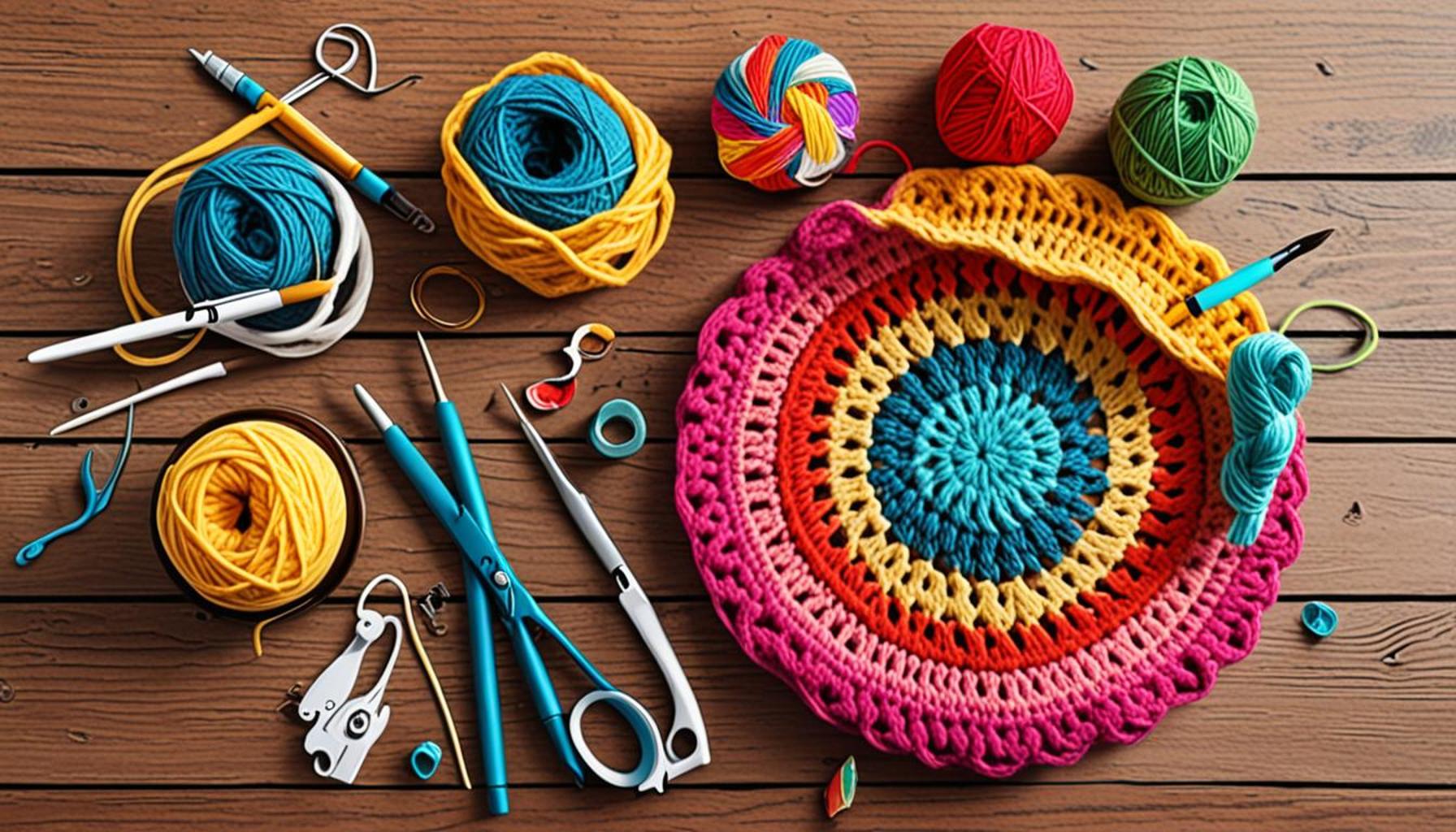
The evolution of manual skills: how craftsmanship became a form of personal expression
Exploring the Evolution of Craftsmanship
The journey of craftsmanship over the centuries has not only been a testament to human ingenuity but also a reflection of our changing societal values. Initially rooted in the achievement of survival, manual skills have evolved from the creation of basic tools for everyday needs to the crafting of intricate masterpieces that tell stories of cultural identity and personal expression. In today’s context, craftsmanship has transcended traditional roles, redefining what it means to create.
Historical Shifts
One of the most significant influences in the world of craftsmanship was the Industrial Revolution. This period marked a monumental shift from handcrafted goods to mass-produced items, favoring efficiency and uniformity. While factories churned out products at an unprecedented rate, many artisans found their traditional skills overshadowed and undervalued. A poignant example is the decline of expert blacksmiths as mass manufacturing made it cheaper and easier for people to buy tools and hardware rather than have them custom made.
Revival Movements
In recent years, however, there has been a palpable resurgence of interest in handmade goods. This revival is often attributed to a growing desire for authenticity and sustainability. As consumers increasingly prioritize unique items that resonate with their individual stories, many have turned back to artisanal products as a way to rebel against the homogenization of goods. Events such as the Maker Faires celebrated across the United States showcase this enthusiasm for DIY culture, attracting thousands who wish to learn about handmade crafts. Makers of all kinds – from leatherworkers to ceramists – gather to demonstrate their skills and sell their creations.
Artisan Culture
Today, artisans are blending traditional techniques with modern aesthetics in remarkable ways. This fusion allows for unique personal styles that resonate with contemporary audiences while honoring past practices. For instance, in places like the Hudson Valley in New York, you can find woodworkers crafting furniture that maintains the craftsmanship of colonial times, but with a streamlined, minimalist approach that reflects modern sensibilities. This ability to adapt to changing tastes while remaining true to one’s craft is a hallmark of today’s artisan culture.
Throughout the United States, various crafts such as woodworking, pottery, and textile arts are not merely about functionality but rather serve as profound expressions of identity and community. They empower individuals to transcend conventional boundaries, resulting in creations that are not just objects but also testimonies of inspiration, creativity, and heritage. Each crafted piece carries the artisan’s mark – a reflection of their experiences, values, and emotions.

As we delve deeper into the realms of craftsmanship, we uncover a narrative rich in personal identities, cultural heritage, and creative expression. This journey into the world of artisans not only celebrates the skills behind the creations but also highlights the connections forged through shared stories and experiences. Craftsmanship transforms ordinary materials into extraordinary expressions of individuality, reinforcing the notion that behind every masterpiece lies a human story waiting to be discovered.
DISCOVER MORE: Click here to find relaxation techniques
The Renaissance of Handcrafted Artistry
As we traverse the timeline of manual skills, it becomes evident that the appreciation for craftsmanship has ebbed and flowed along with cultural and societal transformations. The revival of interest in handcrafted artistry highlights an emerging desire for personal expression over mass production. This shift is particularly noticeable in urban centers where creative communities thrive, and artisans are increasingly becoming not only makers but also storytellers.
Changing Tides in Craftsmanship
The rise of technology and digitalization in recent decades has paradoxically contributed to the resurgence of traditional craftsmanship. As society has become more saturated with interchangeable goods, many individuals have found solace in the uniqueness of handmade items. This evolution represents a conscious choice, particularly among younger generations that value the handcrafted experience over the sterile perfection of factory-made products. As noted by sociologists, this shift illustrates a broader sociocultural statement where the artisan’s touch validates the importance of individuality in consumer culture.
Key Factors Influencing Modern Craftsmanship
The evolution of manual skills into a form of personal expression is underscored by several pivotal factors:
- Technological Access: Advances in technology have democratized the crafting process, allowing artisans to utilize tools and techniques that were once reserved for professionals. Online platforms enable artisans to share their work, gather inspiration, and reach global audiences.
- Environmental Awareness: Today’s consumers are becoming increasingly conscious of sustainability. This has led many to gravitate towards handmade items produced through eco-friendly practices, making craftsmanship not just an aesthetic choice but a responsible one.
- Community Building: Craftsmanship fosters a sense of community among artisans and consumers alike. Local craft fairs, workshops, and collaborative spaces create opportunities for learning and sharing that reinforce ties within neighborhoods.
- Personal Connection: Each handcrafted piece carries an emotional weight tied to its maker. Consumers connect more deeply with products that reflect the artisan’s journey, thereby elevating objects from mere tools to personal testaments of creativity.
This dynamic interplay of factors has caused a renaissance in craftsmanship, where artisans embrace their unique narratives and merge them with contemporary aesthetics to create not just functional objects, but pieces of art infused with meaning. As each artisan develops their own style, they embody their values, experiences, and cultural stories, enriching the broader dialogue about what it means to create.
As we further explore this intriguing world of craftsmanship, we recognize that it serves as both a reflection of our identities and a means of creative liberation. The evolution of manual skills symbolizes a return to valuing individual expression, inviting all of us to consider the significance behind the things we cherish. In a world often dominated by automation, the meticulous handiwork of artisans reminds us of the beauty that lies in the personal touch.
As the landscape of craftsmanship evolved, so did its role in society, transitioning from mere utility to a profound medium of personal expression. Artisans and craftspeople began to embrace their individuality, pouring their creativity into each piece they create. This shift can be largely attributed to the rise of the *DIY* culture, which encourages individuals to cultivate their inherent skills and transform them into unique creations that reflect their personalities and stories. Moreover, social media platforms have played a pivotal role in reshaping how craftsmanship is viewed and appreciated. Artists can showcase their work globally, gaining recognition and building communities around shared interests. The hashtag phenomenon, often accompanied by stunning visuals of handcrafted items, has opened doors for creators to tell their stories while attracting consumers who prioritize authenticity over mass-produced goods.The current renaissance of handmade goods not only highlights the technical prowess of artisans but also symbolizes a broader societal trend towards valuing sustainable and ethical practices. Consumers are increasingly drawn towards craftsmanship that emphasizes sustainability, with materials sourced responsibly and techniques that uphold traditional values. This awareness fosters a deeper connection to the products, encouraging buyers to invest in pieces made with passion, thought, and care.As individuals explore their manual skills, whether through pottery, woodworking, or textile arts, they embark on journeys of self-discovery. The tactile nature of crafting offers a meditative escape from the digital world, allowing artisans to slow down and connect with the process. This powerful combination of creativity, mindfulness, and personal expression has led to a resurgence of interest in craftsmanship as an art form, enriching not only the creators but also the communities that celebrate their work.Revisiting heritage techniques and innovating upon them has become a hallmark of contemporary craftsmanship. Artisans find new ways to incorporate modern technology into traditional practices, exemplifying a harmonious blend of the old and the new. This evolution not only honors the past but also paves the way for future generations to engage with and contribute to the craft, ensuring that the legacy of manual skills is passed down through time. This constant dialogue between tradition and innovation continues to fuel the evolution of craftsmanship, transforming it into a dynamic platform for personal expression. In this ever-changing landscape, the journey of manual skills has become more significant than merely producing items. It encompasses a vision where skills are celebrated as a vital form of identity, fostering community and providing an avenue for self-expression in an increasingly automated world. As craftsmanship continues to evolve, it stands as a testament to the enduring human spirit and our innate desire to create.
DISCOVER MORE: Click here to learn about the benefits of artistic pursuits
The Intersection of Tradition and Innovation
As the landscape of craftsmanship evolves, it is essential to recognize how traditional techniques are being seamlessly blended with modern innovations. This fusion not only enhances the appeal of handcrafted goods but also creates an environment where personal expression is celebrated through cross-disciplinary craftsmanship. Artisans are no longer confined to a single medium; instead, they are merging skills from various crafts, giving rise to hybrid forms of artistry that reflect their individual narratives.
The Role of Educational Initiatives
The surge in interest surrounding craftsmanship has prompted educational institutions to respond proactively. Schools and vocational programs across the United States are increasingly incorporating hands-on workshops, seminars, and apprenticeships that empower students to explore manual skills. This educational embrace helps cultivate the next generation of artisans, ensuring that traditional craftsmanship is not only preserved but continuously reinvented. For instance, programs such as the American Craft Council and community colleges offer courses in woodworking, pottery, textiles, and metalworking, paving the way for students to find their voice in the world of craftsmanship.
Social Media: A Tool for Expression
In today’s digital age, social media platforms have transformed the way artisans showcase their craft. Platforms like Instagram and Pinterest serve as visual galleries, allowing creators to share their manual skills with an audience that would have been impossible to reach in the past. Artisans can engage with followers, share behind-the-scenes processes, and reveal the stories behind their creations. This real-time feedback cultivates a dialogue that not only enhances the artisan’s practice but also fosters a vibrant community of support and inspiration. The hashtag #handmade has become a rallying cry for countless creators, encapsulating the feelings of empowerment and connection that accompany handmade artistry.
The Influence of Popular Culture
Moreover, popular culture has played a key role in elevating craftsmanship to a respected form of personal expression. A surge in DIY culture showcased through television shows, online tutorials, and lifestyle blogs encourages individuals to explore their creativity through handcrafted projects. These mediums celebrate not just the finished products, but also the journey of discovery that comes with developing manual skills. For example, shows like Making It, featuring well-known creatives, have popularized the merits of craftsmanship, inviting viewers to appreciate the skills involved in crafting as an art form.
This newfound recognition has helped cultivate a culture where artisanal goods are seen as luxury items rather than simple artifacts. Events such as the Craft + Design Show in Richmond, Virginia, and the Renegade Craft Fair in cities like Chicago and Brooklyn highlight the growing market for handmade items. These gatherings allow artisans to connect with customers and fellow creatives, further solidifying craftsmanship as a vital aspect of personal expression.
While the global economy increasingly leans toward the automated and the mass-produced, the ongoing evolution of manual skills offers a counter-narrative. Craftsmanship stands at the vibrant intersection of history and modernity, where tradition meets innovation in personal expression. Each handcrafted piece tells a unique story, reminding us that in the realm of consumerism, value can still derive from the labor of love and creativity infused into every crafted object.
DISCOVER MORE: Click here to learn how theater and dance can enhance well-being
Conclusion: Celebrating the Art of Craftsmanship
In a world increasingly dominated by automation and mass production, the evolution of manual skills has emerged as a beacon of personal expression and creativity. From the harmonious blend of traditional techniques with modern innovations to the educational initiatives nurturing the next generation of artisans, it is evident that craftsmanship is flourishing. This resurgence not only celebrates the skill and dedication of creators but also champions the stories behind each meticulously crafted piece.
The role of social media in redefining craftsmanship cannot be overstated. By providing a platform for artisans to share their journeys and connect with a worldwide audience, it fosters a spirit of collaboration and inspiration. As consumers increasingly gravitate toward unique handmade items, the perception of craftsmanship has evolved—transforming from mere manual labor to a respected art form that resonates with authenticity and individuality.
Moreover, the continuous influence of popular culture bolsters this movement, driving interest in DIY projects and handmade goods. Events like the Craft + Design Show underscore an ever-growing appreciation for artisanal craftsmanship, showcasing how these goods encapsulate more than mere functionality—they embody passion, history, and a connection to the creator’s identity.
As we witness this landscape shift, it is crucial to embrace and support the artisans who enrich our lives with their handiwork. The future of craftsmanship stands not just as a revival of the past but as an ongoing dialogue between heritage and innovation, a celebration of personal expression through manual skills that invites everyone to engage in the artistry of creation.