The Evolution of the Performing Arts: From Tradition to Modernity
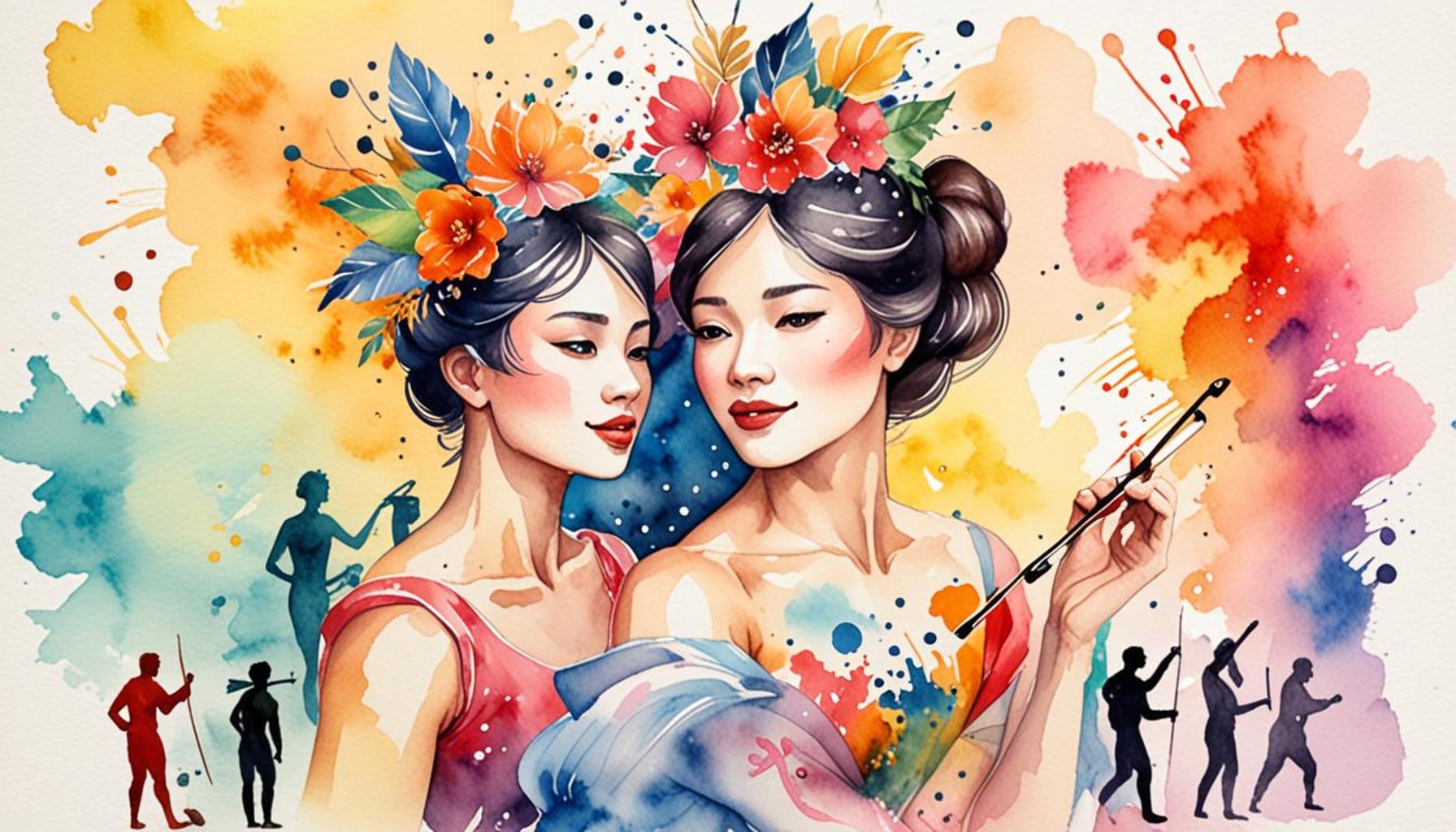
The Evolution of the Performing Arts
The journey of the performing arts is a compelling narrative that reflects the spirit of human creativity and societal transformation. From the rudimentary storytelling of ancient tribes to the sophisticated spectacles of contemporary theater, the history of these art forms reveals much about cultural identity, social issues, and technological advancements over centuries.
Key Developments in the Historical Context
Beginning with traditional theater, its roots can be traced to the performances of ancient Greece, where theater emerged as a communal experience exploring themes of tragedy, fate, and morality. Notable playwrights such as Aeschylus, Sophocles, and Euripides laid the groundwork for dramatic arts. Concurrently, Asian performances, like those found in Chinese opera and Indian Kathakali, infused their cultures’ philosophies and mythology into theatrical narratives, presenting a diverse spectrum of expression.
Equally significant in the performing arts arena are dance forms, which have evolved into various styles around the globe. Ballet, with its exquisite technique and expressive storytelling, first blossomed in the courts of the Italian Renaissance, later flourishing in France and Russia. Conversely, folk dances emerged as a means for communities to share their traditions and celebrate cultural identities, while contemporary dance, influenced by urban environments and avant-garde movements, continuously challenges conventional boundaries. These dance forms not only serve as artistic outlets but also reflect societal norms and changes over time.
Music evolution showcases another critical aspect of performing arts. Spanning from the refined compositions of classical musicians like Mozart and Beethoven to the innovative beats of modern genres such as jazz, rock, and hip-hop, music remains an ever-evolving medium. Hip-hop, for instance, originated in the streets of New York City in the 1970s as a voice of the marginalized, giving rise to a cultural movement that resonates with millions today.
Blurring the Boundaries in Modern Performance
As globalization and technology intertwine more closely, the lines separating different forms of performing arts increasingly blur. Artists are not just limited to traditional presentations; they are now creating multimedia installations that challenge audiences’ perceptions. These installations can merge visual imagery, sound, and interactive components, creating a fully immersive experience. Such innovations redefine conventions and encourage viewers to engage in new ways.
Digital platforms have revolutionized how audiences access performing arts. With the rise of streaming services, live productions can reach a global audience, making theater and music more accessible than ever before. Notable examples include the Broadway musical “Hamilton,” which gained immense popularity through streaming on Disney+, bringing theater to homes across the nation.
Moreover, interactive experiences are becoming increasingly common, inviting audiences to participate directly in performances. Events like the “Sleep No More” in New York City allow spectators to explore the performance space freely, creating a unique, personalized experience that blurs the line between performer and audience member.
Looking Forward
The evolution of the performing arts opens a dialogue concerning the future of artistic expression. Questions arise as we consider how emerging technologies, such as virtual reality and artificial intelligence, will further influence performance art. Will new mediums create entirely different forms of art, or will they serve as tools to enrich traditional practices? What remains certain is that the landscape of performing arts will continue to adapt, evolve, and inspire. As we investigate this dynamic realm, it is essential to reflect on how past influences enrich our current experiences while also igniting curiosity about what lies ahead for future generations.
DISCOVER MORE: Click here to dive deeper
Historical Milestones in Performing Arts
The journey of the performing arts unfolds through significant milestones that have shaped its evolution from ancient traditions to contemporary expressions. Each era brought forth distinctive styles and forms that not only entertained but also conveyed profound societal messages and cultural values. Understanding these key developments provides insight into how the performing arts have transformed over time.
Traditional Theater: The Foundation of Performance
Traditional theater serves as the cornerstone of performance art, emerging in civilizations across the globe. In ancient Greece, theater was not merely a form of entertainment; it was a celebration of community, morality, and philosophical inquiry. The works of playwrights such as Aeschylus and Sophocles explored the human condition, and their tragedies remain a fundamental part of Western literary heritage. Similarly, in the East, traditions like Chinese opera and Indian Kathakali exhibit vibrant storytelling through elaborate costumes, music, and dance, encapsulating cultural narratives that date back millennia. These foundational elements continue to influence modern theater, demonstrating a rich lineage of artistic expression.
The Evolution of Dance: A Cultural Reflection
Alongside theater, dance forms have played a pivotal role in the performing arts landscape. Originating in both sacred and social rituals, dance offers a tapestry of cultural expression. Ballet, characterized by its grace and precision, emerged from the courts of Italy and later developed into grand productions in France and Russia, shaping the expectations of theatrical movement. On the other hand, folk dances reflect community heritage, often used in celebrations and festivities, serving as a link to the past.
As societies progressed, so too did the language of dance. Contemporary dance arose as artists began to challenge traditional techniques, incorporating elements from various genres—including hip-hop and jazz—to create innovative, boundary-pushing performances. This evolution highlights how dance adapts to cultural shifts and engages with current issues, making it a relevant artistic platform.
Changing Soundscapes: The Musical Journey
Music has been a dynamic element of the performing arts, reflecting shifts in societal norms and technologies. From the intricate compositions of classical composers like Beethoven to the raw energy of rock and contemporary genres, music has evolved in tandem with human experience. Genres such as jazz originated as a form of rebellion and expression during the Harlem Renaissance, encapsulating the struggles and aspirations of marginalized communities within the fabric of American culture.
- Theater: Origins in ancient Greece and Asia.
- Dance: Evolution from classical ballet to contemporary movement.
- Music: Transition from classical to popular genres, reflecting diversity.
This rich cacophony of sound and rhythm points to an ever-changing landscape of creativity, where the past informs the present and paves the way for future innovations. Each of these art forms continues to shape and reshape the identities of communities, providing a platform for dialogue, reflection, and inspiration.
The evolution of the performing arts has been a remarkable journey, showcasing the dynamic interplay between tradition and modernity. As we delve deeper into this transformation, we witness how cultural influences, technological advancements, and shifting societal norms have reshaped artistic expressions.One of the key aspects of this evolution is the fusion of traditional forms with contemporary elements. For instance, traditional theater, which is deeply rooted in specific cultural narratives, has embraced modern storytelling techniques, allowing for a richer narrative experience. This blend not only honors the past but also makes the art forms more accessible to contemporary audiences, often leading to innovative productions that resonate with the current social climate.Additionally, the impact of technology cannot be overstated. The integration of multimedia in performing arts has revolutionized the way stories are told. Dance and theater productions now often incorporate visual effects, enhancing the audience’s experience and engagement. This evolution also includes the rise of digital performance platforms, allowing artists to reach global audiences instantaneously, thus redefining the concept of locality in performance art.Furthermore, the democratization of performance spaces has opened the door to diverse voices and backgrounds, showcasing talents that were once marginalized. With the advent of social media, artists can share their work beyond traditional venues, receiving feedback directly from their audience. This shift encourages a more participatory culture where audience members become part of the creative process.The exploration of identity has also become a significant focal point in the evolution of performing arts. Artists are now more likely to interrogate their personal narratives, highlighting issues such as race, gender, and sexuality through their work. This self-examination fosters connections with audiences, inviting discussions that can lead to social change.Overall, the evolution of performing arts between tradition and modernity reflects a vibrant tapestry of cultural dialogue. Artists and performers are not merely custodians of history but active contributors to an ongoing narrative that continues to evolve. By examining these changes, we gain insight into not just the art itself, but also the societies that shape and are shaped by these artistic expressions.
| Category | Advantages |
|---|---|
| Cultural Fusion | Bridges the gap between traditional narratives and contemporary themes, enriching the audience’s experience. |
| Technological Integration | Enhances performances through multimedia, increasing engagement and accessibility to a wider audience. |
| Democratization of Art | Opens opportunities for diverse voices, fostering inclusivity and representation in performing arts. |
| Exploration of Identity | Encourages artists to reflect on personal narratives, facilitating dialogues on societal issues. |
DISCOVER MORE: Click here to learn how theater can transform lives
Innovations in Performing Arts: The Modern Revolution
As the world has entered the 21st century, the performing arts have witnessed an unprecedented transformation driven by technology, globalization, and a shift in audience expectations. The evolution from tradition to modernity encapsulates not only a change in style but also a profound rethinking of the role of artists and their relationship with society. Artistic movements have emerged that embrace innovation while acknowledging their historical roots, blending old forms with contemporary sensibilities.
Multimedia and Technology: Redefining Performance
In this digital age, technology has dramatically altered the landscape of performing arts. Artists now incorporate multimedia elements into their work, allowing for an immersive experience that transcends traditional boundaries. For instance, renowned theater companies like the National Theatre in London have embraced live-streaming platforms, enabling audiences worldwide to engage with performances from the comfort of their homes. This shift not only broadens accessibility but also invites a new generation of viewers who may not have had the opportunity to attend live performances.
Similarly, performance art has gained traction, where the body becomes the medium of expression. Artists such as Marina Abramović challenge the spectator’s relationship with the performer, blurring the line between observer and participant. The incorporation of digital projections, soundscapes, and even virtual reality has opened up avenues for creative expression that were previously unimaginable, offering endless possibilities for storytelling.
Diversity and Inclusion: A Broader Spectrum of Voices
The contemporary performing arts landscape reflects an increasingly diverse range of voices and perspectives, highlighting the importance of representation. For instance, the success of productions like Hamilton has emphasized the need for stories that resonate with multicultural narratives, breaking conventions in character casting and historical depiction. By amplifying underrepresented stories, artists can challenge dominant cultural narratives and forge connections with audiences who see themselves reflected on stage.
Moreover, genres such as hip-hop theater have emerged, blending rap and spoken word with traditional acting to cater to younger, urban audiences. This genre not only showcases the art of storytelling but also poses significant commentary on social issues, such as systemic racism and economic disparity, making it a powerful tool for activism. As these narratives gain prominence, they uplift voices previously marginalized within the performing arts.
The Resurgence of Live Performance: Human Connection in Isolation
Despite the rise of digital platforms, the value of live performance has only intensified in recent years, particularly in light of the global pandemic that forced artists to adapt their craft. After a period of isolation, audiences crave the electricity of live interactions, placing a renewed emphasis on the emotional connection that theater, dance, and music can create. This phenomenon has led to innovative approaches in presenting performances that honor social distancing while fostering communal experiences, such as in drive-in theaters or outdoor performances.
- Technology: Integration of digital media in performances.
- Diversity: Amplifying marginalized voices and narratives.
- Live Performance: Renewed appreciation and innovative formats post-pandemic.
This dynamic interplay between innovation, representation, and the cherished art of live performance illustrates how the performing arts continue to evolve. As artists embrace new technologies and reflect the complexities of our society, they not only enrich the cultural landscape but also influence the very fabric of our communal experiences.
DISCOVER MORE: Click here to learn about the benefits of artistic pursuits
Conclusion: A Journey Forward in the Performing Arts
The journey of the performing arts, from deep-rooted traditions to vibrant modern expressions, paints a captivating picture of cultural evolution. As we have explored, the convergence of technology, diversity, and the enduring significance of live performance illustrates how these art forms have not only adapted but have also thrived in contemporary society. The infusion of multimedia elements has transformed performances into immersive experiences, bridging the gap between the artist and the audience while democratizing access to the arts.
Moreover, the increasing emphasis on inclusion has allowed a broader spectrum of voices to resonate on stage, compelling narratives that challenge societal norms and invite critical discourse. The success of productions that celebrate multicultural narratives signals a shift towards a more reflective and representative performing arts landscape. Genres such as hip-hop theater exemplify this evolution, using artistry as a vehicle for social commentary and activism.
In this era marked by rapid transformation, the resurgence of live performance emphasizes our innate human need for connection and shared experience. It is clear that amid technological advancements and changing audience expectations, the performing arts will continue to thrive, innovating and reinventing themselves while honoring their rich history. As we move forward, the dialogue between tradition and modernity will likely shape the future of the performing arts, ensuring that they remain a vital and dynamic component of our cultural heritage.
As enthusiasts and advocates of the performing arts, it is crucial to remain engaged and supportive, encouraging further exploration and appreciation of these evolving art forms. In this way, we not only celebrate our past but also pave the way for the future, ensuring that the arts continue to inspire, challenge, and connect us all.