The Impact of Artistic Pursuits on Intergenerational Relationships and Communication
The Influence of Creativity Across Generations
Artistic pursuits have a remarkable ability to bridge gaps between generations, fostering meaningful communication and connection. Whether through shared experiences, collaborative projects, or joint creative endeavors, engaging in artistic activities can significantly enhance understanding among family members of varying ages. This exploration of intergenerational relationships highlights how art serves as a catalyst for connections that might otherwise remain unformed, enriching the family dynamic.
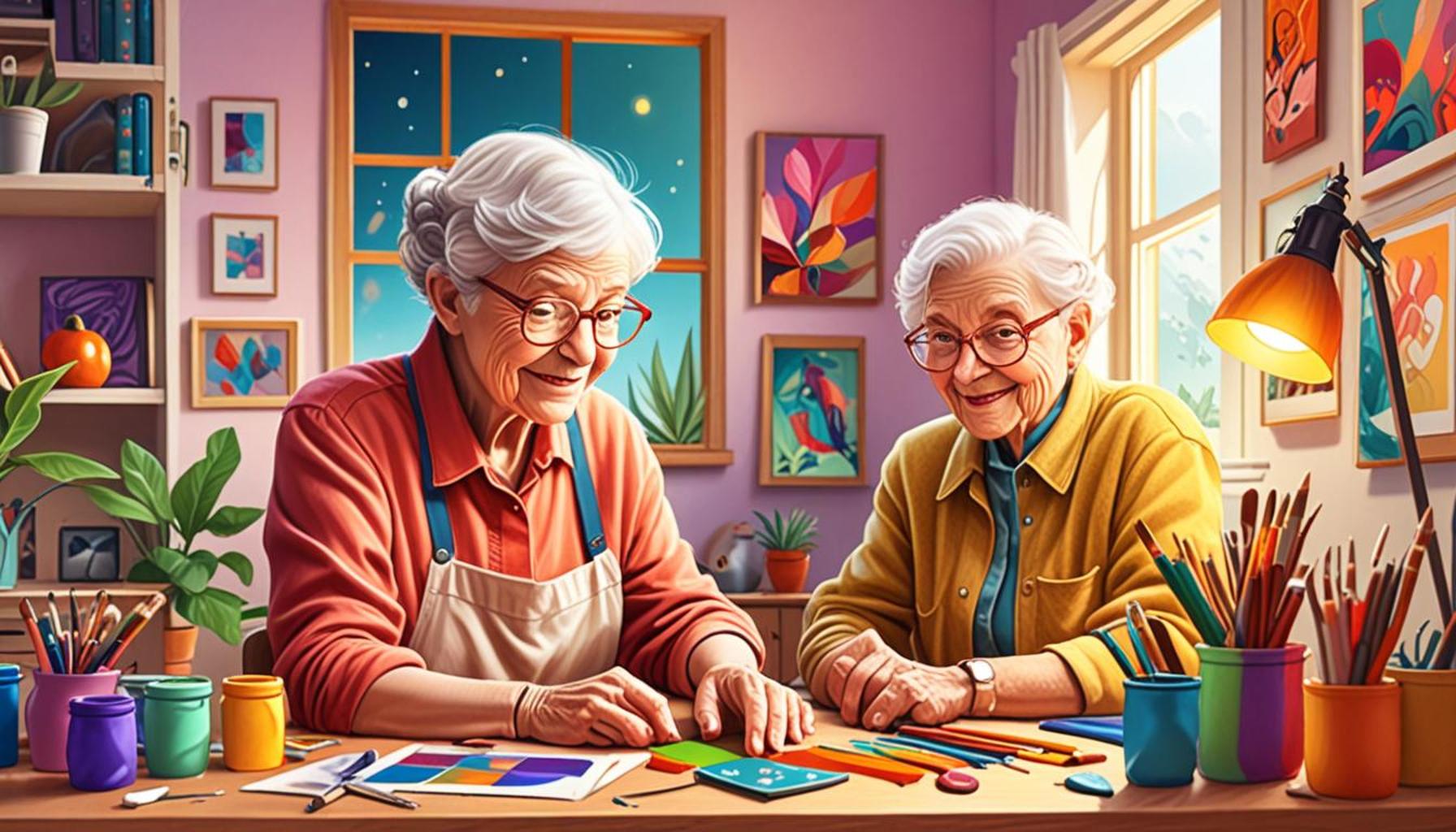
- Shared Experiences: Activities such as painting, music, or dance not only provide entertainment but also create communal experiences that allow family members to bond. For instance, a grandmother and granddaughter might find joy in a shared painting session, where they learn each other’s favorite colors and styles. These moments cultivate memories that transcend age, allowing for conversation starters and deeper interactions.
- Enhanced Communication: Artistic expression offers an alternative language that can help individuals articulate feelings that may be difficult to convey verbally. A child who struggles to share their worries may find solace in drawing, creating a visual narrative that invites discussion. Similarly, a grandparent’s storytelling through photography can reveal emotions tied to family history, facilitating dialogue about shared values and experiences.
- Cultural Continuity: Art plays a vital role in preserving family traditions and heritage. Creative activities often encourage storytelling, where older generations pass down tales that embody family legacies. For example, a family could engage in crafting traditional holiday decorations together, enabling the elderly to share the origins of these customs and instilling a sense of identity in younger members.
The impact of these creative endeavors extends far beyond simple interaction; they can profoundly influence emotional well-being and resilience. Participating in joint artistic projects can cultivate patience and understanding, fostering stronger relationships that may face challenges in daily life. As families create together, they learn to appreciate different perspectives, leading to greater empathy and cooperation.
Understanding how art shapes family dynamics opens up further investigation into the depths of human connection. Engaging in creative projects not only nurtures relationships but also cultivates a sense of belonging and collective pride. Programs like community art workshops or family craft nights encourage this type of bonding, illustrating that art’s value in bridging generations extends into community development.
As we delve deeper into this enriching subject, the true value of art in bridging generations becomes increasingly clear. By embracing creativity as a shared experience, families can unlock the transformative power of artistic expression to enhance connections, emotional health, and cultural legacy within their communities.
DIVE DEEPER: Click here to unlock your creative potential
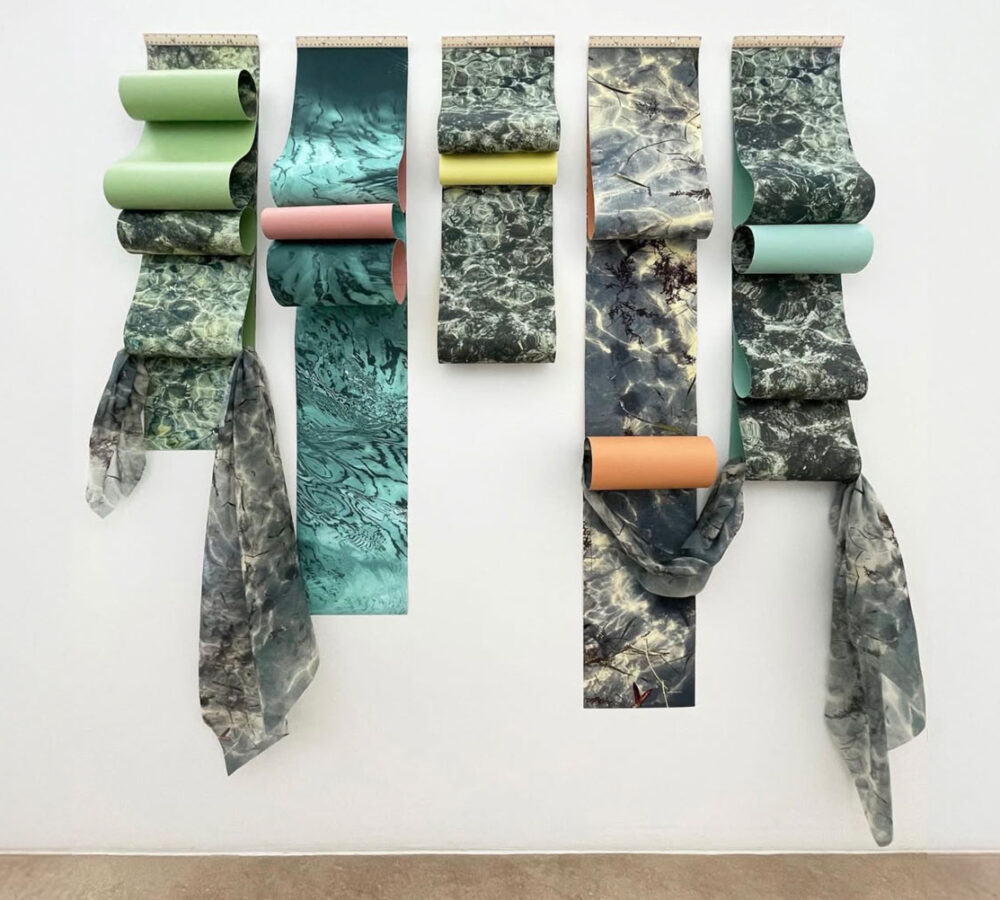
Art as a Universal Language
Artistic pursuits serve as a universal language, one that transcends the barriers of age, linguistic differences, and cultural divides. This instinctual tendency to create and communicate through art resonates deeply within families, where relationships can sometimes become strained by generational misunderstandings. By engaging in creative activities, family members are provided an avenue to express complex emotions and share personal stories in a way that traditional dialogue may not always facilitate.
Consider the various forms of artistic expression that can cultivate intergenerational bonds:
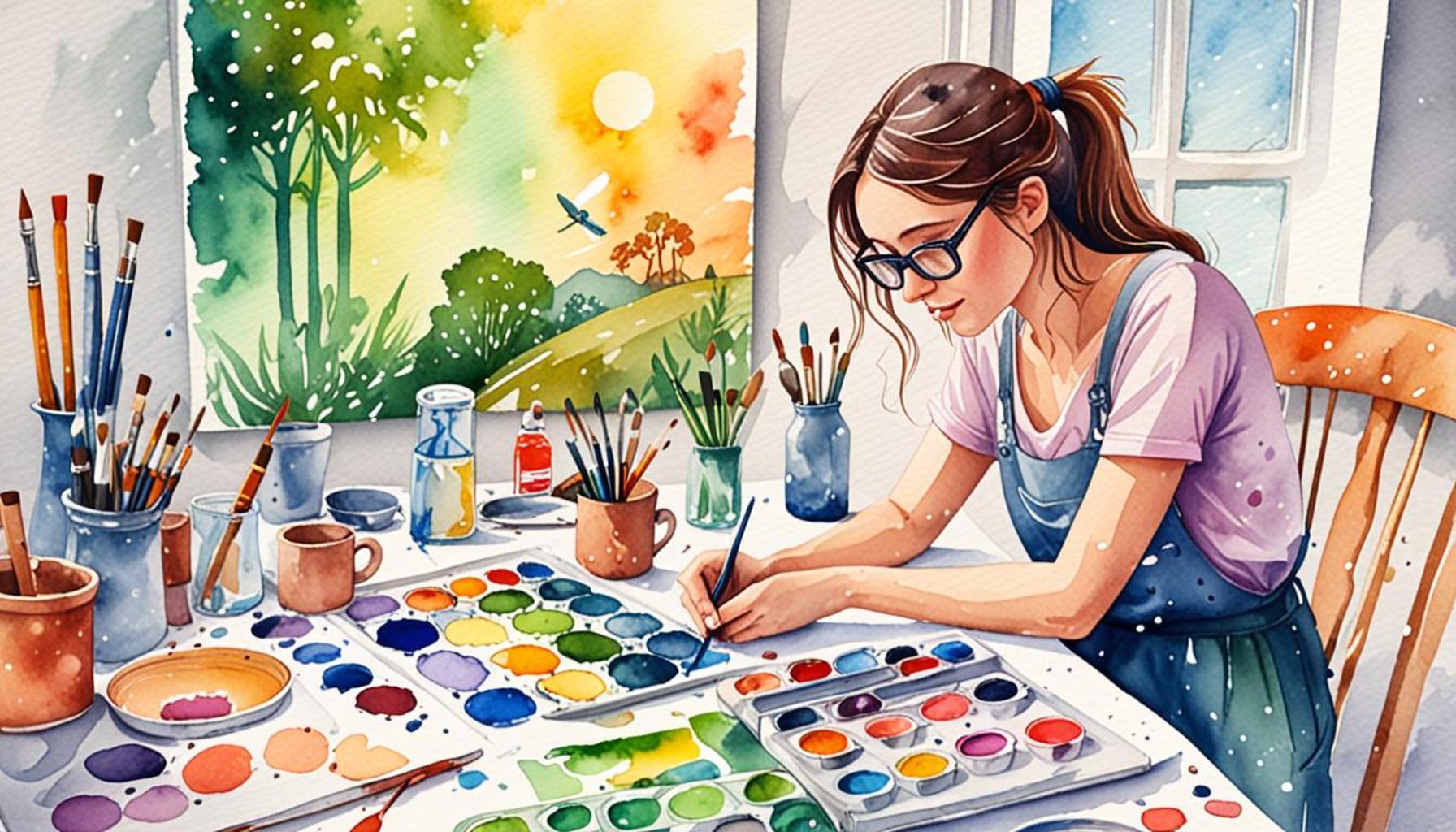
- Visual Arts: Painting, drawing, and crafts not only create tangible artifacts but also spark discussions about personal experiences and feelings. For instance, a simple activity such as painting a family portrait can lead to narratives about childhood adventures or cherished memories, allowing younger and older generations to connect on a more personal level.
- Performing Arts: Dance and theater can break down barriers by inviting direct participation. In family settings, a spontaneous dance party or a mini skit allows for laughter and shared joy, fostering a lively atmosphere that encourages open communication and reduces the weight of inhibitions.
- Música: Music holds unique power in evoking emotions. Creating playlists of favorite songs from different eras can open up vibrant conversations about cultural identities and life lessons. Participating in family karaoke can also break the ice, encouraging feelings of unity and enjoyment, regardless of differing musical tastes.
- Creative Writing: Writing stories or poems together can prompt critical conversations about themes such as love, adventure, and loss. A family storytelling night not only preserves family narratives but also uplifts the shared experiences that define each generation.
The act of creating art is inherently collaborative, often requiring patience, listening, and cooperation. These qualities are essential in building stronger relationships, as they foster an environment of respect where individuals learn to appreciate differing viewpoints. One study published in the Journal of Intergenerational Relationships has shown that family members who engage in artistic projects together report higher levels of emotional closeness and communication quality.
Moreover, art provides significant benefits for emotional health. Engaging in creative tasks together cultivates resilience and boosts self-esteem among all age groups. A grandparent’s comfort in expressing themselves artistically can inspire younger family members to explore their own facets of creativity, driving a cycle of mutual encouragement. Such collaborative engagement not only augments the familial bond but can also equip individuals with skills that serve them well beyond the walls of their families.
As our exploration continues, it becomes evident that artistic pursuits hold transformative potential in intergenerational communication. This phenomenon not only assists individuals in understanding their own emotions but also those of their loved ones, proving that creativity is a vital element in nurturing family dynamics.
The Role of Art in Bridging Generational Gaps
Artistic pursuits serve as a powerful medium to foster communication and understanding between different generations. Creative activities like painting, music, and storytelling not only allow individuals to express themselves but also encourage shared experiences that can build bonds. These artistic engagements often become therapeutic, facilitating dialogue that might be challenging through traditional forms of communication.
Enhanced Understanding and Empathy
Participating in art-related activities together can enhance empathy and understanding among family members. For instance, a grandparent might recall their youth while sharing a painting technique, leading to poignant conversations about life lessons and values. Such moments allow both younger and older generations to gain insights into each other’s perspectives, fostering a more profound mutual respect and appreciation.
Creative Learning Environments
Moreover, artistic pursuits create a creative learning atmosphere where all participants feel valued and engaged. Whether through collaborative art projects or learning new musical instruments together, these activities enhance cognitive skills and emotional intelligence. This collaborative creativity strengthens intergenerational ties as it blurs the lines of age, emphasizing shared interests rather than differences.
| Advantages | Description |
|---|---|
| Improved Communication | Art provides a platform for expressing emotions, leading to enriching conversations. |
| Strengthened Bonds | Engaging in art together fosters collaboration and mutual appreciation. |
Art as a Storytelling Tool
Another significant aspect of artistic pursuits is their potential as a storytelling tool. Through visual arts, music, and theater, family stories and histories come alive, allowing younger generations to connect with their roots. Participating in such activities promotes a sense of belonging and continuity, vital for intergenerational cohesion. Children can learn about their heritage and family traditions in an engaging and interactive manner, deepening their appreciation for their ancestry.
The impact of these artistic endeavors on family dynamics can’t be underestimated. By promoting creativity, understanding, and emotional connection, art plays a crucial role in fostering intergenerational relationships that thrive on communication and shared experiences.
DISCOVER MORE: Click here to delve into the importance of improvisation in music
Fostering Empathy Through Artistic Collaboration
The act of engaging in artistic pursuits not only entertains but also plays a crucial role in fostering empathy within intergenerational relationships. When family members participate in creative endeavors together, they often find themselves stepping into one another’s shoes, cultivating a deeper understanding of each other’s perspectives. This is particularly important in today’s fast-paced world, where communication can sometimes feel superficial and fleeting.
Creative collaboration offers a unique platform for individuals to exhibit vulnerability, which is essential in building empathy. For example, when a grandparent shares a personal story through a handmade scrapbook or while illustrating a memory in a drawing session, younger family members witness firsthand the value of personal history. Experiencing these shared narratives emotionally enriches communication, allowing younger generations to grasp the life experiences and emotions of their elders.
This transfer of stories through art transcends simple reminiscences. It rekindles connections to a personal and cultural past, enabling younger family members to view their parent or grandparent not merely as authority figures but as real people, shaped by their unique experiences. A study published in the Journal of Family Communication found that families who engaged in creative projects together reported a marked increase in feelings of empathy. Participants articulated a richer understanding of their family members’ challenges and triumphs, resulting in stronger emotional ties and open dialogues.
Furthermore, artistic pursuits can enhance communication skills across generations. Participating in group activities such as writing a family play or conducting a creative workshop invites dialogue and encourages the sharing of thoughts and suggestions in a collaborative manner. As younger individuals listen to their older counterparts’ ideas, they learn to express their viewpoints effectively and respectfully. This exchange promotes a generous atmosphere in which family members can freely contribute, reinforcing the values of teamwork and cooperative engagement.
The ripple effect of fostering empathy through artistic collaboration can be profound. When families become more attuned to each other’s emotional landscapes, it cultivates a climate of mutual respect and understanding. Younger generations, in particular, benefit from witnessing the creative self-expression of their elders, which encourages them to embrace their uniqueness and engage authentically.
Additionally, engaging in art can ease the communication barriers that sometimes arise due to generational differences. Surveys conducted by organizations such as the AARP found that arts-based programs significantly improve communication skills among family members of different ages. Participants indicated that they felt more comfortable discussing personal issues and family dynamics after partaking in creative activities together. This newfound comfort leads to improved relationships built on trust and emotional awareness, underscoring the importance of continued artistic engagement within familial structures.
As the bond between family members deepens through these shared artistic experiences, it becomes clear that art is not just a pathway to creativity; it is a transformative tool that fosters understanding, empathy, and open communication. The benefits extend beyond immediate feelings of connection, leaving lasting impacts on individuals and the families they belong to.
DISCOVER MORE: Click here to uncover the significance of manual skills
Conclusion: A Canvas of Connection
In conclusion, the influence of artistic pursuits on intergenerational relationships and communication is profound and multifaceted. As we have explored, engaging in creative activities together creates not just a backdrop for shared experiences, but a dynamic platform for emotional growth and understanding. Through art, family members across different ages can uncover the rich tapestry of each other’s lives, thus fostering deeper connections built on empathy.
Moreover, this artistic collaboration transcends mere entertainment; it nurtures essential communication skills that benefit all participants. By engaging in storytelling, music, or crafting, families create a sense of belonging and trust that encourages dialogue about personal experiences and family histories. The value of these interactions is evidenced by research showing increased empathy and stronger bonds among families who participate in art-based activities together.
As modern life continues to accelerate, maintaining robust intergenerational relationships has never been more essential. The challenge lies in effectively bridging the generational divide, and artistic pursuits serve as an invaluable tool in this effort. In a society where technology often separates us, the act of creating together becomes a powerful antidote—reminding us that communication is not just about words, but also about shared feelings, experiences, and creativity.
As families explore new artistic avenues, let them embrace this opportunity to enrich their narratives. Encouraging open exploration of artistic expression not only results in memorable experiences but also strengthens intergenerational ties that foster resilience and unity for years to come. Ultimately, the impact of art on family relationships goes beyond the art itself; it lays the groundwork for a legacy of love, understanding, and connection that can be passed down through generations.