The Impact of Artistic Pursuits on Mental Health and Well-Being
The Transformative Power of Art in Mental Health
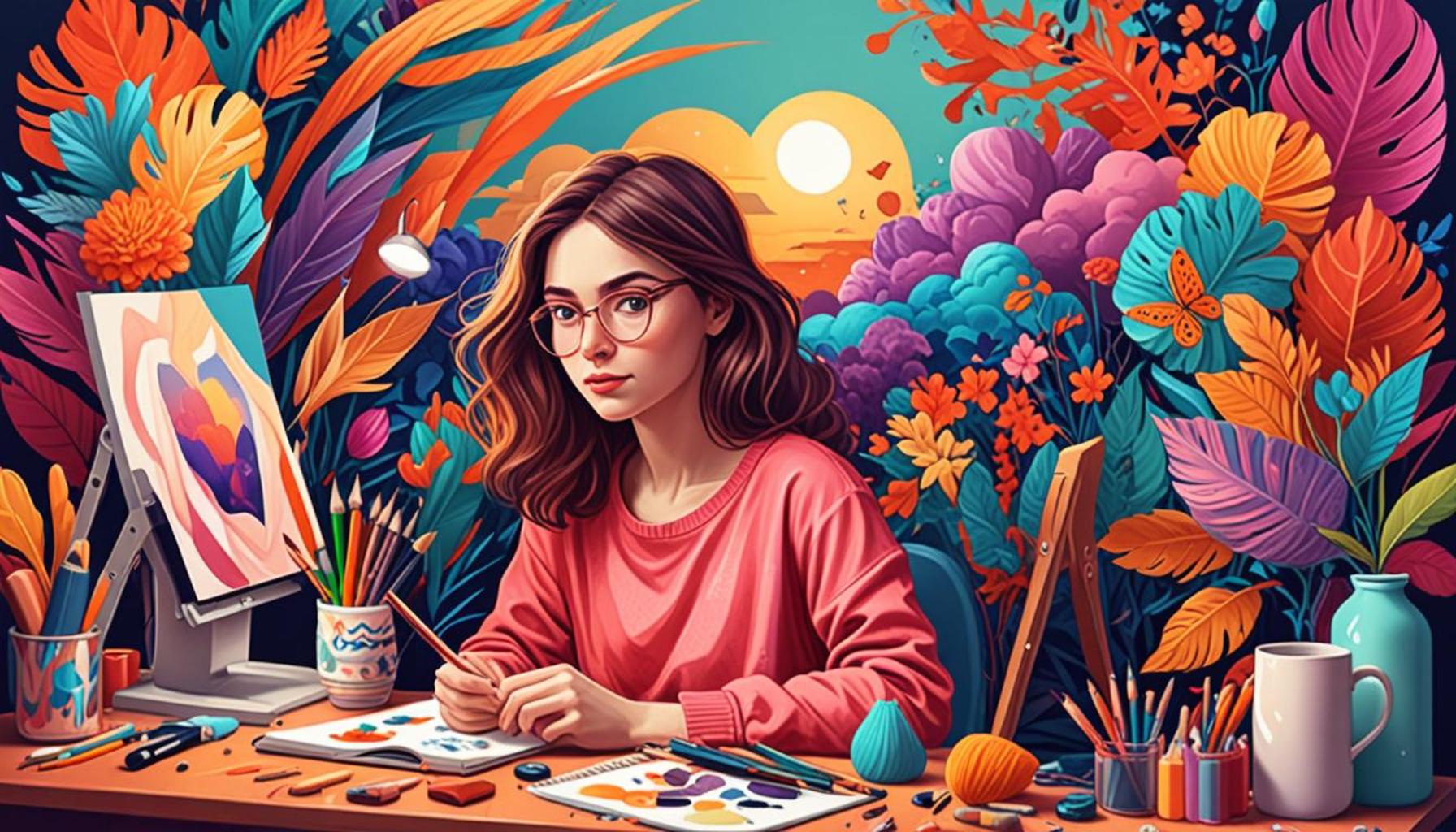
Artistic pursuits, ranging from painting and sculpture to dance and music, significantly transcend mere expression; they weave rich connections to mental health and overall well-being. Engaging in creative activities is not just a leisurely pastime; it offers profound emotional benefits that can lead to substantial transformations in people’s lives.
- Reduction in Stress: Activities like painting, drawing, or even crafting can serve as effective stress relievers. By immersing oneself in creativity, individuals often find a safe harbor from daily pressures. A study conducted by the American Journal of Public Health showed that participants who engaged in visual arts reported a dramatic decline in stress levels and improved coping mechanisms.
- Enhanced Mood: Creating art has been directly linked to the release of dopamine, the “feel-good” neurotransmitter, which contributes to increased happiness levels. When individuals participate in artistic activities, they can experience a euphoric release that uplifts their overall mood, akin to the satisfaction one might feel after a vigorous workout.
- Improved Self-Expression: Artistic mediums provide unique channels to express complex emotions. For many, addressing feelings of sadness or joy through art can facilitate a healthier emotional outlet, fostering a sense of clarity and understanding about personal experiences.
Research backs the idea that involvement in art therapy can lead to significant improvements in mental well-being. Those who use art to navigate their feelings frequently report:
- Lower Anxiety: Creative expression often leads to decreased feelings of anxiety and can provide a renewed sense of control. For instance, veterans suffering from PTSD have found solace through art therapy, using painting and sculpting to process their experiences.
- Boosted Confidence: Completing a piece of art can instill a robust sense of achievement and self-worth. Many individuals find that artistic endeavors allow them to celebrate their creativity, bolstering their confidence in other areas of life.
- Strengthened Social Connections: Collaborative art projects, such as community murals or group exhibitions, encourage social interaction among participants. Such engagements reduce feelings of isolation, demonstrating how communal creativity can forge vital social bonds.
In the United States, initiatives that integrate art therapy into mental health treatment programs are gaining momentum. Organizations like the American Art Therapy Association advocate for inclusion of creative therapies in mental health practices, reflecting a growing recognition of the therapeutic benefits of art. As ongoing research unveils the significance of creativity in fostering psychological resilience, exploring the intersections of art and mental health remains a fertile ground for further investigation. This promising landscape not only opens doors to healing but also invites everyone to consider the ways in which art can enhance the fabric of their daily lives.
DISCOVER MORE: Click here to dive deeper
The Multifaceted Benefits of Engaging in Artistic Activities
Artistic pursuits are often celebrated for their aesthetic appeals, but their profound impact on mental health and well-being is equally deserving of attention. Whether through visual arts, music, or performance, engaging in creative activities promotes a holistic approach to mental wellness. As individuals explore various art forms, they can tap into a myriad of benefits that enhance both mental and emotional health.
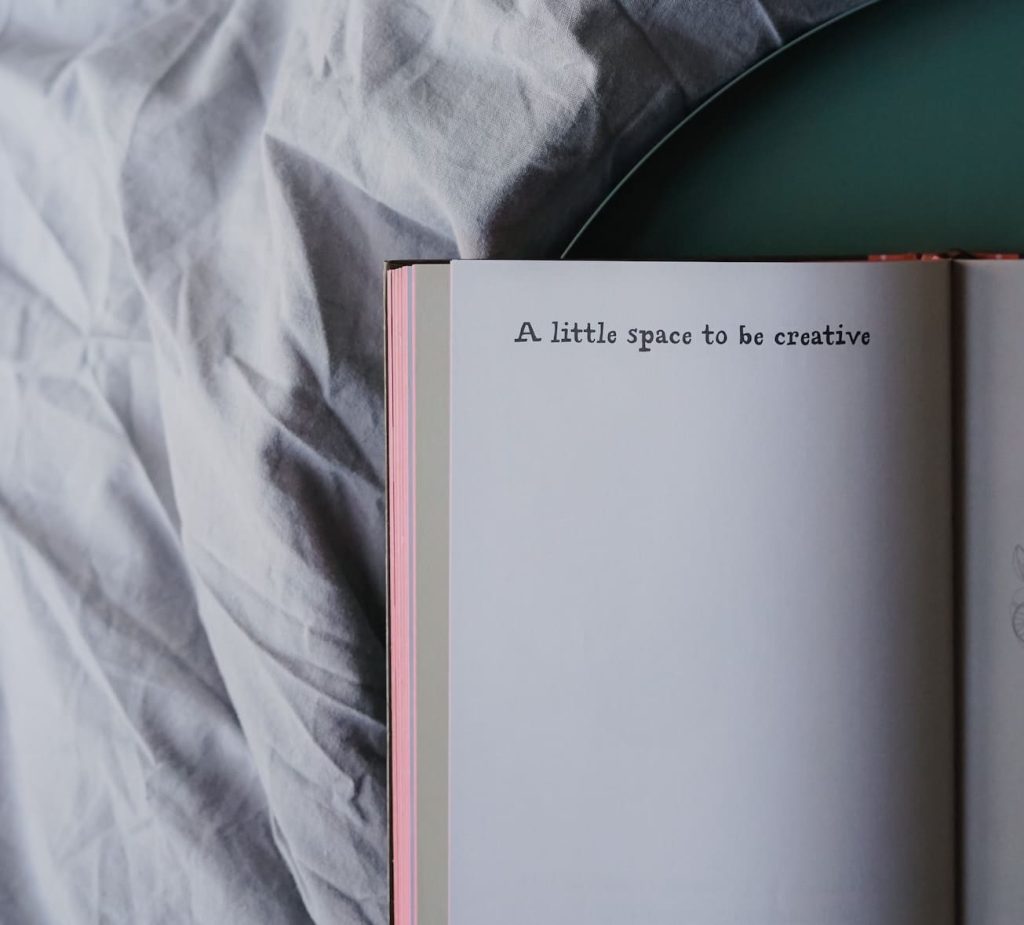
One of the cornerstone advantages of artistic engagement is its ability to facilitate emotional release. Many individuals find themselves at a loss for words when grappling with difficult feelings. Art provides an avenue to express these emotions non-verbally, allowing individuals to convey their inner turmoil or joy through colors, shapes, and sounds. This transformation of feelings into a tangible form not only helps in processing complex emotions but also leads to a deeper understanding of oneself.
Art as a Tool for Stress Management
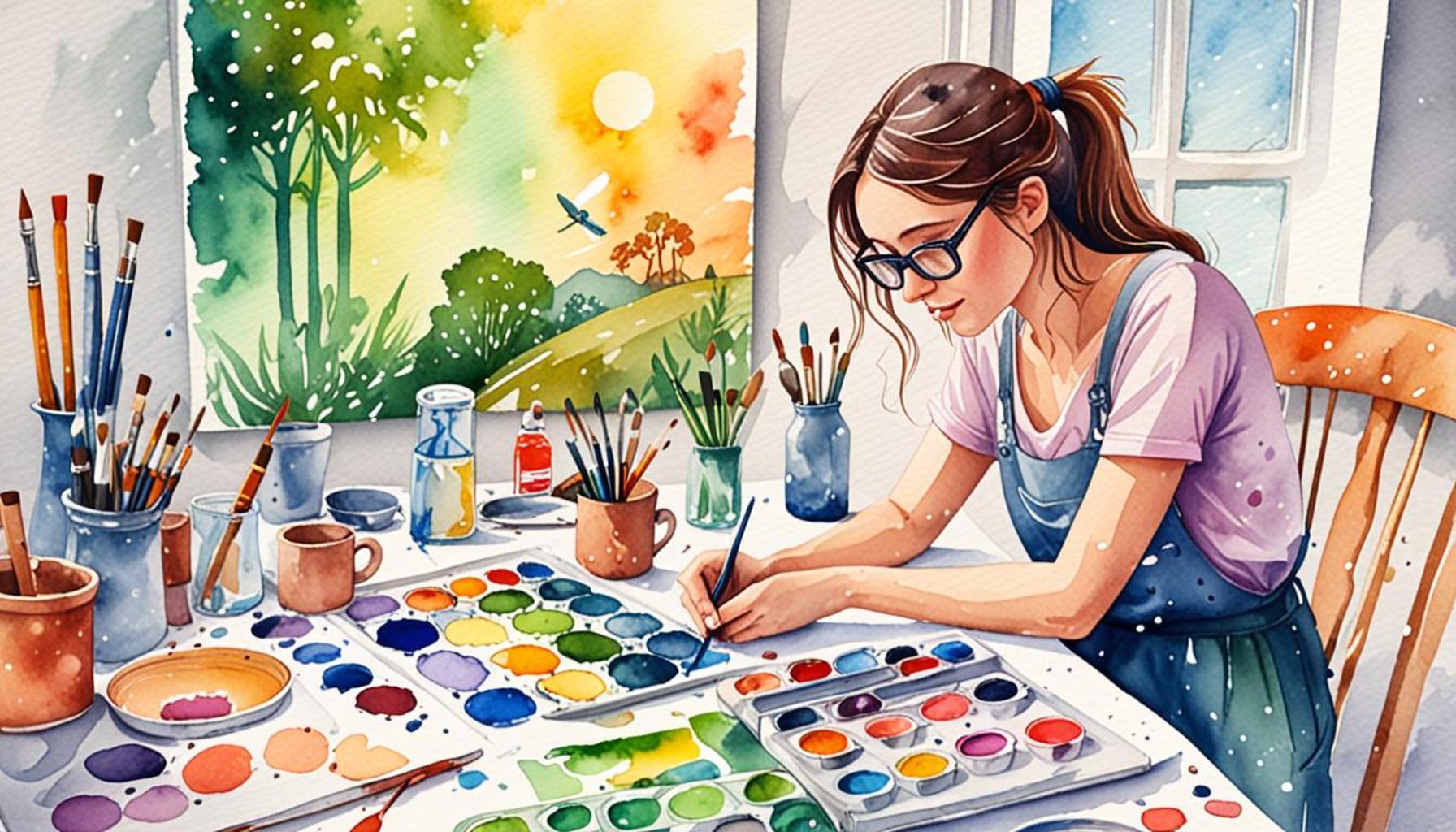
In today’s fast-paced world, stress has become an all-too-common experience, affecting millions across the United States. Creative endeavors can act as powerful tools for stress management. Engaging in artistic activities has been shown to lower levels of cortisol, a hormone associated with stress. Activities like painting or playing an instrument encourage mindfulness—concentrating on the task at hand allows individuals to escape from their immediate tensions, creating a therapeutic break.
- Mindfulness and Focus: Artistic activities can enhance focus, promoting a meditative state where individuals become deeply immersed in their creations, effectively dimming distractions from daily life.
- Physical Benefits: On top of mental health improvements, engaging in art often involves physical activity, whether through dance or working with mediums like clay, contributing to overall well-being.
- Sense of Accomplishment: Completing a work of art, regardless of skill level, fosters a remarkable sense of achievement. This can be both motivating and uplifting, often translating into increased productivity in daily tasks.
Art and Community: Building Connections
Artistic pursuits not only serve personal development but also enhance social connections. Group art classes, community arts projects, or local theater productions encourage collaboration and socializing, helping individuals forge new relationships and enhance their social networks. The collective experience of creating can alleviate feelings of isolation and encourage a sense of belonging. This aspect is particularly crucial in a time when loneliness and mental health issues are the focus of extensive research and concern in the U.S.
Moreover, community-oriented art initiatives often address larger social issues and foster dialogue among diverse populations, enriching both individual and collective well-being. Participants in such projects report feeling more connected to their communities, which can significantly uplift their mood and perspective, demonstrating the power of art as a connector.
As we delve deeper into the nuances of artistic pursuits, it becomes evident that the relationship between creativity and mental health is complex and dynamic. Ongoing research and developments in art therapy continue to shed light on how integrating creativity into our lives can serve as a crucial pillar for mental health support.
| Category | Impact Description |
|---|---|
| Creative Expression | Artistic pursuits allow individuals to articulate emotions without words, facilitating emotional processing. |
| Stress Reduction | Engaging in artistic activities is linked to lower stress levels and can serve as a form of mindfulness, promoting relaxation. |
| Social Connection | Participating in group art projects fosters a sense of community and reduces feelings of isolation. |
| Cognitive Enhancement | Artistic practice can improve cognitive function and creativity, enhancing problem-solving skills and mental flexibility. |
Artistic pursuits undeniably play a crucial role in enhancing mental health and well-being. Engaging in creative expression enables individuals to transform complex emotions into tangible forms, often leading to greater insights into one’s mental state. This transformative process not only aids in emotional regulation but also promotes one’s sense of self.Moreover, engaging in artistic activities has shown to reduce stress significantly. The tranquility found in the brush strokes of painting or the rhythm of playing a musical piece can serve as a therapeutic escape from daily pressures, akin to a form of mindfulness practice. This connection between creativity and relaxation provides a valuable resource for those seeking to cultivate a more peaceful mental state.Collectively, participation in art projects encourages social interaction, helping combat feelings of loneliness and fostering community. In turn, this social capital can have lasting positive effects on mental health. As such, recognizing the profound benefits of artistic pursuits can inspire individuals to explore and embrace their creative sides for improved mental well-being.
DISCOVER MORE: Click here to unveil more creative ideas
Artistic Expression as a Pathway to Healing
Beyond mere enjoyment, artistic pursuits can serve as an essential pathway to healing for individuals struggling with mental health issues. Several studies have highlighted the role of art therapy in clinical settings, demonstrating significant benefits for those coping with trauma, anxiety, and depression. Art therapy allows individuals to engage in creative processes as a form of communication, offering them tools to externalize their trauma and facilitate recovery.
Particularly for those who find talking about their experiences challenging, art provides a safe outlet. Research from the American Art Therapy Association has shown that creating art can significantly reduce feelings of anxiety and depressive symptoms, making it a powerful adjunct to traditional talk therapy. Moreover, art therapy sessions often enable individuals to build resilience and foster coping strategies, empowering them to face their life challenges with renewed strength.
Artistic Pursuits in Education and Their Impact on Youth Mental Health
Incorporating artistic pursuits in educational settings can also have transformative effects on youth mental health. Schools that prioritize art education—whether through visual arts, music, or theater—often see a marked improvement in students’ emotional well-being and academic performance. A report by the Arts Education Partnership revealed that students engaged in the arts not only exhibit better grades but also show an increase in motivation and a reduction in behavioral issues.
- Creativity Boost: Participation in arts programs nurtures creativity, a vital skill not only in artistic fields but across disciplines, helping students approach problems with innovative thinking.
- Emotional Smartness: As students work on expressive projects, they develop greater emotional intelligence, learning to recognize and manage their feelings while empathizing with others.
- Sense of Identity: Engaging in the arts allows young people to explore their identities in a supportive environment, fostering a sense of self-worth and belonging.
Digital Artistic Expression in the Modern Age
The rise of digital technology has opened new avenues for artistic expression, further enhancing mental well-being. Online platforms offer unprecedented access to resources, allowing individuals to partake in creative activities from the comfort of their homes. Social media communities centered around art provide not just inspiration but also spaces for individuals to share their work and receive validation from their peers, which can be instrumental for those seeking affirmation.
Additionally, research indicates that individuals who engage in digital art forms, such as graphic design or photography, experience heightened levels of creativity and reduced anxiety. Mobile art applications and platforms allow for easy exploration, making art more accessible than ever and serving as a digital sanctuary during turbulent times. Consequently, harnessing the power of digital artistry enables individuals to cultivate their skills while enhancing their mental well-being.
As the dialogue around mental health continues to evolve, the intersection of artistic pursuits and well-being shines brightly. The insights gleaned from studies and personal testimonies underscore the necessity of integrating creative expression into our daily lives, where the benefits extend far beyond simple relaxation. The profound impact of arts and creativity as integral to holistic mental health reminds us of the therapeutic potential that lies within each brushstroke, note, and performance.
DISCOVER MORE: Click here to learn how theater and dance can transform lives
Conclusion: Embracing Creativity for Mental Well-Being
The evidence is clear: artistic pursuits play a pivotal role in enhancing mental health and well-being across diverse populations. Whether through the therapeutic avenues of art therapy, the impactful integration of arts in education, or the expanding realms of digital creative expression, the benefits of engaging in the arts cannot be overstated. From helping individuals express their emotions and process traumatic experiences to fostering resilience and emotional intelligence in young learners, creative endeavors serve as a vital tool for personal growth and psychological healing.
As we venture further into the complexities of modern life, the relevance of creative practices becomes even more pronounced. The digital age has not only democratized access to artistic tools but has also curbed feelings of isolation by creating vibrant online communities where individuals can connect through shared passions. This digital integration provides a unique opportunity to explore creativity in ways that were previously unimaginable, making artistic activities accessible to all, regardless of location or circumstance.
Ultimately, the intersection of artistic expression and mental well-being encourages us to rethink our approach to mental health. By prioritizing creativity as an essential component of self-care and community engagement, we open the door to enriching our lives and the lives of others. As we champion the arts, we also promote a culture of healing and connection that benefits not just individuals, but society as a whole. Therefore, let us advocate for the integration of artistic pursuits into everyday life and recognize their profound potential to illuminate the path toward well-being.