The Importance of Artistic Expression for Mental Well-Being: Hobbies that Heal
Unlocking Creativity for Mental Health
In a world filled with challenges, artistic expression has emerged as a powerful tool for enhancing mental well-being. Engaging in creative activities can foster a sense of accomplishment, relieve stress, and promote emotional health. The importance of creativity in our everyday lives cannot be overstated, especially when it comes to improving our mental health outcomes.
Many individuals are unaware of the profound impact that creativity can have on their lives. Consider these benefits:
- Stress Relief: Hobbies like painting, writing, or playing music can serve as a therapeutic outlet, allowing individuals to channel their emotions and frustrations. For instance, someone facing job-related stress may find solace in sketching their feelings or composing a song, providing a much-needed escape.
- Enhanced Self-Esteem: Successfully creating art can significantly boost confidence and self-worth. When individuals complete a project, be it a handcrafted mug or a short story, they experience a sense of achievement that reinforces their skills and capabilities.
- Improved Mood: Engaging in creative processes releases dopamine, the “feel-good” chemical, which can combat feelings of anxiety and depression. Studies have shown that even just 20 minutes of artistic activity can enhance one’s mood and leave participants feeling more positive overall.
Exploring various forms of artistic expression can lead to significant improvements in mental health. Popular hobbies that heal include:
- Visual Arts: Activities such as drawing, painting, and photography can help articulate emotions that may be difficult to express verbally. For example, individuals grappling with grief may find that painting their memories brings them comfort and clarity.
- Performing Arts: Dance, theater, and music connect individuals with their internal feelings. Joining a local community theater or a dance class allows individuals to express emotions in an engaging environment, facilitating connections with others facing similar challenges.
- Crafts: Activities like knitting, woodworking, or ceramics cultivate mindfulness and focus. The repetitive nature of these crafts helps ground individuals, redirecting their minds from lingering worries to the present moment.
As you embark on this journey of discovering creative outlets, you will unveil a world where the act of creating is not merely a pastime but an essential path to better mental health. Engaging with art and creativity can foster community, resilience, and a profound sense of belonging, proving that wellness can be as artistic as it is scientific. Each brushstroke, dance step, or note played is a testament to the resilience of the human spirit, making creativity an invaluable resource in maintaining mental well-being.
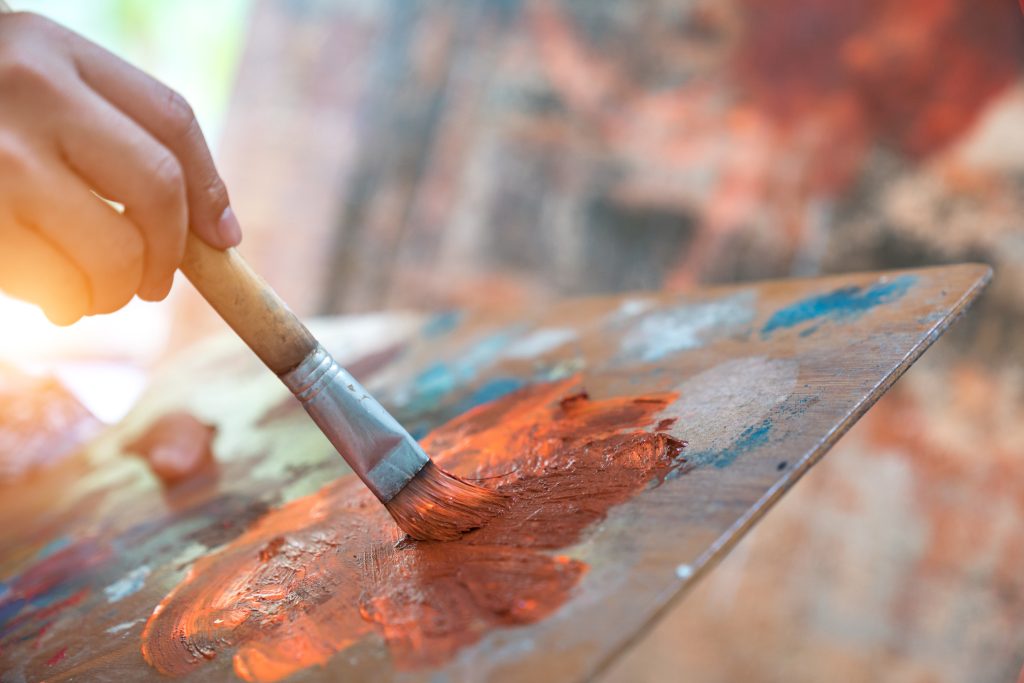
Artistic Hobbies as a Haven for Healing
In today’s fast-paced society, individuals often find themselves grappling with overwhelming emotions and stressful situations. Amidst such turmoil, artistic expression stands out as a beacon of hope, offering various outlets for emotional release and healing. Research has consistently shown that engaging in creative hobbies can significantly enhance overall mental well-being, thereby underscoring the profound connection between art and mental health.
Understanding the multitude of benefits that distinct forms of artistic expression provide is essential for those looking to improve their mental state. Here are some specific advantages:
- Emotional Articulation: For many, expressing feelings through art can be easier than articulating them verbally. From painting to sculpture, visual arts come as powerful mediums to capture complex emotions. A study from the American Journal of Public Health demonstrated that expressive art can lead to reduced anxiety and feelings of isolation, as it allows individuals to communicate their innermost thoughts without the constraints of language.
- Social Connection: Participating in group art classes or community projects fosters a sense of belonging and camaraderie. Having shared experiences with others can create a strong support network, which is invaluable for improving mental health. Programs like the “Art in Recovery” initiative help individuals form connections through joint creative endeavors that encourage open dialogue about their mental wellness.
- Mental Clarity: Engaging in a creative practice can lead to a meditative state that promotes clarity of thought. This is particularly true for activities like drawing or crafting, which require concentration and focus, allowing the mind to quiet itself amidst the chaos of daily life. According to a study featured on the National Institute of Health’s website, just 45 minutes of creative activity can reduce cortisol levels, the hormone associated with stress.
As you delve into artistic hobbies, consider the variety of mediums at your disposal. Each offers unique pathways toward emotional healing and mental well-being. Below are a few popular artistic hobbies that serve as excellent, therapeutic outlets for stress relief:
- Photography: Capturing moments through photography encourages individuals to view the world through a different lens, often prompting gratitude and mindfulness. This craft not only enhances creativity but also provides a means of documenting personal growth and transformation.
- Writing: Whether through journaling, poetry, or storytelling, writing is an excellent means to process one’s thoughts and feelings. Expressive writing has been linked with significant emotional healing, enabling individuals to confront and comprehend their experiences.
- Music: Playing an instrument or singing can lead to powerful emotional release. Music therapy has shown to alleviate symptoms of depression and anxiety, making it a highly effective tool for mental wellness. Research indicates that listening to or creating music can stimulate the brain’s reward centers, promoting feelings of happiness and satisfaction.
Embracing artistic hobbies not only cultivates creativity but also provides essential therapeutic benefits that can enhance overall mental health. By exploring various forms of artistic expression, individuals can uncover innovative ways to cope with life’s challenges while fostering joy and stability in their lives.
The Importance of Artistic Expression for Mental Well-Being
Artistic expression serves as a powerful medium for exploring emotions, reducing stress, and enhancing mental health. Engaging in creative hobbies can lead to meaningful experiences that promote healing and well-being. Activities such as painting, writing, music, and dance provide individuals with an outlet to communicate thoughts and feelings that may be difficult to express verbally.
Research has shown that participation in artistic activities can lead to a significant reduction in anxiety and depressive symptoms. For instance, art therapy initiatives have been successful in clinical settings, proving the effectiveness of creative engagement in alleviating emotional distress.
Moreover, the act of creation itself can be meditative. Focusing on a canvas or musical note draws attention away from life’s pressures, instilling a sense of peace and mindfulness. This incorporation of artistic hobbies into one’s routine can foster resilience, encouraging individuals to cope better with everyday challenges.
The therapeutic benefits extend to social connections as well. Collaborative art projects or community classes serve as platforms where people can share their experiences, forge new friendships, and find support amongst peers. This social aspect is integral to mental well-being, as it nurtures a feeling of belonging and acceptance.
In summary, the intersection of artistic expression and mental health highlights the importance of hobbies that heal. Ultimately, engaging in creative pursuits equips individuals with essential coping strategies and emotional tools necessary for navigating life’s ups and downs.
| Category | Benefits |
|---|---|
| Expressive Arts | Fosters emotional release and self-discovery. |
| Mindful Creativity | Encourages present-moment awareness and reduces stress. |
| Social Engagement | Builds community ties and reduces feelings of isolation. |
These elements of artistic expression not only enhance the individual experience but also emphasize the broader societal need for mental health awareness and creative opportunities. By valuing artistic hobbies as healing tools, we pave the way for a healthier and more connected society.
The Transformative Power of Artistic Expression
Artistic hobbies do not merely serve as temporary escapes but can profoundly transform an individual’s emotional landscape. When participants engage in creative practices, they often experience shifts in mindset and emotional resilience. These shifts are not coincidental; they are deeply rooted in psychology and the physiological effects of engaging in artistic activities.
One reason for this transformative power lies in the concept of flow. Coined by psychologist Mihály Csíkszentmihályi, flow describes a state of complete immersion and engagement in an activity where time seems to dissolve. Artistic activities—be it painting, dancing, or playing music—often induce flow, which in turn drastically uplifts one’s mood and promotes mental well-being. When individuals are engrossed in a creative process, they often find themselves distancing from their worries, resulting in decreased stress and increased happiness. A study published in the journal Psychology of Aesthetics, Creativity, and the Arts found that these experiences of flow are positively correlated with lower levels of depression and anxiety.
Moreover, art therapy has gained recognition as a legitimate and effective treatment for various mental health conditions. This therapeutic approach utilizes creative processes and artistic expression as a means to uncover feelings and experiences that are often too difficult to confront verbally. For instance, in clinical settings, individuals struggling with trauma or grief often find solace in creating art that reflects their experiences, facilitating healing in a safe space. A meta-analysis published in the Journal of Positive Psychology highlighted the efficacy of art therapy in improving emotional functioning and reducing symptoms of PTSD among veterans and survivors of trauma.
In addition to formal therapeutic settings, everyday artistic practices can yield significant benefits. Engaging in crafting—such as knitting, woodworking, or pottery—offers therapeutic benefits, especially for those who might find it challenging to express emotions verbally. Crafting can promote mindfulness through the repetitive motions and focused attention required, bringing a sense of calm and clarity. A notable survey conducted by the Craft and Hobby Association in the U.S. revealed that 86% of respondents believed that their crafting hobbies helped to reduce their stress levels, indicating a widespread recognition of its mental health benefits.
Furthermore, the digital landscape has opened new avenues for artistic expression. Social media platforms allow individuals to share their creativity, whether through digital art, photography, or video content. This sharing can foster a sense of community and connection, essential components for good mental health. Shared creative expressions can prompt positive feedback, validation, and connection, forming online support networks that help combat feelings of loneliness and isolation. Research from the University of Pennsylvania found that active engagement in creative digital platforms can contribute to improved mood and stronger social ties.
Ultimately, the importance of artistic expression in enhancing mental well-being cannot be overstated. The act of creation serves as a powerful tool for self-discovery, resilience, and healing. By incorporating various artistic hobbies into daily routines, individuals have the opportunity to cultivate joy, forge connections, and experience profound emotional growth. Understanding and embracing these artistic pathways offers promising avenues for those navigating through life’s challenges, highlighting the vital message that creativity indeed holds the power to heal.
Conclusion: Embracing Creativity for Mental Health
In conclusion, the exploration of artistic expression as a means of enhancing mental well-being reveals a profound connection between creativity and healing. Engaging in artistic hobbies—be it painting, crafting, or digital creation—offers individuals a cathartic outlet that can significantly reduce stress and improve emotional resilience. As we have seen, practices inspired by art and creativity are not just empty pastimes, but rather are grounded in sound psychological principles that encourage a sense of flow and mindfulness.
Moreover, the recognition of art therapy as a form of legitimate treatment highlights how creative processes can aid in the navigation of complex emotions and traumatic experiences. These therapeutic encounters underscore the importance of expression in fostering emotional health. Daily engagement in artistic endeavors further provides an empowering channel for self-discovery, allowing individuals to articulate feelings and experiences that may be challenging to voice otherwise.
As society continues to evolve, embracing the digital landscape expands opportunities for shared creativity, fostering connections that can combat loneliness and enhance belonging. By recognizing the value of artistic expression, we are given the chance not only to activate our creativity but to also transform it into a healing journey. Striving to incorporate such enriching hobbies into everyday life can empower individuals to harness their inner creativity, unlock their potential, and cultivate a brighter, more resilient future. With this understanding, it is clear that creativity is not merely a luxury; it is a vital necessity for mental health and well-being.