The Importance of Inclusion and Diversity in the Performing Arts
The Importance of Inclusion and Diversity in the Performing Arts
The performing arts encapsulate a vivid tapestry of human emotions, experiences, and narratives, making them a vital medium for societal reflection. The recent emphasis on inclusion and diversity within these artistic forms is reshaping the landscape, creating opportunities for a broader range of voices and stories to be heard.
- Representation matters: Each unique voice adds richness to storytelling by bringing new perspectives to the forefront. For instance, Broadway shows like “Hadestown” and “The Lion King” showcase diverse cast members and weave intricate tales that resonate with varied audiences. The presence of diverse artists—from actors to writers—enables narratives that reflect the multifaceted nature of modern society.
- Broadening audiences: Engaging with inclusive programming is crucial in attracting a diverse audience. Productions that reflect different cultural backgrounds and experiences can draw people who may not typically engage with theater. Events like the Color Line Theater Festival aim to highlight performances from people of color, opening discussions that are vital to community growth and understanding.
- Challenging stereotypes: By showcasing diverse talent, the performing arts can effectively dismantle entrenched stereotypes and prejudices. Shows like “In the Heights” not only entertain but educate audiences about Latinx culture, fostering empathy and deeper understanding amongst viewers.
Numerous studies underscore the benefits of diversity on creativity, suggesting that organizations prioritizing inclusivity achieve higher levels of innovation and problem-solving. For example, a report by McKinsey & Company indicates that companies with diverse workforces are 35% more likely to outperform their less diverse counterparts.
Cultural representation in the performing arts is not merely an abstract ideal; it has pragmatic implications for marginalized communities. Artists from disenfranchised backgrounds find platforms to share their authentic stories, fostering a dialogue that can lead to social change. Cities like New York and Los Angeles, known for their rich performing arts scenes, have embraced this transformation, producing remarkable works that might have otherwise gone unheard.
Exploring the significant role of inclusion and diversity in the performing arts leads us to examine the benefits, challenges, and subsequent actions necessary to foster a more equitable creative environment. While the progress made is laudable, there remains a long way to go to ensure that all voices are not only heard but celebrated, propelling the arts into a future where every narrative holds value and significance.
LEARN MORE: Click here to discover the benefits
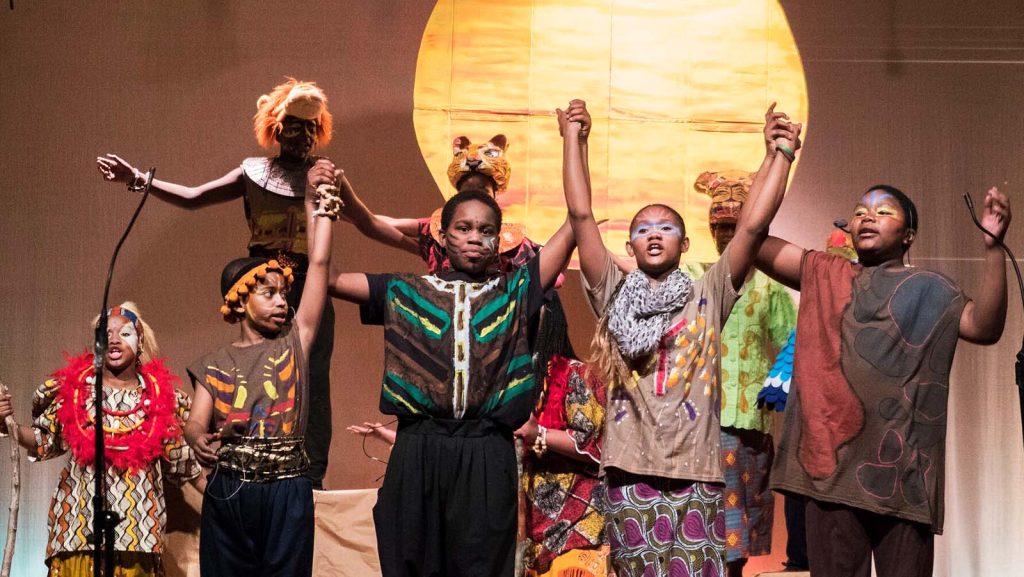
Understanding the Impact of Diversity on Artistic Expression
The performing arts serve as a mirror reflecting the complexities of our society, and within this space, inclusion and diversity play pivotal roles in shaping meaningful artistic expression. When artists from various backgrounds collaborate, they not only enrich the creative process but also break down the boundaries that often isolate cultural narratives. By embracing diversity, the performing arts can amplify voices that resonate with different communities, fostering a deeper engagement with both performers and audiences alike.
To fully grasp the significance of these concepts, it is crucial to recognize several key areas where inclusion and diversity manifest:
- Creative Collaboration: Diverse artistic teams can foster innovative ideas and fresh perspectives. For example, consider the collaborative efforts in productions like “The Prom,” which features a storyline centered around LGBTQ+ themes. When writers, directors, and actors reflect a variety of cultural backgrounds, they create a synergy that enhances storytelling and resonates more deeply with audiences.
- Accessibility: Ensuring that the performing arts are accessible to all means creating opportunities for diverse talent and audiences to connect. Initiatives that provide scholarships, mentorship programs, and community outreach can significantly increase participation from underrepresented groups, ultimately leading to a more vibrant arts scene.
- Storytelling Diversity: The breadth of human experience can only be captured by including diverse narratives. Productions showcasing stories from Indigenous, African American, Asian American, and other ethnic narratives allow audiences to explore and empathize with lives that differ from their own, enriching the overall artistic landscape.
As the performing arts evolve, industry leaders are beginning to recognize that the absence of diverse voices in creative spaces limits the potential for groundbreaking art. Major festivals, such as the Sundance Film Festival, are paving the way by highlighting films directed by women and filmmakers of color, urging a shift in perspective that has historically marginalized these groups.
Moreover, research conducted by the National Endowment for the Arts illustrates that audiences are increasingly responsive to the inclusion of diverse stories. This shift indicates not only a desire for representation but a broader appreciation for multifaceted narratives. Audiences are eager to see their realities reflected on stage and screen, underscoring the necessity of diversity in achieving relevance in the contemporary performing arts scene.
The road to fully embracing inclusion within the arts is fraught with challenges, including potential resistance from traditionalist viewpoints. However, the benefits of a more equitable artistic environment cannot be overstated. By prioritizing inclusivity, the performing arts can take strides toward equity and representation, culminating in a culturally rich landscape that speaks to the experiences of all.
| Advantage | Description |
|---|---|
| Enhanced Creativity | Inclusion of diverse voices leads to fresh ideas and unique perspectives in performances. |
| Broader Audience Engagement | Diverse casts and stories resonate with wider audiences, fostering larger attendance and support. |
| Equity in Opportunities | By promoting diversity, performing arts organizations create fair access to opportunities for underrepresented groups. |
| Reflecting Society | Diversity in the arts showcases the realities of a multicultural society, giving voice to various experiences. |
The performing arts community thrives on collaboration and the sharing of ideas. By prioritizing inclusion and diversity, this industry not only enriches its narratives but also challenges societal norms. When audiences witness a spectrum of experiences on stage, it paves the way for productive dialogues about identity, culture, and representation, ultimately creating a more robust and dynamic art scene. Such an approach not only benefits artists but also cultivates a rich cultural heritage that recognizes and honors all voices. Therefore, the integration of diverse perspectives is not just an ethical imperative but a vital component for the evolution of the performing arts.
DIVE DEEPER: Click here to learn more
Champions of Change: The Role of Advocacy and Education
As the performing arts continue to evolve, the importance of advocacy and education in promoting inclusion and diversity cannot be overstated. Various organizations and initiatives are tirelessly working to dismantle systemic barriers that hinder underrepresented groups from entering the arts. These efforts not only encourage participation but also challenge the normative narratives that have dominated the industry for far too long.
Nonprofit organizations like The Actors Fund and Art with Impact play a crucial role in providing resources and support for artists from marginalized communities. Through workshops, training programs, and networking opportunities, these organizations empower aspirants to find their voices and gain vital skills necessary for navigating the complex landscape of the performing arts industry. For instance, initiatives like Color of Change encourage artists to couple their talents with activism, promoting projects that advocate for social justice and environmental issues, thereby expanding the artistic dialogue in impactful ways.
Moreover, educational institutions are beginning to acknowledge the value of a diverse curriculum in drama and performing arts programs. By offering courses that delve deep into different cultural perspectives and artistic styles, schools and universities can foster a generation of artists who are not only skilled but also culturally competent. Programs like the National Youth Theatre of Great Britain provide access and opportunities for underrepresented youth, emphasizing that diversity enriches performance not just in content but in the technical skills of storytelling as well.
One of the most transformative aspects of promoting inclusion and diversity in the arts is the potential for audience engagement. Studies show that when casts are diverse, the audience feels a greater sense of connection and empathy towards the stories being portrayed. Theater companies such as The Public Theater in New York have adopted this approach by showcasing diverse casts and stories that resonate with local communities, proving that representation matters not only on stage but also among those who witness the performances.
Funders and sponsors are also beginning to take notice and support these initiatives. Grant programs that specifically allocate resources to diverse projects demonstrate a shift in how the industry views the importance of diversity. Reports from organizations like Create NYC indicate that cultural funding is increasingly being directed toward projects that emphasize artist equity and collaborative storytelling across differences, reflecting a broader social shift towards inclusivity.
While the path toward achieving comprehensive inclusion in the performing arts is met with obstacles, the drive for change has never been more palpable. Events such as the annual Black Theatre Festival and Pride celebrations in theater showcase the extraordinary talent and creativity within underrepresented communities. These events mark significant progress, yet they also highlight the work still required to ensure that these voices not only have a platform but thrive in shaping the future of the arts.
In addition to these efforts, powerful collaborations between mainstream theaters and grassroots organizations can yield remarkable outcomes. For example, the partnership between the Oregon Shakespeare Festival and local Indigenous communities has led to performances that reflect authentic tribal narratives, reminding audiences of the profound significance of indigenous stories and the impact they have on the larger cultural narrative.
The ongoing dialogue around inclusion and diversity signals a shift in the performing arts landscape. It underscores the notion that when the arts involve all voices, they don’t just become richer; they become essential expressions of our collective human experience. This important movement invites both creators and audiences to reflect on their roles in shaping a creative world that embraces the myriad of human experiences.
DISCOVER MORE: Click here to learn how theater and dance can transform lives
Conclusion: A Tapestry of Voices in the Performing Arts
The movement towards inclusion and diversity in the performing arts represents a profound and necessary shift in cultural representation and narrative storytelling. As we have explored, the concerted efforts of advocacy groups, educational institutions, and mainstream theaters are paving the way for greater representation, acknowledging that the richness of our collective stories cannot be fully realized without the inclusion of diverse voices. This inclusivity not only enriches the creative landscape but also fosters deeper connections between artists and audiences, thereby enhancing the overall cultural experience.
Significantly, the push for diversity goes beyond mere representation; it also challenges societal norms and creates a platform for dialogues that have historically been marginalized. By supporting projects that empower underrepresented communities, stakeholders are not only investing in the arts but also in social transformation. The examples provided, from grassroots initiatives to collaborations with established theaters, illustrate that when diverse narratives are presented, they resonate with broader audiences, promoting empathy and understanding.
As we look to the future of the performing arts, it is essential that this conversation continues to evolve. We must strive for an environment where every artist has the opportunity to express their unique perspectives, and audiences are invited to engage with a spectrum of experiences. The success of this movement rests in sustained commitment, collaboration, and the recognition that the arts thrive on a mosaic of narratives. Let us embrace this transformative journey toward a more inclusive and diverse performing arts landscape, ensuring that every voice is heard and celebrated.