The importance of intergenerational learning in the development of crafting skills
Understanding the Impact of Intergenerational Learning in Crafting Skills
Crafting skills are deeply woven into the fabric of our cultural identity, often passed down through generations like prized family heirlooms. These skills are not merely hobbies; they encompass the stories, traditions, and techniques that shape our communities. In this context, intergenerational learning emerges as a key factor, allowing for the exchange of knowledge between the experiences of older generations and the fresh perspectives of younger ones. This synergy creates a dynamic environment ripe for creativity and innovation.
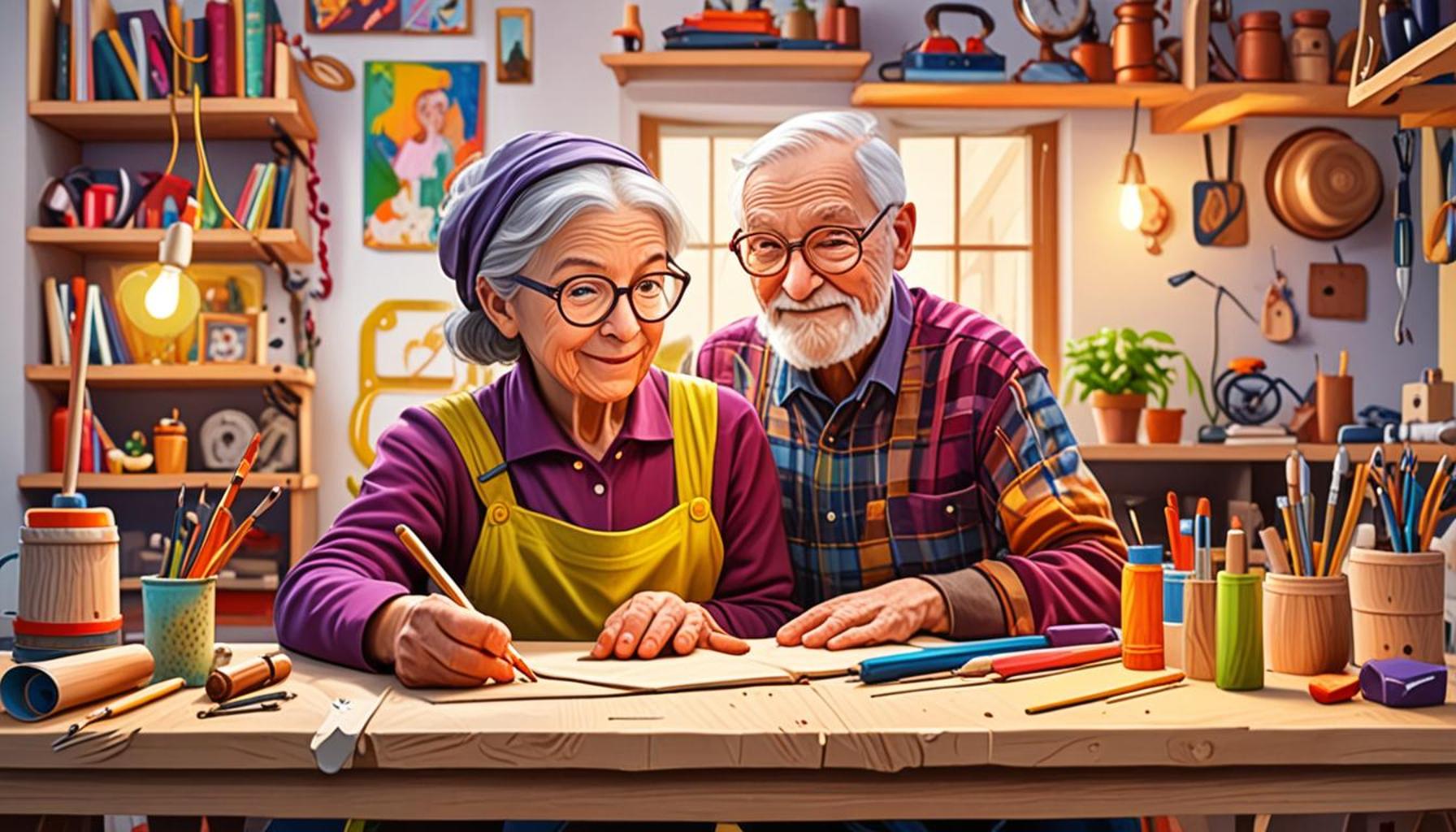
One major benefit of intergenerational crafting is the knowledge transfer that occurs when older generations share their traditional techniques and insights. For example, a grandmother may teach her grandchild the intricate art of quilt-making, providing not just the skills needed to stitch, but also the history and significance behind various patterns. This practice not only preserves these valuable skills but also fosters a sense of continuity and belonging through shared cultural narratives.
Moreover, modern adaptations come into play when younger crafters infuse their contemporary styles and ideas, making crafts more relevant to today’s world. Imagine a young artist taking the traditional technique of weaving and incorporating modern materials and vibrant colors to create unique, contemporary pieces. This not only breathes new life into old crafts but also engages a younger audience, bridging the gap between the past and the present.
Additionally, community building is a vital outcome of intergenerational crafting initiatives. When people of different ages collaborate on projects, they not only enhance their crafting skills but also strengthen community bonds. Local workshops centered on pottery or woodworking can foster relationships that transcend age differences, creating a supportive environment where individuals can learn from each other’s experiences. For instance, community programs like those offered at the YMCA or local artisan fairs encourage participation across age groups, offering workshops that invite all skill levels to join and connect.
This collaboration also nurtures social skills and emotional resilience through teamwork and shared accomplishment. Whether through a knitting circle, where stories and laughter abound, or a woodshop where individuals learn to design functional art, crafting enables participants to develop interpersonal skills and build valuable connections with others.
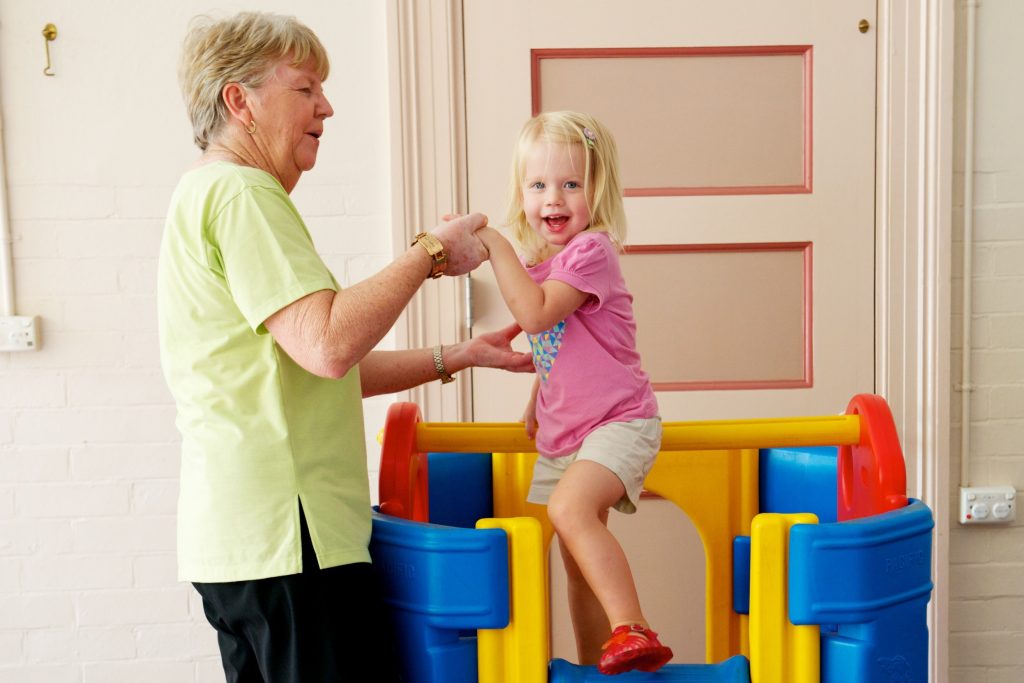
As the significance of intergenerational learning continues to unfold, it becomes evident that this practice enhances not only individual crafting abilities but also fosters community identity and cultural continuity. By engaging in intergenerational crafting, individuals can explore rich histories, discover new ideas, and build lasting relationships. So, as you think about your next project, consider how it may serve as a bridge between generations, enriching both your life and the lives of those around you.
DISCOVER MORE: Click here to learn about the transformative power of theater
The Rich Tapestry of Knowledge Exchange
At the heart of intergenerational learning lies the invaluable exchange of crafting knowledge that spans age groups, creating a rich tapestry of skills, experiences, and insights. The act of learning a craft from an elder offers more than just technical know-how; it embodies life lessons, patience, and the joys of shared creation. In turn, younger generations bring enthusiasm and new ideas, leading to vibrant artistry that honors tradition while embracing modernity.
Studies show that hands-on crafting can have profound psychological benefits, particularly in fostering cognitive engagement for both young and older participants. While children develop fine motor skills, critical thinking, and problem-solving through crafting, older individuals often experience enhanced memory retention and boosted morale from sharing their expertise. According to a report by the American Craft Council, programs that support intergenerational learning not only help preserve traditional crafts but also significantly boost the well-being of participants, making them vital for both personal and societal health.
Transmitting Cultural Heritage
Crafting is often a reflection of cultural heritage, and intergenerational learning plays a key role in transmitting these values and stories to the next generation. Here are several aspects of this transmission process:
- Storytelling: Every craft comes with its own tales and significance. When older generations teach crafting skills, they share not only techniques but also personal anecdotes, enhancing the learning experience.
- Preservation: By teaching younger generations, older crafters help ensure that traditional skills do not fade away. This act of preservation is crucial for cultural identity, especially in an era where mass production often overshadows handmade artistry.
- Creativity: The blending of traditional methods with modern influences results in innovative ideas that keep crafting relevant. This creative exchange stimulates new ways of thinking and expanding the definition of what crafting can be.
Take the example of American quilting, which has evolved over centuries. Elders pass down techniques for creating intricate patterns, while younger artists may integrate contemporary fabrics and even digital technology into their designs. Such collaborations lead to a profound appreciation of the craft’s history while inviting innovation, revealing that crafting is not just static but a living art form.
Additionally, intergenerational crafting communities, such as local guilds or cooperative workshops, facilitate a platform where individuals of different ages can garner respect for each other’s contributions. These environments allow for open dialogue, resulting in a rich exchange of ideas that results in greater mastery of techniques and broader perspectives.
Through the lenses of creativity, cultural heritage, and emotional growth, the power of intergenerational learning in crafting skills cannot be understated. It is a gateway to understanding not just how to create, but also the meaning behind creation itself. The next sections will delve deeper into the social implications and community benefits of these collaborative crafting experiences.
The Importance of Intergenerational Learning in Crafting Skills Development
Intergenerational learning plays a pivotal role in the enhancement of crafting skills, blending traditional expertise with modern creativity. This unique educational approach facilitates knowledge transfer across age groups, allowing younger generations to benefit from the wisdom and experience of their elders, while older individuals can stay engaged and relevant in a rapidly changing world. The collaborative nature of crafting not only fosters creativity but also strengthens relationships between generations. It promotes skills in communication, teamwork, and problem-solving, vital in an increasingly collaborative environment. Engaging in crafting activities can also dispel stereotypes associated with age differences, ultimately creating a more inclusive community. Younger participants often bring contemporary ideas and technologies into the mix, challenging traditional methods and pushing the boundaries of creativity. For instance, integrating digital tools for crafting is a growing trend that encourages the use of new materials and techniques, enriching the crafting process. Moreover, intergenerational crafting can lead to increased confidence and self-esteem among participants. It empowers individuals by allowing them to express their unique viewpoints while learning new skills. The rhythmic nature of crafting also offers a therapeutic aspect, aiding in mental wellness across generations, cultivating patience and mindfulness.As crafting skills interweave with real-life experiences, the cumulative knowledge serves as a treasure trove for future generations. Establishing community workshops can further enhance this dynamic, providing spaces for ongoing interaction and learning opportunities that resonate with the theme of intergenerational unity. To visualize the advantages of this collaborative learning, consider the following table that outlines key benefits in the nurturing of crafting skills through an intergenerational approach:
| Category | Benefits |
|---|---|
| Skill Enhancement | Combining traditional and modern techniques |
| Social Connections | Fostering relationships across age gaps |
The integration of intergenerational learning within crafting is not merely a passing trend, but a powerful tool that cultivates skills, strengthens bonds, and fosters creativity, ultimately expanding the narrative of crafting in our communities. The implications for education and social structures are profound, warranting further exploration and commitment to this enriching experience.
DISCOVER MORE: Click here to dive deeper
Building Community Connections
Intergenerational learning in crafting not only fosters individual skill development but also strengthens community bonds. As participants from different generations come together to share their crafts, they create a supportive environment where diverse perspectives converge. This collaboration is essential in promoting community engagement and revitalizing local cultures through crafting.
In many communities across the United States, local crafting initiatives have emerged as vital spaces for intergenerational interaction. For instance, community centers often host workshops where experienced artisans mentor younger crafters in diverse fields such as pottery, woodworking, and knitting. These hands-on sessions not only teach essential crafting skills but also offer participants a sense of belonging and restore the communal spirit that can be lost in today’s fast-paced world.
The Role of Technology
The advent of technology has significantly influenced the ways intergenerational crafting can be experienced. Online platforms and social media have expanded the reach of crafting communities, allowing people from different generations to share techniques and collaborate globally. For example, platforms like Instagram and Pinterest have become hubs for showcasing crafting projects, where older artists post tutorials and younger creators share completed works. This digital interaction reveals how technology acts as a bridge, connecting the rich histories of crafting with innovative ideas, opening new doors for collaborative projects.
A compelling example can be seen in the rise of virtual crafting workshops during the COVID-19 pandemic. Communities adapted by organizing online events where participants could gather via video conferencing platforms. These sessions transcended geographic barriers, allowing individuals from urban and rural settings alike to connect. Participants not only learned valuable skills but also formed friendships that have blossomed into supportive networks, demonstrating the resilience of community bonds through crafting.
Enhancing Mental Health and Well-being
Another dimension of intergenerational crafting lies in its positive impacts on mental health and well-being. Engaging in creative activities has long been associated with lower levels of anxiety and depression. The social aspect of crafting amplifies these benefits, as participants enjoy camaraderie and emotional support during their creative endeavors. Specific studies have indicated that older adults who engage in crafting experiences report lower feelings of isolation and improved self-esteem through mentoring roles, while younger individuals gain from the wisdom and perspective offered by their elders.
Furthermore, crafting provides a unique avenue for expressing emotions, particularly for individuals who may find verbal communication challenging. Creative expressions through art can facilitate discussions on life experiences, challenges, and hopes—leading to deeper intergenerational understanding. In essence, crafting becomes a language of its own, where the act of creation fosters a dialogue that is both enriching and healing.
By participating in intergenerational crafting, individuals play a crucial role in maintaining community traditions and fostering resilience. The intertwining of personal narratives, cultural histories, and contemporary creativity forms a cycle of learning that is deeply meaningful. This dynamic not only nurtures individual skill development but also fosters a sense of purpose, commitment, and unity among generations, underlining the profound importance of intergenerational learning in shaping the craft landscape of tomorrow.
DISCOVER MORE: Click here to learn about the tech shaping the future of music
Conclusion
In an ever-changing world, the significance of intergenerational learning in crafting cannot be overstated. This approach not only revitalizes traditional skills and techniques but also cultivates a rich tapestry of relationships that bridge the gap between generations. As elders impart their hard-earned wisdom to younger creators, they instill in them a sense of pride and continuity that strengthens cultural heritage. Additionally, the melding of experience and innovation paves the way for exciting new forms of artistic expression, enriching both personal and communal landscapes.
The benefits extend beyond mere skill acquisition; through crafting, individuals experience enhanced mental health and a strengthened sense of belonging. As participants engage in collaborative projects, they foster emotional connections that combat feelings of isolation, particularly in a world increasingly dominated by digital interactions. Thus, crafting becomes a shared language that articulates values, stories, and dreams, encapsulating the human experience across ages.
Furthermore, as communities lean into technology, they open doors for even broader connections. Virtual workshops and online platforms have demonstrated that intergenerational crafting can thrive regardless of geographic barriers, revealing a common thread that binds us all. This evolution not only adapts to the current demands of society but also ensures that the art of crafting remains vibrant and relevant.
In sum, the importance of intergenerational learning in the development of crafting skills lies in its profound ability to unite diverse voices, foster resilience, and revitalize community spirit. As we continue to embrace this model, we pave the way for a future that honors tradition while welcoming innovation, ensuring that the art of crafting flourishes for generations to come.