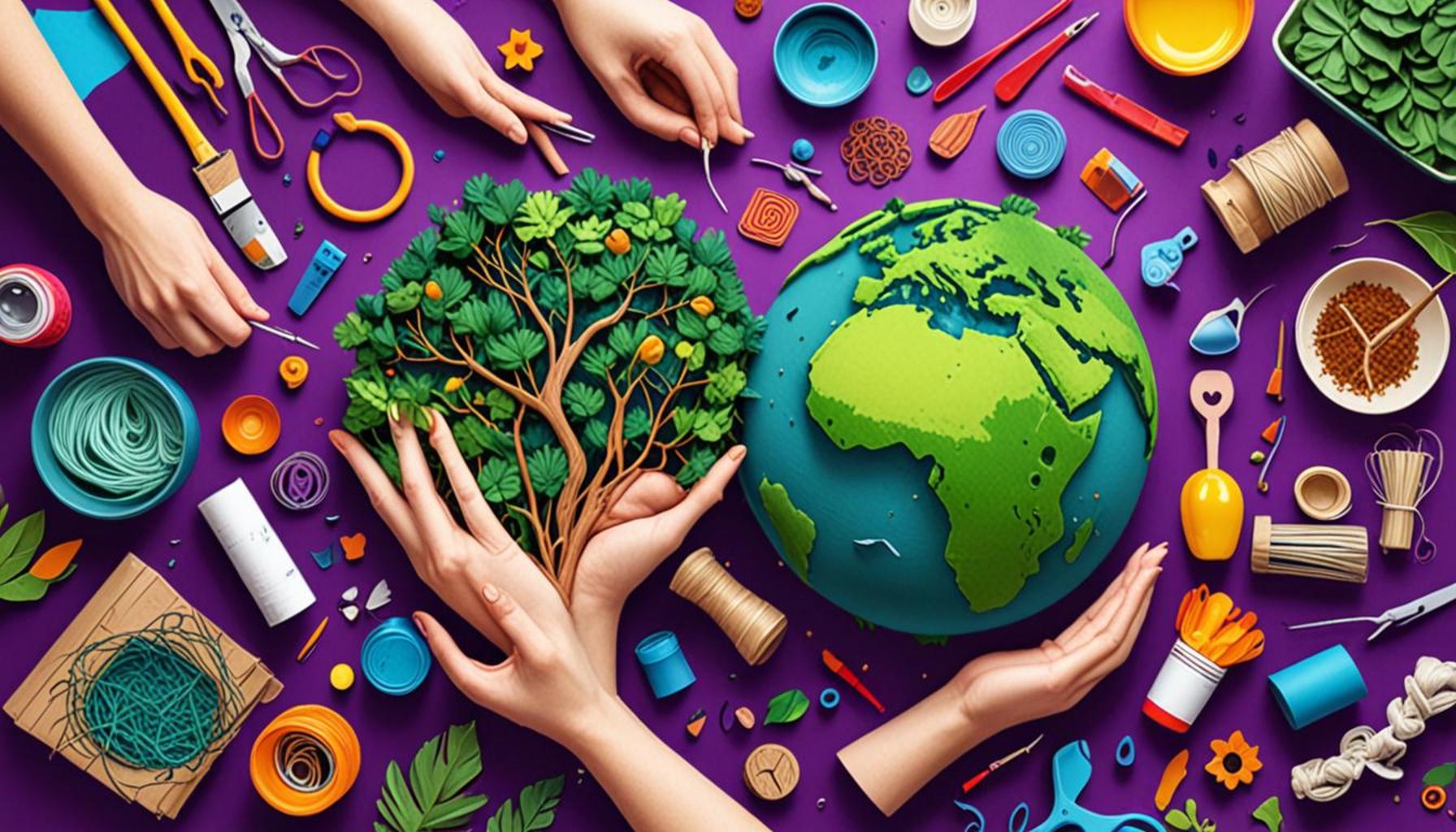
The Importance of Manual Skills in Personal Development and Well-Being

The Hidden Benefits of Cultivating Manual Skills
In today’s fast-paced digital world, the significance of manual skills can often slip under the radar. Yet, participating in hands-on activities offers profound benefits that not only enhance personal development but also improve overall well-being. Recognizing the link between these skills and personal growth can pave the way for a more fulfilling life.
Manual skills encompass a diverse array of activities that engage both body and mind. Examples include:
- Crafting – Whether it’s woodworking, pottery, or fabric arts like sewing and knitting, these creative endeavors encourage self-expression and innovation. The act of transforming raw materials into finished products can be especially rewarding.
- Gardening – Tending to plants not only enhances the aesthetic quality of our surroundings but also provides significant therapeutic advantages. Research has shown that gardening can lower cortisol levels (a stress hormone) and promote a sense of tranquility, making it an effective antidote to urban life.
- Cooking – The art of preparing meals fosters mindfulness, allowing individuals to connect with their food and make healthier dietary choices. Home-cooked meals often lead to better nutrition and family bonding time, resulting in a more balanced lifestyle.
Engaging in these activities does far more than keep the hands busy; it ignites the mind and uplifts emotional health. Specifically, developing manual skills can:
- Reduce stress and anxiety – By focusing on hands-on tasks, individuals often find an escape from their worries, as these activities promote mindfulness and present-moment awareness.
- Boost self-esteem – Successfully completing craft projects, nurturing plants to life, or cooking a delicious meal can provide a significant sense of accomplishment and satisfaction, fostering confidence in one’s abilities.
- Enhance fine motor skills and coordination – Regular practice of manual tasks can lead to improved dexterity and motor skills, which is particularly beneficial for individuals of all ages, from children developing their coordination to adults looking to maintain agility.
The joy and fulfillment derived from these practices frequently translate into heightened mental clarity and focus. Those who embrace manual skills often discover a renewed sense of identity and a stronger connection to their communities. For instance, participate in local crafting groups can foster relationships while allowing individuals to share their skills and learn from others.
As one delves deeper into the world of manual skills, they may uncover not only new hobbies but also untapped potentials. In a society heavily reliant on digital interactions, returning to the basics of hands-on activities can lead to a richer, more connected life. Ultimately, cultivating these skills not only nurtures the body but also promotes a holistic sense of well-being, encouraging individuals to explore their capabilities and cultivate meaningful experiences.
DISCOVER MORE: Click here to delve into cultural diversity in the performing arts
Exploring the Cognitive and Emotional Impact of Manual Skills
A growing body of research emphasizes the cognitive and emotional benefits linked to the acquisition and practice of manual skills. Beyond mere hobbies, these activities serve as powerful tools for enhancing mental health and personal growth. Engaging in manual tasks can trigger a variety of positive psychological effects, fostering resilience and promoting well-being.
One of the most compelling benefits is the enhancement of mindfulness. When individuals immerse themselves in activities such as pottery or woodworking, they are often transported into a state of flow. This psychological term describes a mental state of deep focus and immersion in a task, leading to feelings of fulfillment and satisfaction. The repetitive motions involved in crafting or gardening allow the mind to quiet down, making these activities an excellent antidote to the overstimulation of modern life.
Furthermore, the act of creating something tangible—from a knitted scarf to a succulent garden—often leads to significant boosts in self-esteem. Individuals can witness the fruits of their labor, resulting in a sense of accomplishment that can be hard to achieve through solely digital interactions. This cycle of creation and completion not only fosters confidence but can also improve mental resilience, enabling individuals to better handle life’s challenges.
Moreover, manual skills can serve as a potent form of expression. To further illustrate this point, consider the following examples:
- Painting – This discipline allows individuals to convey their thoughts and emotions in a vivid form, often serving as a therapeutic outlet for stress and anxiety.
- Woodworking – The meticulous nature of this craft combines creativity with precision, pushing individuals to develop problem-solving skills and spatial awareness.
- Beekeeping – An engaging manual skill that can boost awareness of ecological issues and foster a deeper connection with nature, alongside offering the rewards of honey production.
Participating in activities that require physical engagement not only fosters community connections but can also bridge the gap between generations. Grandparents often teach their grandchildren cooking or gardening skills, creating intergenerational bonds that enrich personal narratives and build family legacies. This shared experience strengthens relationships while simultaneously encouraging emotional growth in both young and older participants.
In light of increasing screen time and isolation stemming from digital communication, the revival of manual skills has never been more urgent. Embracing these activities can lead individuals down a path of self-discovery and greater emotional intelligence. As manual skills become integrated into daily routines, they empower individuals to reclaim their time, cultivate mindfulness, and enhance their overall well-being.
Ultimately, recognizing the many dimensions of manual skills highlights their role not just as activities, but as essential components of personal development in a constantly changing world.
| Category | Importance |
|---|---|
| Cognitive Development | Engaging in manual skills sharpens problem-solving abilities and enhances cognitive functions, proving beneficial for personal growth. |
| Emotional Well-Being | Hands-on activities are great stress relievers, promoting mindfulness and emotional regulation through focused engagement. |
| Social Skills | Collaborative manual tasks foster teamwork and communication, essential for building interpersonal relationships. |
| Self-Esteem | Achieving proficiency in manual skills boosts confidence and offers a sense of accomplishment, enhancing self-worth. |
Exploring the intricate connections between manual skills and personal development reveals an expansive landscape for well-being. Engaging in crafting or practical tasks not only strengthens the mind but also offers emotional relief and social connectivity. By utilizing our hands, we are capable of generating a profound sense of satisfaction—nurturing our self-esteem and fostering resilience. This interplay of skills cultivates a richer, more balanced life, beckoning individuals to delve deeper into their creative and functional abilities for personal enrichment and holistic wellness.
DISCOVER MORE: Click here for exciting crochet techniques and projects
The Role of Manual Skills in Skill Acquisition and Life Balance
As our society increasingly embraces digital communication and technology, there is a pressing need to recognize the value of manual skills as facilitators of personal development and overall well-being. These skills not only promote creativity but also enrich individuals’ lives through practical experiences that directly contribute to functional knowledge and emotional balance.
A significant benefit of engaging with manual skills is the development of practical problem-solving abilities. Whether it’s a DIY home improvement project or sewing a garment, the hands-on nature of these activities encourages critical thinking and adaptability. Individuals learn to trial different methods, consider various outcomes, and most importantly, discover that failure is part of the learning curve. This can be particularly empowering in today’s fast-paced world, where the ability to pivot and find solutions under pressure is essential.
Additionally, manual skills provide opportunities for stress relief. Activities that require physical engagement can significantly lower anxiety levels. For instance, replicating a woodworking project requires concentration and can serve as a distraction from life’s stresses, allowing practitioners to channel their energy into a productive outlet. This physical engagement creates a tangible sense of satisfaction that digital interactions may lack. Research shows that individuals participating in manual activities often experience improved mood and decreased levels of cortisol, a stress hormone. Thus, adopting manual skills can lead to healthier responses to life’s stressors.
Learning manual skills also promotes lifelong learning, as they are not confined to a single discipline. People can expand their horizons by exploring various avenues—from pottery to metalworking, each craft can enhance different skill sets. Workshops and community classes cater to various interests, providing opportunities for social interaction. Such interactions foster community engagement and lifelong friendships, offering social support critical to emotional well-being.
To illustrate how adept manual skills can bolster personal development, let’s examine the growing trend of urban gardening. As food deserts in cities continue to expand, many individuals are turning to gardening to reclaim their access to fresh produce. This not only promotes healthier eating habits but also strengthens community ties as neighbors join together in green initiatives. Urban gardening fosters a sense of belonging and accomplishment, allowing individuals to witness the fruits of their labor in a direct, meaningful way—turning mere plants into powerful symbols of self-sufficiency and resilience.
Moreover, studies reveal a direct correlation between manual skills and cognitive health, particularly in older adults. Engaging in activities such as knitting or woodworking can combat age-related cognitive decline by enhancing neural connections and improving brain function. These practices require focus, which in turn promotes greater mental agility that can help sustain cognitive sharpness well into the later years of life.
The integration of manual skills in daily life also encourages a deeper understanding of sustainability and resourcefulness. As individuals learn the value of crafting and creating with their hands, they become more aware of consumption and its impact on the environment. For example, upcycling old furniture or creating a homemade gift becomes a thoughtful practice in sustainability, promoting both environmental consciousness and personal creativity.
In summary, the emphasis on manual skills as a pivotal aspect of personal development and well-being illuminates an important pathway toward achieving balance in our increasingly digital-focused lives. By devoting time to learn and refine these skills, individuals can foster an enriched sense of self, strengthen emotional health, and cultivate connections that transcend mere screen interactions.
DISCOVER MORE: Click here to learn about the future of performing arts
Conclusion: Embracing Manual Skills for a Fulfilling Life
In a world dominated by technology and fast-paced digital interactions, the importance of manual skills cannot be overstated. As we have explored, engaging in hands-on activities not only bolsters personal development but also appreciably enhances overall well-being. The myriad benefits—ranging from improved problem-solving abilities and stress relief to fostering community connections and encouraging lifelong learning—illustrate how these skills are vital for navigating the complexities of modern life.
Moreover, the role of manual skills extends beyond individual growth; they anchor a deeper understanding of sustainability and encourage mindfulness about consumption and the environment. By tapping into the creative potential of our hands, we not only craft tangible outcomes but also cultivate a richer internal life that fosters joy, resilience, and self-sufficiency. Urban gardening is a poignant example of several interconnected benefits at play—redefining relationships with food, crafting community ties, and fueling both physical and mental wellness.
As we move forward, embracing and integrating manual skills into our daily routines can significantly contribute to a balanced, fulfilling life. Whether it’s through rediscovering a childhood hobby, attending community workshops, or starting a new project, the journey into manual craftsmanship leads to more profound connections with ourselves, others, and the environment. In recognizing the power of these skills, we pave the way for a lifestyle that honors creativity, resourcefulness, and genuine well-being.