The influence of cultural traditions on the development of contemporary craft skills
The Rich Heritage of Craftsmanship
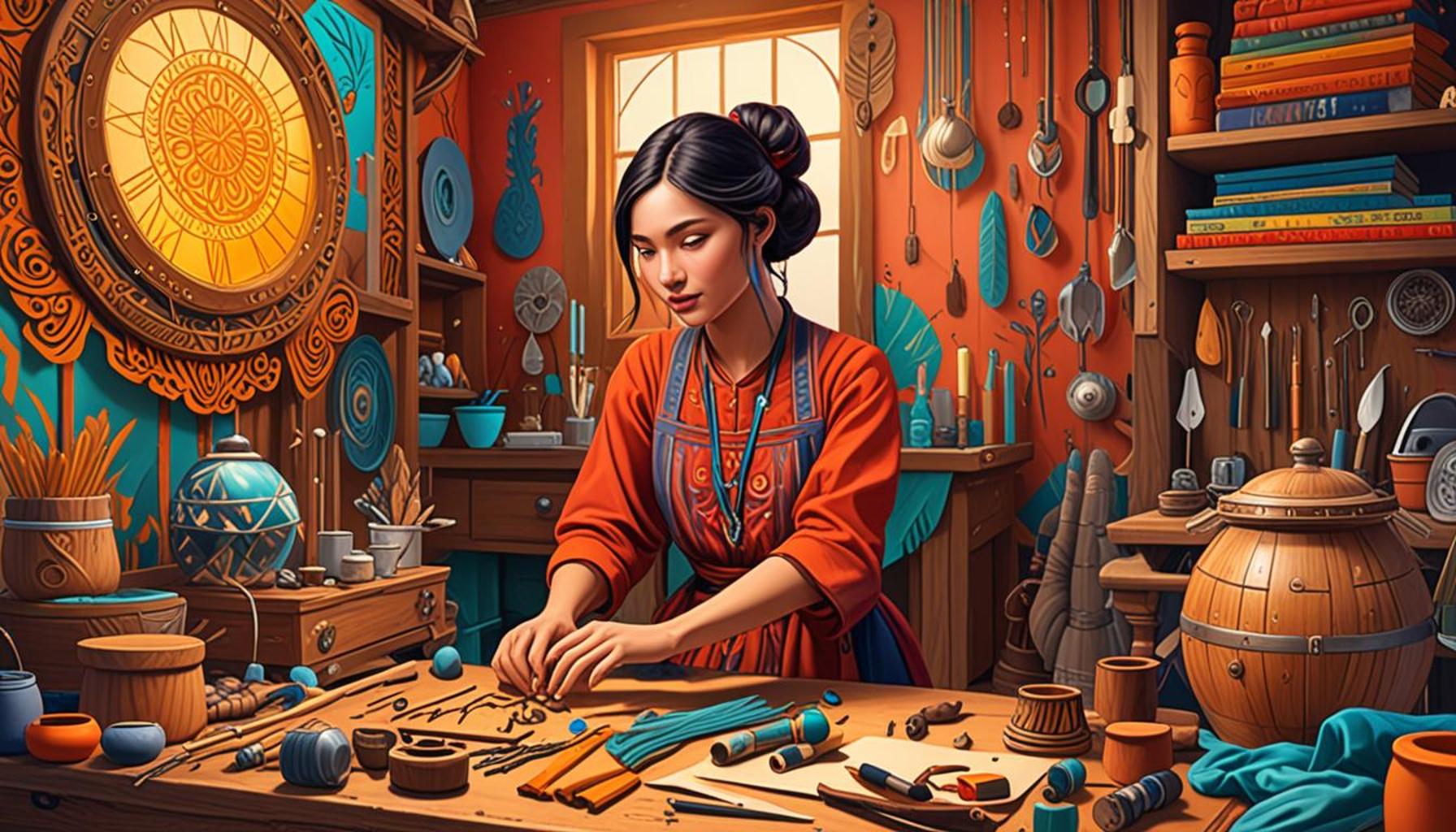
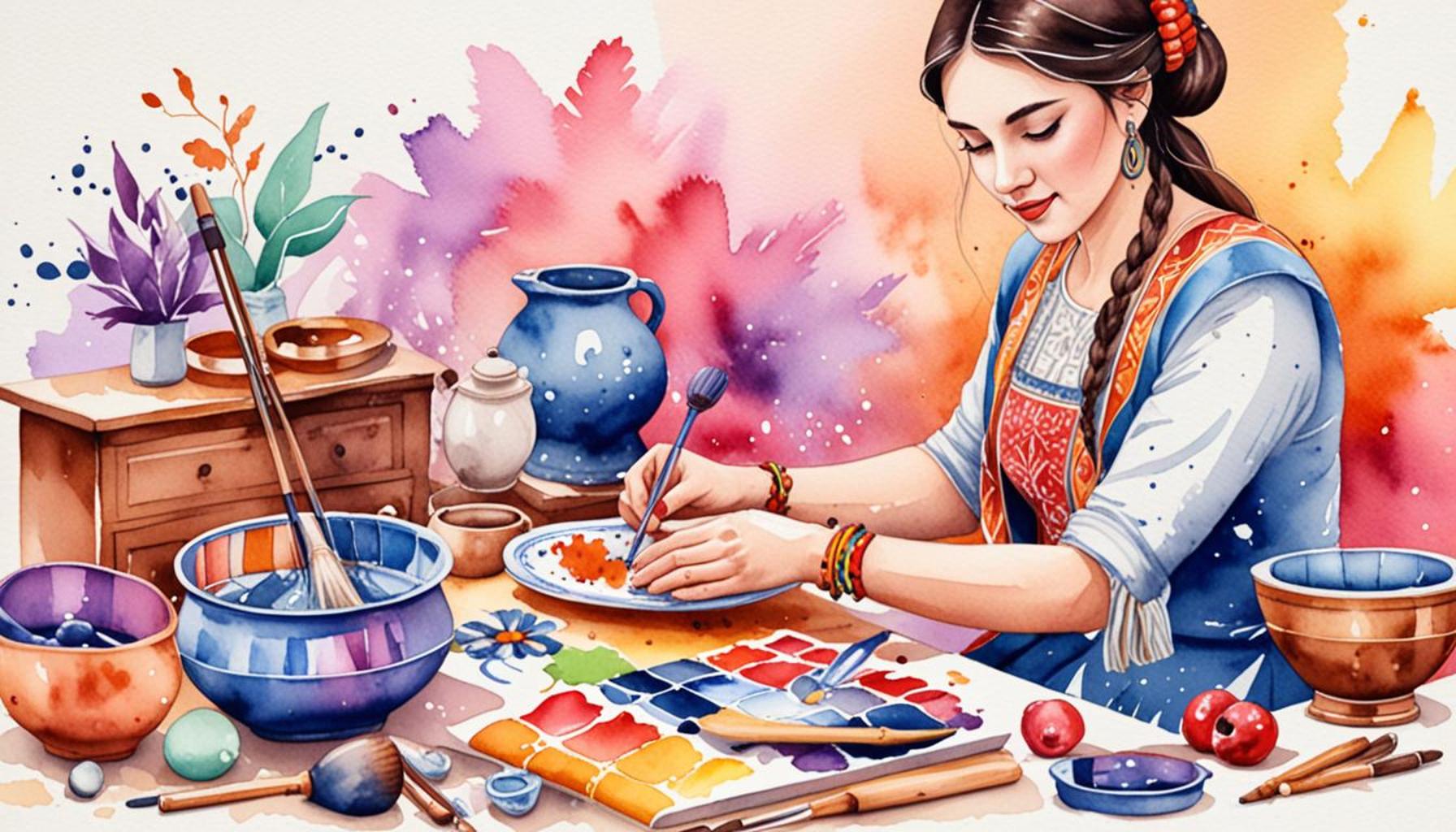
The evolution of contemporary craft skills is deeply rooted in a diverse array of cultural traditions, each contributing unique attributes that shape artistic expression today. These traditions deconstruct the intricacies and techniques that craft professionals implement, revealing how the echoes of history continue to mold modern creativity. By exploring these connections, we can appreciate the depth and significance behind various craft forms.
Techniques serve as a fundamental component of craftsmanship. Many of today’s artists employ time-honored methods that have been meticulously passed down through generations. For instance, the art of pottery in the American Southwest, particularly among Native American cultures, showcases techniques such as coiling and pit firing. These methods emphasize the importance of preserving the integrity of cultural practices while allowing for personal innovation and interpretation by contemporary potters.
Materials also play a critical role in defining crafts. Local resources not only influence the availability of raw materials but also contribute to the distinct characteristics of specific crafts. The use of clay from specific riverbeds or fibers from local plants can significantly impact both the aesthetics and functionality of the final product. In regions like the Appalachian Mountains, for example, the abundant supply of wood led to a flourishing tradition of woodworking and furniture making, which remains a vibrant aspect of local craftsmanship today.
Design elements often encapsulate rich symbolism and aesthetics that are unique to cultural identities. Crafts such as quilting among African American communities are replete with patterns and motifs that tell powerful stories of heritage and resilience. These quilts not only serve practical purposes but also function as narrative tapestries, preserving history while perpetuating cultural dialogue.
The United States is a mosaic of diverse communities, each enriching the dynamic craft scene. Indigenous art forms, particularly beadwork and basket weaving, have notably influenced contemporary designers, who draw inspiration from these ancestral practices to create modern interpretations. Additionally, the infusion of immigrant traditions introduces a wealth of unique techniques that further diversify American craft industries. For instance, the intricate art of Japanese origami has inspired a host of contemporary artists to experiment with paper crafting, yielding astonishing results that honor its origin while pushing the boundaries of modern design.

As cultural narratives evolve, they continuously interact with contemporary skills, resulting in innovative practices and exciting cross-cultural collaborations. This ongoing dialogue encourages artists to delve deeper into their identities through their craft, embracing their heritage while engaging with the diverse tapestry of global influences. As artists bridge this divide, they not only enrich the craft landscape but also inspire others to explore the stories behind the materials and methods they choose.
DIVE DEEPER: Click here to learn more
Bridging the Past and Present
The intricate tapestry of contemporary craft skills is woven together by the threads of various cultural traditions. As we step into the realm of craftsmanship today, it is essential to recognize how the past continues to inform and inspire creative expressions. Understanding the methods, materials, and aesthetics shaped by cultural heritage allows us to appreciate the richness embedded in contemporary craft movements.
Traditional methods often serve as a gateway to innovation in crafts. Skilled artisans frequently integrate age-old techniques into their work, blending history with modernity in their creations. A prime example of this fusion is seen in the resurgence of interest in traditional weaving practices among contemporary textile artists. Utilizing looms, patterns, and dyes that have been cherished by cultures worldwide, these artists produce pieces that resonate with nostalgia yet echo the design sensibilities of today.
Moreover, the role of local materials cannot be overstated. The specific resources available in a region heavily influence both the craft’s character and its execution. These materials often carry with them a historical significance that ties back to cultural identities. For example, the natural dyes derived from plants such as indigo, used widely by Native American and African American textile artists, not only provide vibrant colors but also link the craft to rich storytelling traditions and cultural pride.
The symbolism found in different craft forms adds another layer of depth. Many crafts, from woodworking to pottery, carry motifs that depict cultural beliefs, histories, or spiritual connections. In African and Caribbean communities, for instance, the motifs used in carvings or textiles often symbolize protection or good fortune, imbuing the crafted objects with a deeper meaning beyond their aesthetic appeal. As these symbols are incorporated into contemporary designs, they provoke conversations around cultural appreciation and appropriation, necessitating mindfulness and respect for their origins.
Preservation and Evolution of Craft skills
As cultural narratives are preserved and evolve, they incite a diverse array of craft skills through generational transmission and cultural exchange. An exploration of this evolution reveals that contemporary artists often draw from a multitude of sources, resulting in captivating blends of old and new. Here are a few notable examples:
- Basket weaving: While rooted in Indigenous practices, modern interpretations utilize unconventional materials such as recycled plastics, broadening the appeal and accessibility of this ancient craft.
- Kintsugi: The Japanese art of repairing pottery using lacquer dusted with gold has garnered international acclaim, influencing Western approaches to ceramics by emphasizing imperfection and the beauty of mended objects.
- Calligraphy: Traditional handwritten scripts from various cultures have experienced a revival as contemporary artists incorporate them into graphic design, showcasing a blend of tradition and innovation.
The interplay between cultural heritage and modern craftsmanship encourages dialogue among artists while enriching the creative landscape. As they delve into their heritage, these artisans not only breathe life into time-honored practices but also forge connections with a wider audience, fostering understanding and appreciation for diverse craft traditions.
| Cultural Tradition | Contemporary Craft Skills |
|---|---|
| Indigenous Weaving Techniques | Revival of traditional patterns in modern textiles, enhancing value and authenticity. |
| Ritualistic Pottery Practices | Integration of symbolic designs in ceramic arts, promoting cultural storytelling through craft. |
The rich tapestry of cultural traditions significantly shapes contemporary craft skills, as artisans draw from ancestral knowledge to create fresh expressions. Different cultural influences enrich craft practices, enabling artists to innovate while preserving their heritage. For example, traditional weaving techniques, particularly from indigenous cultures, have resurged, allowing modern textiles to resonate with authenticity and cultural significance. These revived styles do not merely replicate the past but transform it into relevant, dynamic art forms that speak to present-day audiences. Similarly, pottery influenced by ritualistic practices often incorporates symbolic designs, fostering deeper connections with stories from the past. As artisans navigate this unique blend of tradition and innovation, they cultivate a contemporary crafting landscape that continuously celebrates and evolves cultural identities. This interplay invites further exploration of how cultural frameworks can drive creative solutions in craft, highlighting the importance of cultural heritage in shape and form. How do these influences shape the understanding and appreciation of the craftsman’s work in today’s globalized marketplace?
DIVE DEEPER: Click here to discover your creative voice
The Role of Globalization and Technology
In today’s interconnected world, globalization plays a crucial role in reshaping contemporary craft skills by exposing artisans to diverse cultural influences. The ease of travel and communication fosters a collaborative spirit, allowing craftspeople to share techniques, motifs, and materials across borders. Such exchanges have led to the emergence of hybrid crafts that reflect a melting pot of traditions. For example, the decorative art of suminagashi, the ancient Japanese technique of marbling paper using ink, has found new life in the hands of American artists who blend it with modern textile designs. This creative dialogue not only preserves cultural legacies but also encourages innovation in craft practices.
The impact of technology cannot be overlooked either. In recent years, advances in fabrication technologies, such as 3D printing, have opened new avenues for traditional craft. Artists are merging traditional techniques with digital tools, creating pieces that challenge the very notion of hand-crafted work. For instance, some ceramicists employ 3D printing to produce intricate forms that would be nearly impossible to create by hand, yet finish these pieces with traditional glazes and firing techniques. This synthesis of old and new highlights how contemporary craft continues to evolve, fueled by both tradition and modern technology.
Artisan Communities and Cultural Identity
The formation of artisan communities plays a significant role in maintaining the vibrancy of cultural traditions within craft. Local organizations and cooperatives help preserve traditional skills while promoting modern interpretations. Programs focused on education and skill-building enable younger generations to learn from seasoned artisans, thus ensuring the transfer of knowledge. One such initiative can be found in New Mexico, where the Santa Clara Pueblo community emphasizes traditional pottery techniques that have been handed down for centuries, while encouraging innovation and adaptation to contemporary tastes and market demands.
Moreover, the quest for cultural identity often drives contemporary artisans to return to their roots. In the United States, many artists are exploring their heritage as a source of inspiration, often turning to the crafts of their ancestors. For instance, participants in the Native American arts movement have revived traditional beadwork and weaving patterns, infusing them with contemporary aesthetics to narrate their stories and cultural experiences. This reflection on identity not only enriches the craft but also fosters inclusivity and representation in the wider arts community.
- Social media platforms: Widely embraced by artisans, these platforms have become channels for showcasing and selling crafts, enabling cultural stories to reach global audiences.
- Online marketplaces: Platforms such as Etsy allow artisans to market their handcrafted goods, connecting them with consumers interested in supporting cultural heritage and handmade creations.
- Online workshops: Virtual classes allow both aspiring and experienced crafters to learn from masters across the globe, fostering cultural exchange while maintaining traditional practices.
As artisans continue to navigate the delicate balance between preserving cultural traditions and embracing innovation, contemporary craft skills evolve in remarkable ways. This ongoing journey highlights the resilience of cultural heritage while inviting new perspectives, thus enriching the landscape of craftsmanship in an ever-changing world.
DISCOVER: Click here to enhance your crafting skills
Conclusion
The intricate tapestry of cultural traditions serves as a foundational element in shaping contemporary craft skills, fostering both continuity and change. As artisans embrace their heritage, they not only preserve age-old techniques but also breathe new life into them through personal expression and innovation. The interplay between traditional practices and modern influences, whether through globalization or technological advancements, enriches the craft landscape in profound ways. By drawing from a melting pot of cultural narratives, craftspeople are creating pieces that resonate with contemporary audiences while honoring their roots.
Moreover, the role of artisan communities cannot be understated. These collaborative groups not only serve to educate and inspire the next generation but also cultivate a sense of shared identity and purpose among artisans. As the younger generations learn from their predecessors, they weave their unique perspectives into the fabric of traditional crafts, thus ensuring their evolution in a globalized world. This dynamic relationship between tradition and innovation encourages a newfound appreciation for handmade artistry, promoting sustainability and cultural representation.
As we journey further into the 21st century, it becomes clear that the dialogue between cultural heritage and contemporary craftsmanship is more vital than ever. By supporting this vibrant exchange, we contribute to a cultural landscape that celebrates diversity and skill. For those interested in the world of crafts, whether as artisans, consumers, or enthusiasts, exploring this intersection between the past and present promises a deeper understanding and appreciation of the rich traditions that shape our everyday lives.