The Influence of Performing Arts on Pop Culture and Media
Unpacking the Vibrant Influence of Performing Arts
The vibrant world of performing arts has long been a catalyst for change, shaping not just artistic expression but also influencing social norms, cultural perspectives, and community values. From the emotional punch of a live theater production to the electrifying atmosphere of a concert, these artistic modalities leave a significant imprint on popular culture and media. Notably, performances do not exist in a vacuum; they intently mirror and inform the zeitgeist, resonating within various spheres of daily life.
Consider the relationship between the performing arts and film and television. The influence is profound. Iconic theatrical performances often set a precedent for the types of characters portrayed on screen. For instance, the nuanced storytelling found in Broadway’s “Hamilton” has sparked a greater exploration of historical figures in cinema, showcasing how dramatic performances influence scripts, acting styles, and storytelling techniques in remarkable ways. Shows like “Glee” have also demonstrated how live performance can revitalize musical interest in younger generations, inspiring countless remakes and covers across various platforms.
When it comes to music, the cross-pollination is equally influential. Genres such as hip-hop emerged not only from the streets but also from theatrical expressions that combined storytelling and rhythm. Legendary performances, like those by artists such as Beyoncé or Kendrick Lamar during award shows, have shaped new trends, both musically and culturally, impacting how artists convey their messages through performance art. The evolution of many genres owes much to these theatrical roots, fueling conversations about identity and experience.
The impact extends into the realm of fashion as well. Styles showcased during performances often dictate trends within the broader fashion industry. Designers often collaborate with performers to create stunning visual spectacles that complement the music or story being told. Icons like Lady Gaga and David Bowie have not only influenced the music scene but have also left an indelible mark on contemporary fashion, encouraging fans to embrace self-expression through their wardrobes.
In addition, the intermingling of arts and technology has revolutionized audience engagement, particularly in the United States. The advent of digital streaming platforms, alongside social media, has enabled artists to reach audiences beyond live events, fostering a sense of belonging and community. For instance, a virtual concert can connect thousands of fans globally, while simultaneously crafting a localized experience through shared narratives and conversations in chat rooms or social media threads. This shift in engagement raises important questions: How are the performing arts redefining cultural narratives? What role do these expressions play in shaping public opinion and societal values?
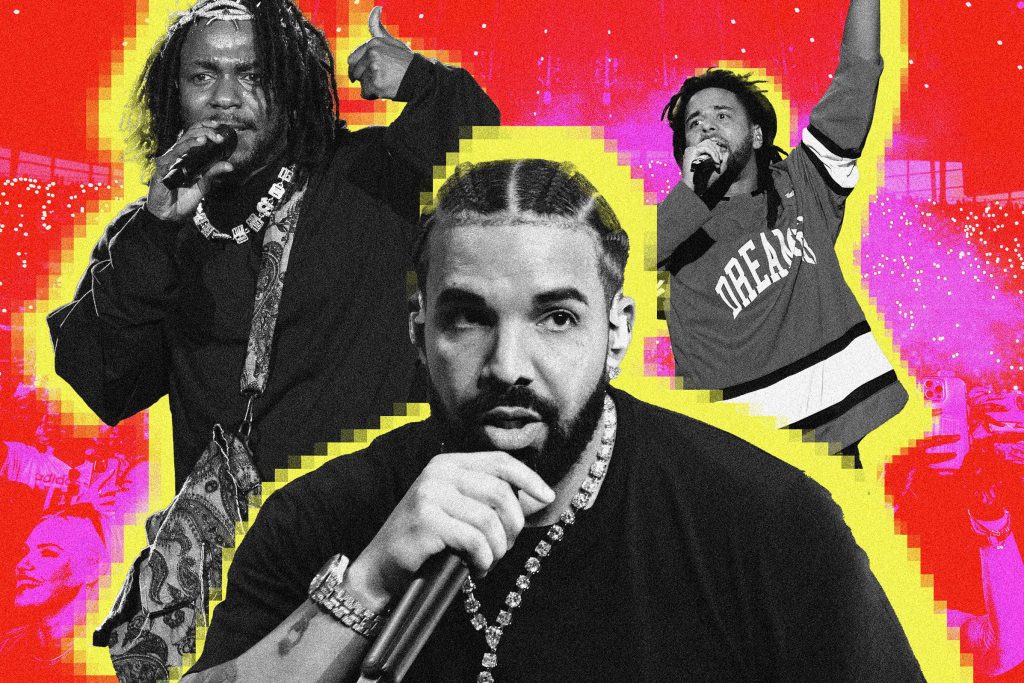
As we navigate this intricate network of connections, it becomes clear that music, dance, and theater are deeply interwoven with everyday life, creating a rich tapestry of cultural expression that not only entertains but also informs and inspires. Audiences are invited to journey through the transformative power of the performing arts, uncovering the unique ways in which they resonate with identities and communities across the United States and beyond.
DIVE DEEPER: Click here to learn more
The Performing Arts Landscape: Cultivating New Narratives
The performing arts serve as a dynamic platform for storytelling and cultural expression, wielding a considerable influence over modern pop culture and media. At the core of this relationship lies the ability of the arts to shape societal narratives and reflect the complexities of contemporary life. Each artistic endeavor, whether it be a Broadway production, a live concert, or a dance performance, contributes to an evolving dialogue that resonates with audiences across diverse demographics.
One salient aspect of this influence is the portrayal of social issues through performing arts. Productions that address topics such as race, gender, and identity not only resonate within theater walls but also spark broader conversations in mainstream media. Take for instance Lin-Manuel Miranda’s “Hamilton”, which reinterprets American history through a modern lens, igniting discussions about race and representation. Its success has inspired a wealth of artistic works that seek to challenge traditional narratives and bring marginalized voices into the spotlight. This phenomenon exemplifies how performing arts act as a mirror, reflecting contemporary societal issues while molding public discourse.
Moreover, the collaboration between art forms within the performing arts sphere creates opportunities for innovation and reinvention. While we often associate musical numbers with theater, their incorporation into film and television has transformed the viewing experience. Consider the rise of film adaptations of successful musicals, such as “Dear Evan Hansen” or “The Greatest Showman”, which blend visual storytelling with musical performance, attracting audiences who may not typically be drawn to live theater. This cross-pollination of formats underscores the significant role that performing arts play in defining media trends.
- Increased reach and accessibility: Streaming platforms now enable performances to transcend geographical boundaries, allowing international audiences to access shows they might never see in person.
- Generational influence: Young artists increasingly draw inspiration from viral trends on platforms like TikTok, where dance routines and music covers frequently emerge as cultural phenomena.
- Social movements: Many contemporary performances actively engage with ongoing social movements, resulting in art that is not only entertaining but also relevant and resonant within the current socio-political climate.
The intersection of performing arts and cultural expression also manifests through events such as awards shows and music festivals. Events like the Grammy Awards have become platforms for statements on social justice and representation, showcasing performances that resonate deeply with current societal movements. Artists use these high-profile stages to advocate for change, using their visibility to bring attention to pressing issues. From Beyoncé’s political performances to the #MeToo movement’s spotlight at the Oscars, these instances evidence how the performing arts can drive change in the pop culture landscape.
In exploring these dimensions, it becomes evident that performing arts do more than entertain. They catalyze crucial conversations, challenge norms, and cultivate a culture that is constantly evolving. The vibrant, interwoven fabric of the arts within societal discourse underscores their remarkable Power, pushing us to contemplate how cultures bleed into one another and shape our collective understanding and appreciation of the world around us.
| Category 1 | Category 2 |
|---|---|
| Cultural Integration | Performing arts foster a connection across diverse cultures, enhancing mutual understanding. |
| Innovation in Media | The influence of theatre, dance, and music leads to fresh and dynamic content creation in films and television. |
The realm of performing arts significantly shapes and colors the landscape of pop culture and media. For instance, countless films are adapted from stage productions, showcasing the impact of storytelling through dramatic performances. The emotional depth conveyed by actors on stage often translates seamlessly into compelling performances on screen, inviting audiences to connect with characters on various levels. Additionally, live performances create an immersive experience that feeds directly into the media narrative, enhancing viewer engagement.Moreover, the fusion of performing arts into mainstream media has encouraged cross-genre collaborations. Artists from diverse backgrounds bring unique perspectives, resulting in groundbreaking work that transcends traditional boundaries. This integration compactly showcases how dance, music, and theatre might remix the cultural fabric of society, making it accessible to broader audiences. Through festivals, social media platforms, and community events, performing arts continue to provide a rich tapestry woven with threads of innovation and creativity that reinvigorates pop culture globally.
DISCOVER MORE: Click here to dive into therapeutic writing activities
The Heartbeat of Cultural Shifts: Reimagining Influences
The relationship between the performing arts and pop culture is not merely a one-way street; it is a vibrant exchange that continuously shapes and redefines both realms. A key area of this influence lies in the role of diverse voices in the performing arts, which actively contributes to the representation and inclusivity that audiences now demand in media and popular culture. The casting of actors from various backgrounds in major productions—such as the recent revival of “West Side Story” or the multi-cultural cast of the Broadway hit “Moulin Rouge!”—not only enhances the authenticity of narratives but also encourages media industries to embrace diversity in their casting and production decisions. This growing trend reflects a societal shift towards a more inclusive understanding of storytelling.
Social media has also played an integral part in amplifying these changes. Platforms like Instagram, TikTok, and Twitter serve as not only promotional tools for artistic works but also as stages for grassroots movements. Performers use these platforms to share their artistic processes, promote their work, and connect directly with audiences, facilitating a sense of communal engagement that was previously unattainable. For instance, the viral success of dance challenges on TikTok has led to a resurgence in popularity for genres such as contemporary dance and hip-hop, urging music and media producers to integrate dance as a core component of advertising and promotional strategies.
The influence of performance art on critical social dialogues is particularly vital in contemporary America. The immersive theatre experience, which invites audiences to actively participate in the narrative, has gained traction in recent years, effectively turning passive viewers into engaged participants. Productions such as the Tony Award-winning “Sleep No More” and the emotionally charged “Dear Evan Hansen” have redefined how stories can be told, and how deeply they can resonate with individuals. Such engagement leads to stronger emotional connections, prompting resilience in the way stories are crafted and shared within media narratives.
- Reinvention of genres: The blending of genres across performing arts enhances creativity, seen in projects like “Hamilton,” which marries hip-hop and historical narrative to create a groundbreaking theatrical experience.
- Education and awareness: Performing arts campaigns, such as “Theatre in a Box,” bring critical discussions of mental health to schools, demonstrating the arts’ role in public education and individual empowerment.
- Digital performance: The pandemic accelerated the evolution of virtual performances, with platforms like BroadwayHD allowing audiences to experience plays and musicals from the comfort of their homes, highlighting the ongoing adaptation of performing arts to meet audience needs.
This continuous interplay between the performing arts and pop culture nurtures an ecosystem rich in artistic exploration and public dialogue. From revivals of classic works through a modern lens to groundbreaking collaborations across diverse artistic mediums, the performing arts channel societal currents into mainstream conversations. As audiences demand authenticity and representation in the narratives they encounter, the arts must evolve in tandem, ensuring that they not only reflect cultural shifts but actively contribute to their momentum.
DIVE DEEPER: Click here to discover innovative techniques
Bridging the Gap: The Future of Artistic Influence
In conclusion, the influence of performing arts on pop culture and media is profound and continuously evolving, serving as both a reflection and a driver of societal changes. The embracing of diverse voices within the arts not only enriches narratives but fosters a demand for broader representation across all forms of media. As productions increasingly prioritize inclusivity, they are not just responding to existing trends but are shaping the future landscape of entertainment.
Moreover, the power of social media has transformed how audiences engage with performing arts, allowing for real-time feedback and interaction that fuels creative evolution. Platforms like TikTok do not merely promote performances; they create cultural phenomena that see dance, music, and theatrical forms being reimagined and reinvigorated for modern audiences.
The impact of immersive experiences and new genres, such as seen in productions like “Hamilton,” highlights a growing appetite for innovative storytelling that resonates emotionally. As issues such as mental health are brought into the conversation through artistic initiatives, the performing arts emerge as a vital tool for community dialogue and education.
As we look ahead, it is clear that the interplay between performing arts and pop culture will only deepen, with each inspiring the other to new heights. In a world that insists on authenticity, the responsibility lies with both artists and media conglomerates to ensure that the narratives they present honor the diversity and complexity of the society we live in. This dynamic relationship will continue to be the heartbeat of cultural shifts, paving the way for an even more interconnected and vibrant landscape in the arts.