The Influence of Social Media on Independent Musicians: Building a Brand and Community Online
Introduction to the Digital Music Revolution
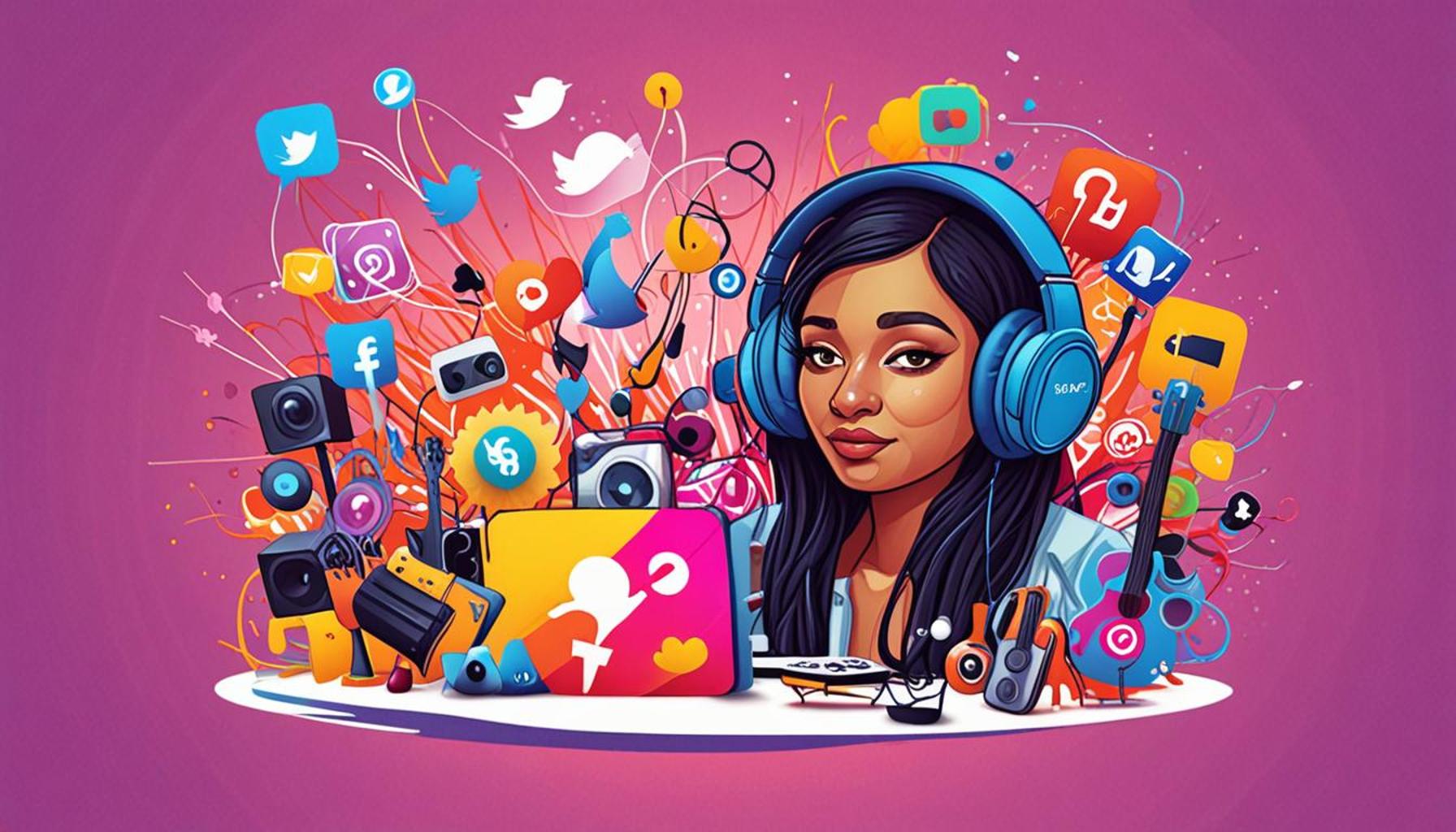
In today’s digital age, independent musicians have transformed the way they connect with audiences. Social media platforms offer unprecedented opportunities for artists to engage with fans, build their own brands, and foster vibrant communities. From Instagram to TikTok, the influence of social media is reshaping the music industry.
The advantages are clear:
- Direct Engagement: Musicians can interact with followers through live streams, direct messages, and comments. This interaction not only allows artists to receive instant feedback on their music but also helps to create a more personal relationship with fans. For example, many artists host Q&A sessions or intimate live performances on platforms like Instagram Live, making fans feel valued and included in the creative process.
- Creative Marketing: Artists have the freedom to showcase their unique personality and style in content shared online. Platforms like TikTok have popularized trends where musicians can create catchy snippets of their songs that might go viral. This kind of creative marketing often leads to a surge in streaming numbers and new fans.
- Access to a Global Audience: Social media breaks down geographical barriers, granting exposure to international fans. Independent artists can share their music without relying on traditional media channels, reaching listeners from various backgrounds and cultures. For instance, a small-town band in the United States can gain followers in Europe just by posting a music video on YouTube.
Additionally, successful independent musicians often utilize a strategic approach to amplify their presence:
- Consistent Branding: Establishing a cohesive image and voice across platforms is essential for recognition. Musicians like Lizzo and Khalid have successfully maintained visual and thematic consistency in their branding, creating memorable identities that resonate with their audiences.
- Engagement Strategies: Actively participating in conversations while sharing behind-the-scenes content can further enhance an artist’s connection with fans. This may include sharing not just music, but personal stories, challenges faced, and milestones achieved, allowing fans to invest emotionally in the artist’s journey.
- Collaborations: Partnering with other artists and influencers to expand their reach can often elevate an independent musician’s profile. Collaborations can introduce them to new audiences, as seen with Billie Eilish collaborating with established producers or other rising stars, creating a mutually beneficial scenario where both parties gain exposure.
As the music landscape evolves, understanding how to navigate social media is crucial for independent musicians. This article delves into the various ways artists can harness these platforms, examining successful case studies and uncovering strategies for building a brand and a community online. By leveraging the right tools and approaches, independent musicians can significantly enhance their visibility in an ever-changing industry.
DISCOVER MORE: Click here to unleash your creative potential
Harnessing Social Media for Brand Building
The explosion of social media has opened up a plethora of paths for independent musicians to create and solidify their brands. No longer are artists confined to traditional avenues of promotion and marketing; instead, they can take charge of their narratives through engaging content and consistent interaction with fans. The effectiveness of these platforms has elevated the significance of personal branding in the music industry, enabling musicians to present themselves as creators with unique stories and voices.
To effectively build a brand online, independent musicians can leverage a variety of strategies:
- Content Creation: Artists have the ability to produce original, authentic content that reflects their music and personal experiences. Whether it’s sharing songwriting snippets, rehearsal footage, or candid moments from their daily lives, musicians can use platforms like Instagram and TikTok to paint an engaging picture of who they are. These glimpses into their lives create a more intimate understanding between the artist and the audience, building loyalty and excitement around upcoming releases.
- Engaging Visuals: The role of visuals in content cannot be overstated. High-quality photos, eye-catching videos, and creative aesthetics all contribute to a musician’s online presence. Strong visual branding helps to create an immediate connection and leaves a lasting impression on potential fans. Consider how artists like Ariana Grande maintain distinctive looks and styles that resonate across their promotional material, making them instantly recognizable.
- Utilizing Multiple Platforms: Different social media platforms attract varied demographics and audiences. Effective musicians often tailor their content to fit the style and format of each platform. For instance, while TikTok might be great for short, catchy clips that can go viral, platforms like Facebook or YouTube serve as excellent venues for more in-depth storytelling or full performances. Understanding the nuances of each platform can amplify musicians’ visibility and engagement.
Moreover, the collaborative nature of social media presents a unique advantage for independent musicians. By networking online and forming alliances with other artists and influencers, they can tap into shared audiences. These collaborations don’t only enhance reach but can also spark new creative ventures, from co-writing songs to joint live performances, further enriching their artistry.
In addition to establishing a strong brand, social media plays a critical role in cultivating an engaging community around an artist’s music. This community can become a loyal fan base that actively advocates for the musician, promoting their work through word of mouth, shares, and personalized content. The sense of belonging that artists foster within their communities can be incredibly powerful, ensuring that fans feel more than just passive listeners; they become part of the artist’s journey.
To maximize their potential in the digital landscape, independent musicians must not only develop their brand identity but also nurture the communities they build. In the following sections, we will explore specific case studies and examine strategies that have proven successful for artists navigating the social media landscape. Through these insights, aspiring musicians can uncover the keys to thriving independently in an increasingly competitive environment.
The Digital Landscape for Independent Musicians
The digital landscape offers independent musicians unprecedented opportunities to build their brands and foster communities. Social media platforms like Instagram, TikTok, and Twitter have transformed the way artists engage with their fans. For independent musicians, harnessing the power of these platforms is not just beneficial; it is essential for survival in an industry that is increasingly competitive. The ability to share music, promote events, and receive real-time feedback allows artists to create a deeper connection with their audience. This dynamic engagement helps musicians understand their fanbase, thereby making content that resonates deeply.Moreover, social media serves as a cost-effective marketing tool. Independent artists no longer need a record label to access commercial platforms; they can reach potential listeners directly. The virality of content can turn a simple post into a global sensation overnight, proving that a well-crafted video or meme can eclipse traditional marketing strategies. By continuously adapting to trends and utilizing effective hashtags, musicians can increase their visibility and attract new followers.Community-building goes beyond product promotion; it involves sharing personal stories, behind-the-scenes glimpses, and interactive content such as Q&A sessions, live streams, and polls. This transparency fosters authenticity, which is one of the key traits fans seek in independent musicians. When an artist opens up about their journey, challenges, and successes, it creates a relatable narrative, building loyalty among fans. Through social media, musicians can cultivate a sense of belonging that mirrors the traditional fan clubs of past decades but in a more immediate and engaging format.Significantly, social media offers tools for monetization beyond record sales. Platforms like Patreon provide artists with the means to receive direct support from their fans, allowing for sustainable income models. Moreover, through collaborations and partnerships with brands, independent musicians can explore various avenues for income generation, encompassing sponsorships, merchandise sales, and even crowdfunding for future projects.The influence of social media on independent musicians is profound and growing. The ability to craft a unique digital identity, cultivate an engaged community, and explore innovative monetization strategies equips independent artists with the tools to thrive in an ever-evolving musical landscape. To learn more about effectively utilizing social media for brand building and community engagement, explore additional resources, and become part of this digital music revolution.
| Category 1 | Category 2 |
|---|---|
| Enhanced Engagement | Direct Interaction: Engaging with fans through comments, messages, and polls increases loyalty. |
| Cost-Effective Marketing | Viral Potential: A single post can capture widespread attention, promoting growth without substantial costs. |
| Community Building | Authenticity: Sharing personal stories fosters deeper connections and encourages fan loyalty. |
| Monetization Options | Diverse Income Streams: Crowdfunding and sponsorships create sustainable revenue beyond music sales. |
The impact of social media on independent musicians opens doors to innovative practices and engagement strategies that were once unimaginable. By embracing this digital era, artists not only enhance their artistic outreach but create inclusive spaces where fans feel an integral part of the musical journey.
DISCOVER MORE: Click here to enhance your crafting skills
Connecting with Audiences and Fostering Community
The power of social media extends beyond mere branding; it fundamentally reshapes how independent musicians connect with their audiences. In this era of instant communication, musicians can engage directly with fans, receiving immediate feedback and fostering a sense of community that was previously elusive. This meaningful interaction transforms passive listeners into active participants in an artist’s journey, thereby enriching the fan experience.
One of the most effective ways to cultivate a community is through live streaming. Platforms like Twitch, Instagram Live, and Facebook Live enable musicians to perform in real-time while interacting with their followers. This real-time engagement fosters a deeper connection, allowing fans to ask questions, request songs, and share their thoughts. The living room concert experience, facilitated through social media, bridges the gap between artists and their fanbases, making them feel like integral parts of each performance.
Additionally, musicians can utilize social media to create exclusive content aimed at their most dedicated fans. Through membership platforms such as Patreon, artists can offer behind-the-scenes content, early access to new music, or even personalized merchandise. This exclusivity not only incentivizes followers to support the artist financially but also enhances the loyalty of those who feel they are gaining unique insights into the artist’s creative process. A perfect example of this can be seen with independent artists like Amanda Palmer, who has successfully built a loyal community through direct fan engagement and exclusive offerings.
Furthermore, the importance of storytelling cannot be overlooked. Social media platforms thrive on relatable content, and musicians can use these channels to share their personal narratives, inspirations, and struggles. Artists such as Lizzo have utilized platforms like Twitter and Instagram to discuss their own journeys, addressing topics ranging from body positivity to mental health. By sharing vulnerabilities and triumphs, they create deeper emotional connections with their audiences, fostering a supportive community that extends beyond just music.
Social media also enables musicians to amplify social causes and engage in meaningful activism. This activism allows independent artists to align their brand with relevant movements in a way that is authentic and impactful. For example, the rise of the #BlackLivesMatter movement saw musicians like H.E.R. and Chance the Rapper using their platforms to speak out, raising awareness and funds for important causes. By standing up for something in line with their values, musicians not only enhance their brand but also galvanize their audiences to take action.
Finally, analytics play a key role in shaping a musician’s engagement strategies. Utilizing social media metrics, artists can gain valuable insights into which types of content resonate most with their followers, guiding future posts and interactions. Understanding audience demographics, peak engagement times, and the effectiveness of different content types empowers independent musicians to refine their approach, ultimately leading to improved community engagement.
With these strategies, independent musicians can effectively harness the power of social media to not only build a strong brand but also cultivate a dedicated community. As they continue to traverse the digital landscape, artists must remain adaptable, continuously evolving their strategies to maximize both their reach and the connections they foster with their fans.
DISCOVER MORE: Click here to unleash your creativity
Conclusion: The Digital Era of Music and Community Building
The landscape of independent music has been profoundly transformed by social media, enabling artists to not only build their brands but to cultivate dedicated communities. As musicians leverage platforms for direct interaction, they engage audiences on deeper levels, transforming the fan-artist dynamic into a mutually beneficial relationship. The emergence of live streaming and exclusive content offerings underscores the importance of real-time interaction and personalized engagement, creating a sense of belonging among followers.
Moreover, the effective utilization of storytelling allows independent musicians to connect through shared experiences, turning unique narratives into relatable content. This builds emotional resonance while fostering communities that extend beyond mere music appreciation. Furthermore, by aligning with social causes and employing strategic activism, musicians not only enhance their personal brands but also inspire a sense of purpose within their fanbases.
As the digital world continually evolves, artists must remain vigilant, utilizing analytics and engagement metrics to refine their approaches. In understanding their audience, musicians can better tailor their content, ensuring their messages resonate effectively. Ultimately, social media is not just a tool—it’s a vital component of an independent musician’s toolkit, enabling them to thrive in an ever-changing industry and to nurture authentic connections with their fans.
In this era of digital interaction, the potential for independent musicians is limitless, and those who embrace the nuances of social media will undoubtedly find themselves at the forefront of a community-driven renaissance. Embrace the shift, explore the digital platforms, and discover the myriad ways to forge genuine connections in the vibrant world of independent music.