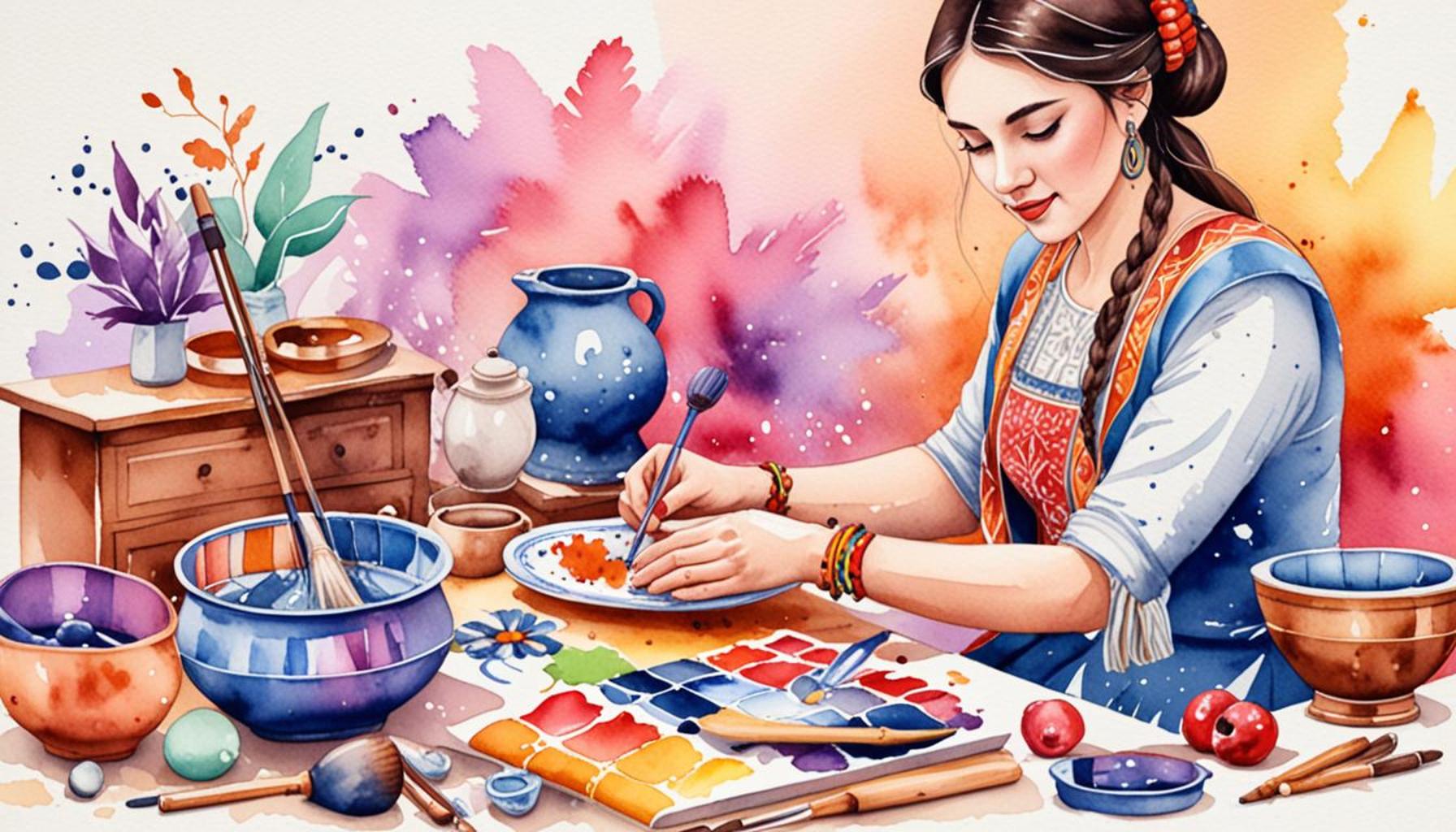
The role of craftsmanship in preserving ancestral techniques: a look at the past and the future
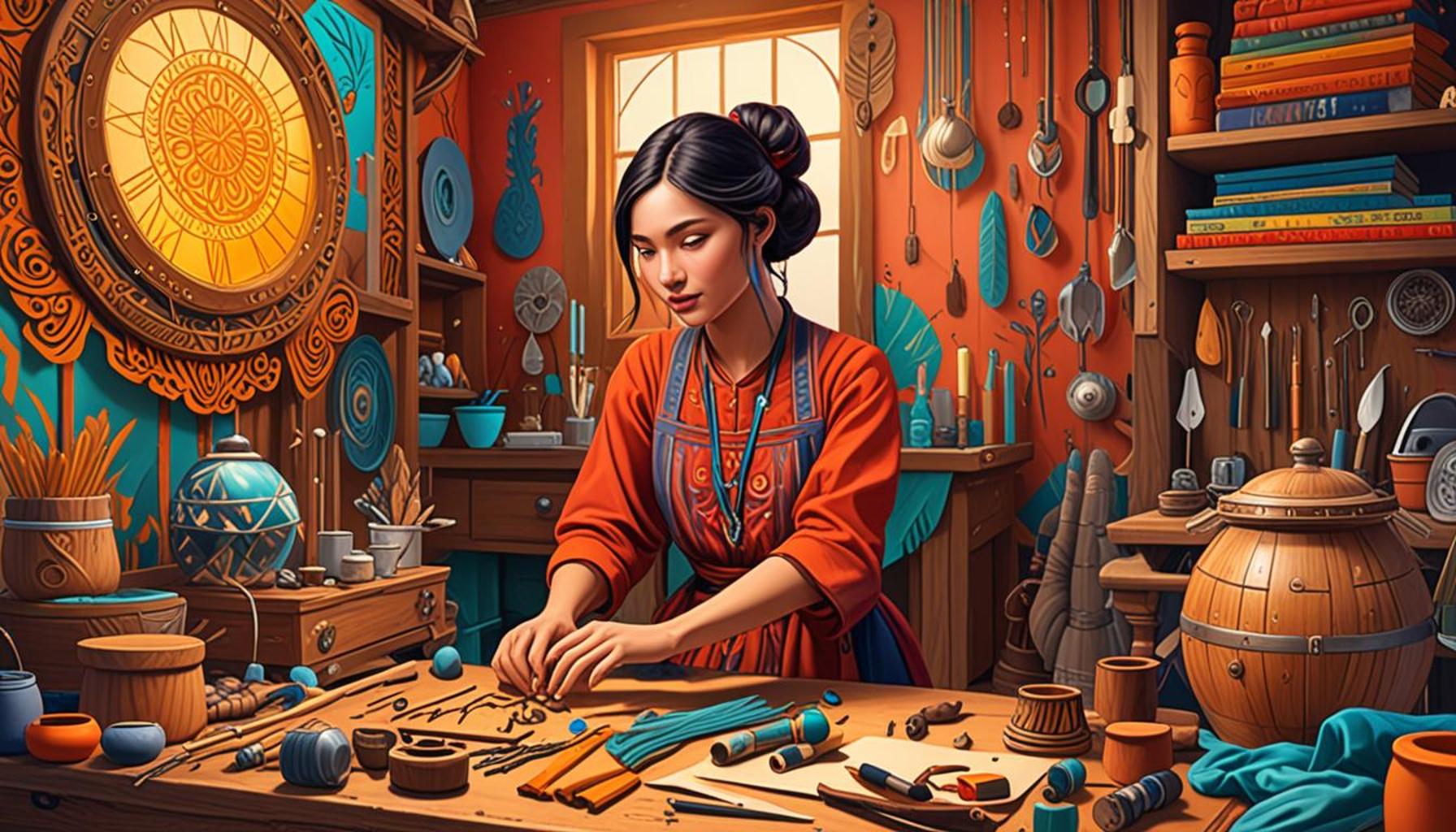
The Role of Craftsmanship in Cultural Heritage
Craftsmanship has always served as a bridge, connecting the talents of artisans from previous generations to those in the modern world. This connection not only preserves ancestral techniques, but it also plays a vital role in shaping cultural identity. Each handcrafted item tells a story, reflecting the unique narratives and values of its originators. Such artistry is not just a means of production; it is a cultural echo of shared human experiences.
Historical Significance
Many crafting techniques can be traced back to indigenous roots, where artisans infused their work with cultural meaning and significance. For instance, Native American pottery often reflects the community’s spiritual beliefs and the natural world, showcasing techniques that have been perfected over centuries. Each piece carries with it a legacy and a testament to the existence of a rich cultural narrative that needs to be recognized and preserved. Moreover, techniques like Japanese sword-making, renowned for their precision and artistry, highlight the careful balance between craftsmanship and spiritual philosophy.
Modern Relevance
In our increasingly digitalized society, the demand for handcrafted items has seen a remarkable resurgence. Consumers are embracing the notion of authenticity—the idea that items with a human touch can offer more than mass-produced goods. This is evident in markets such as Etsy, where artisans sell handmade products directly to consumers who cherish the backstory and skills behind each piece. The artisanal movement reflects not just a trend, but a cultural shift towards valuing the personal touch, evident in everything from handmade furniture to artisanal foods.
Environmental Impact
Traditional crafting methods often promote sustainable practices that stand in stark contrast to modern mass production. For example, many artisans prioritize local materials, reducing carbon footprints and supporting local economies. The use of organic dyes and pollution-free techniques in textile arts not only results in beautiful fabrics but also fosters environmental stewardship. Such practices are essential for promoting not only creativity but also a responsible approach to resource utilization.
Innovation Through Craftsmanship
The future of craftsmanship is poised at the crossroads of tradition and innovation. Artisans are increasingly integrating modern technology with age-old practices to create new avenues for expression. Techniques such as using 3D printing to replicate traditional designs allow artists to blend time-honored aesthetics with cutting-edge technology. Furthermore, the rise in the use of recycled materials in crafts not only minimizes waste but also conveys inspiring messages about reuse and sustainability. The internet has empowered artisans by providing platforms to showcase their work globally, reaching wider audiences and fostering community through shared values.

As we navigate the evolving landscape of craftsmanship, it is essential to appreciate its impact on identity and sustainability. The artistry of craftsmen and women serves as a reminder of the rich tapestry of human culture and the importance of preserving these valuable traditions for future generations. By exploring the intricate relationship between craftsmanship and culture, we invite a deeper understanding of how these practices continue to shape our collective identity.
DIVE DEEPER: Click here for therapeutic writing techniques
Unearthing Ancestral Techniques
To comprehend the role of craftsmanship in preserving ancestral techniques, one must first appreciate the rich history behind these practices. Artisanship has historically been a vital form of cultural expression, embodying the values and skills passed down through generations. When we talk about ancestral techniques, we delve into a treasure trove of knowledge that reflects the lifestyle, beliefs, and experiences of our forebears. These methods were not merely tools for creation but gateways to connecting with our past.
In many cultures, these time-honored practices were essential for survival. Indigenous tribes, for instance, developed techniques in weaving, pottery, and woodworking that were both utilitarian and aesthetic. The unique techniques used in creating Southwestern Native American rugs, for example, are interwoven with stories from the land and the community’s way of life. The intricate designs often symbolize natural elements or spiritual beliefs, showcasing how deeply entrenched craftsmanship is in cultural identity.
Impact on Local Communities
Furthermore, local communities benefit significantly from the preservation of ancestral craftsmanship. By supporting artisans who meticulously practice these techniques, communities foster a sense of pride and continuity. The artisans not only cultivate their craft but also enhance local economies by:
- Providing employment opportunities that keep traditional skills alive.
- Encouraging the tourism sector by attracting visitors interested in authentic cultural experiences.
- Empowering artisans to share their heritage, thus promoting understanding and appreciation of the local culture.
Communities across the United States, from the Appalachian Mountains to the coastal regions of California, showcase the richness of craftsmanship through artisans who uphold traditional methods. The revival of woodcraft in Kentucky’s Appalachian region, for instance, illustrates how local craftsmen are sustaining not only their livelihoods but also the history of their surroundings. This cyclical relationship between craftsmanship and community ultimately creates a living archive of skills that can be passed on to the next generation.
Craftsmanship as Cultural Preservation
Additionally, the preservation of techniques tied to craftsmanship acts as a bulwark against cultural homogenization, providing a counter-narrative to the globalized market dominated by mass production. As consumers increasingly prioritize handmade goods over factory products, they are essentially voting for the sustainability of cultural practices. The rise of platforms like Etsy enables artisans to showcase their talents and stories, helping to cultivate an appreciation for the artistry behind each creation.
In an age marked by rapid technological advancements, the stories behind handcrafted items remind us of our history, values, and identity. These singular pieces can spark conversations about heritage, creativity, and the significance of maintaining traditions in a fast-paced world. As we delve deeper into both the past and future of craftsmanship, it becomes increasingly evident that these ancestral techniques are not just relics; they are living, breathing elements that shape our present and inform our future.
The Value of Craftsmanship in Contemporary Society
Craftsmanship plays a pivotal role in preserving ancestral techniques, acting as a bridge between the past and the present. By honing traditional skills and materials, artisans not only keep ancient practices alive but also inject them with contemporary relevance. This blend of old and new fosters cultural identity and continuity, ensuring that the narratives behind these techniques are not lost to time. Moreover, as consumers increasingly seek authenticity, the demand for handcrafted goods is on the rise. A growing number of people are understanding the value of buying handmade items over mass-produced alternatives. This trend supports local economies and encourages artisans to thrive, allowing for the revival of endangered crafts that might otherwise fade away.Innovation in craftsmanship has also led to the integration of sustainable practices. In many cultures, artisans are meticulously reviving eco-friendly methods that respect natural resources and heritage. As we navigate a future dominated by technology, craftsmanship invites us to slow down and appreciate the skill involved in creating unique, quality items. The circular economy, which emphasizes reuse and repair, aligns with the principles of traditional craftsmanship, making it more relevant than ever.As we delve further into the significance of craftsmanship, it is evident that it does more than just preserve history; it engages communities and inspires future generations. Education initiatives worldwide are being established to teach young people ancestral techniques, ensuring that these skills can flourish in new hands. These programs highlight the importance of storytelling linked to craftsmanship, where each piece crafted carries a narrative echoing its origins.The future of craftsmanship, thus, rests not only on setting trends in materials and techniques but also in revitalizing a sense of purpose and connection to the past. By supporting artisans, we uphold cultural heritage while embracing a forward-thinking approach to sustainable practices. Through this lens, craftsmanship emerges as not just an art form but a vital component in the broader discussion on cultural preservation and innovation.
| Advantages | Description |
|---|---|
| Cultural Preservation | Craftsmanship ensures the transmission of traditional skills and stories across generations. |
| Economic Support | Handmade goods bolster local economies, providing livelihoods for artisans and supporting sustainable practices. |
Through these discussions, it becomes apparent that valuing craftsmanship not only serves to safeguard our heritage but also ignites a passion that propels us toward a more sustainable and culturally enriched future. The preservation of these ancestral techniques is as critical today as it has ever been, demanding our attention and commitment to ensure that they flourish.
DISCOVER MORE: Click here to learn about the power of manual skills
Cultural Identity and Global Connectivity
The role of craftsmanship in preserving ancestral techniques extends beyond local communities; it significantly contributes to cultural identity on a global scale. As people traverse different continents and cultures, they often encounter a melting pot of traditions, each defined by its unique craftsmanship. These intricate skills provide an avenue through which cultures communicate and share their distinct histories. For instance, the Japanese art of kintsugi, which involves repairing broken pottery with lacquer infused with gold, demonstrates a profound philosophy that emphasizes embracing imperfections. This technique encapsulates the spirit of appreciating the past while creating something uniquely beautiful in the present. Similarly, the revival of traditional textile techniques in Guatemala, such as back strap weaving, not only preserves indigenous methods but also enables artisans to share their cultural narratives worldwide.
The global marketplace now plays an active role in elevating these traditional crafts, allowing artisans to market their products to an international audience. The growth of e-commerce has proved transformative, opening doors for artisans in remote locations to showcase their crafts on platforms like Etsy, Amazon Handmade, and social media. As consumers become more conscious of their purchasing habits, they actively seek authentic items that tell a story, ensuring that ancestral techniques endure. This demand for handcrafted goods prompts artisans to perfect their skills while remaining true to their cultural heritage.
The Educational Impact of Craftsmanship
Educating the next generation about the significance of craftsmanship can serve as a powerful vehicle for preserving these ancestral techniques. Comprehensive educational programs, workshops, and community initiatives focused on traditional crafts not only provide skill-building opportunities but foster appreciation among young learners for their cultural heritage. In museums and community centers across the United States, the revival of craftsmanship courses, such as blacksmithing, ceramics, or needlework, exemplifies the dedication to ensuring that these techniques do not fade into obscurity.
Organizations such as the American Craft Council play a strategic role in these endeavors, organizing events and classes that connect artisans with eager learners. By empowering individuals to take part in the craft, the threads of cultural identity weave tighter, creating communities that celebrate both their past and future. Furthermore, programs that pair master artisans with apprentices facilitate an invaluable mentorship experience, ensuring that the nuanced techniques of craftsmanship are not only practiced but appreciated.
The Future of Craftsmanship
As technology evolves, the future of craftsmanship is poised to thrive, striking a balance between innovation and tradition. For instance, the integration of sustainable materials and practices can yield an exciting fusion of modern sensibilities with ancestral techniques. 3D printing technology could open new possibilities by complementing traditional methods rather than replacing them, leading to a renaissance of artisanal production. The movement towards sustainability aligns with a heightened awareness of environmental impacts, allowing craftsmanship to resonate with contemporary values while honoring historical techniques.
Moreover, as climate change and globalization warrant a reconsideration of production practices, linking modern craftsmanship to sustainable futures through collaboration with emerging artists fosters an invigorated scene that pays homage to its roots. By merging traditional skills with modern innovation, we cultivate an ecosystem ripe for cultural retention, ensuring that the essence of craftsmanship remains a living tradition, adaptable yet deeply rooted in its historical significance.
DISCOVER MORE: Click here to learn how theater can change lives
Embracing the Craft: A Path Forward
The significance of craftsmanship in preserving ancestral techniques serves as a crucial bridge between history and modernity. By reviving and adapting these age-old skills, artisans not only sustain cultural identity but also create avenues for cultural dialogue in an increasingly interconnected world. As highlighted, the role of technology and sustainability in crafting the future offers remarkable opportunities that can resonate with contemporary values while safeguarding traditions. Education remains a pivotal element in this journey, empowering younger generations to engage with their heritage, ensuring that the stories and techniques of their ancestors are not lost but embraced.
Looking ahead, the artisanal landscape is likely to evolve in creative and promising ways. The emergence of platforms supporting global connectivity allows traditional crafts to reach markets far beyond local communities, fostering an appreciation for authenticity and storytelling in consumer choices. Initiatives that prioritize mentorship between master artisans and apprentices pave the way for these rich techniques to flourish in a new light.
Ultimately, as we navigate the challenges of a rapidly changing world, preserving craftsmanship becomes pivotal in maintaining cultural continuity. It invites us to reflect on our consumption habits and champion authenticity over mass production. By recognizing and valuing these ancestral techniques—be it through our purchasing decisions, participation in workshops, or support of artisans—we contribute to a vibrant cultural legacy that honors the past while paving the way for future innovation. The craft of craftsmanship is indeed a testament to our shared human experience, uniting past, present, and future in a timeless dance of creativity and heritage.