Upcycling Techniques: Transforming Recycled Materials into Art and Decor
Embrace the Art of Upcycling
Finding beauty in the mundane has never been more popular. Upcycling techniques allow individuals to transform discarded materials into stunning pieces of art and decor, enriching both homes and lives. This movement promotes creativity while addressing environmental concerns, making it a win-win for everyone.
Why Upcycle?
- Reduce Waste: Upcycling helps decrease landfill waste.
- Sustainable Practices: It encourages more sustainable consumer habits.
- Personal Creativity: Each project allows for unique personal expressions.
By rethinking the lifecycle of used items, people can create functional and aesthetic pieces from what would otherwise be trash. The process of transforming recycled materials can range from simple DIY projects to intricate art installations. For instance, a broken chair might be stripped down and refinished to serve as a stylish planter, while empty glass jars can be painted and repurposed as chic storage containers or lanterns. Every upcycling effort not only contributes to environmental health but also tells a story of reinvention.
Examples of Upcycling Projects
- Furniture Refurbishing: Old wooden pallets transformed into stylish coffee tables. These pallets can be sanded down, stained, or painted to fit into modern interior themes.
- Fabric Crafts: Worn-out clothes turned into unique quilted throws. By patching together various fabrics, one can create a cozy, one-of-a-kind blanket that carries personalized memories.
- Plastic Waste Art: Bottles and caps become colorful sculptures. Artists across the country have created stunning outdoor displays using these materials, sparking conversations about waste and creativity.
As you delve into the world of upcycling, you will discover endless possibilities awaiting exploration. For those in the United States, local workshops or community classes often offer resources and support for budding crafters, providing an excellent way to connect with like-minded individuals. Whether you’re a seasoned artist or a novice crafter, the journey promises to inspire and engage your creativity.
Moreover, with the rise of an eco-conscious generation, participating in upcycling can also serve as a powerful statement on consumer culture. It highlights the importance of thoughtful consumption and inspires others to think critically about their own habits. By sharing your creations on social media platforms, you not only showcase your talent, but also potentially motivate friends and followers to embrace this sustainable lifestyle. Ultimately, every upcycled item is not just a piece of art; it is a testament to the idea that resourcefulness leads to beauty and innovation.
DISCOVER MORE: Click here to delve deeper
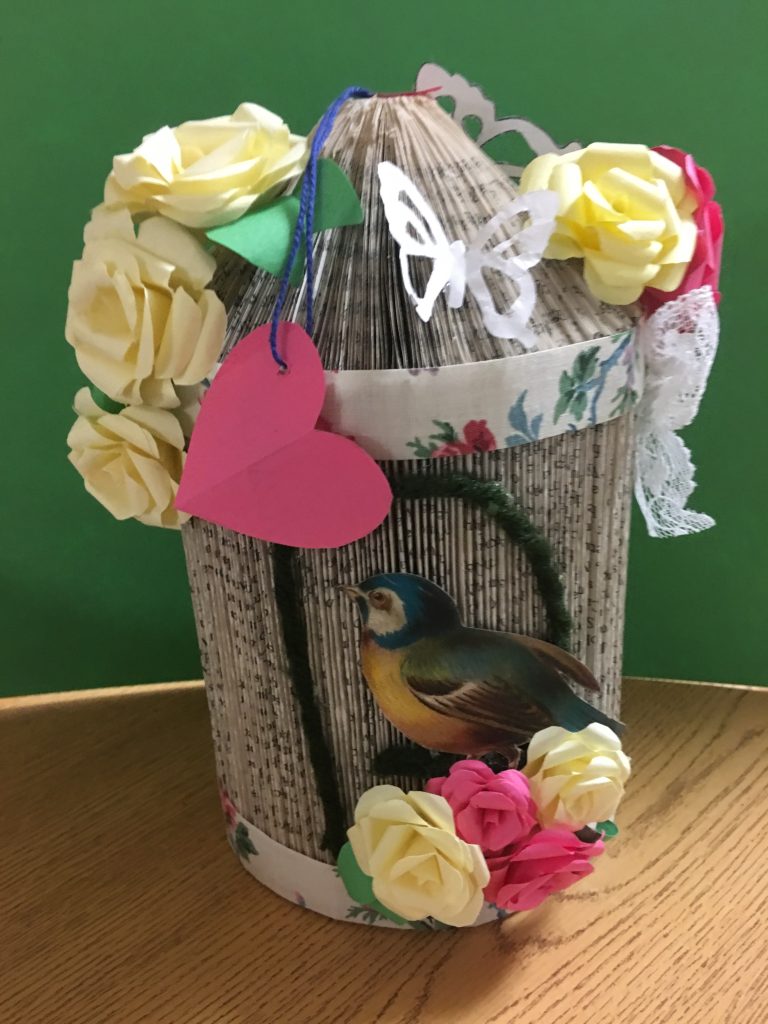
Exploring Creative Techniques for Upcycling
Upcycling is not just a trend; it is a movement that echoes the call for sustainable living while allowing for boundless creative expression. With the increasing availability of discarded materials, artists and DIY enthusiasts alike are diving into the realm of upcycling to uncover new techniques that breathe life into what would otherwise be considered waste. From everyday items to found objects, the potential for transformation is limited only by one’s imagination.
Innovative Ideas for Upcycling Projects
- Wine Bottle Lanterns: Transform empty wine bottles into stunning lanterns. By cutting the bottles and adding LED lights, you can create eye-catching decor that serves as both an art piece and ambient lighting.
- Tin Can Planters: Former food containers can be painted, punched with drainage holes, and used as quirky planters. These upcycled pieces can add personality to any garden or indoor space.
- Paper Mache Creations: Old newspapers and magazines can be molded into paper mache art. This technique offers a sustainable option for creating sculptures, bowls, and decor items that have character and texture.
The beauty of upcycling lies in its versatility. For those interested in woodworking, projects such as turning an old dresser into a bathroom vanity or converting reclaimed wood into shelves can provide both functionality and artistic appeal. Meanwhile, textile enthusiasts may find joy in combining patchwork remnants to create personalized tote bags or even clothing. The possibilities are as limitless as the materials available.
Community workshops across the United States have sprung up to support this growing interest in upcycling. These environments foster collaboration among individuals with diverse skills and experiences, enabling beginners to learn from seasoned experts. Events such as “Make and Take” workshops allow participants to create projects using materials provided at the workshops, often encouraging local donations of discarded items to spark creativity.
Moreover, upcycling is not merely about the physical transformation of materials. It is a way to cultivate a culture of mindfulness regarding consumption. With the increasing issue of plastic pollution and waste, involving oneself in upcycling has the potential to challenge traditional consumer habits, prompting a lifestyle that values sustainability. This cultural shift is especially pronounced among younger generations who are looking for meaningful ways to engage with both art and the environment.
Participating in upcycling not only allows individuals to create unique items but also assures them that they are contributing positively towards a healthier planet. As you explore various upcycling techniques, whether through personal experimentation or community collaboration, you will discover that each project speaks to the transformative power of creativity and sustainability.
Upcycling has emerged as a significant trend in the art and decor world, emphasizing creativity and sustainability. It provides individuals with the opportunity to transform discarded materials into stunning pieces of art that tell a story. This process not only reduces waste but also champions the idea of reinvention, encouraging a fresh perspective on what is typically seen as refuse.Harnessing upcycling techniques allows creators to delve into a plethora of materials, ranging from old furniture to fabric scraps. Each piece can be reimagined in a multitude of ways. For instance, wooden pallets can be converted into stylish coffee tables, while glass jars can transform into chic light fixtures. The essence of upcycling lies not only in the act of repurposing but also in the empowerment it provides. It fosters a sense of achievement and contributes positively to the environment, creating an artistic expression born from the desire to reduce, reuse, and recycle.Moreover, the upcycling movement intersects with various social initiatives, where artisans, especially from marginalized backgrounds, utilize their skills to create marketable products from waste materials. This not only supports local economies but also raises awareness about environmental issues. The aesthetic appeal of upcycled art pieces often draws the attention of buyers who appreciate unique craftsmanship combined with ecological consciousness.As interest in sustainable living grows, exploring upcycling techniques opens the door to innovative art forms that celebrate individuality while advocating for responsible consumption. By embracing this creative approach, individuals are invited to step away from the mass-produced norm and invest in one-of-a-kind decor that resonates with personal values and ecological responsibility. The journey of upcycling thus reflects broader societal changes towards sustainability and conscious living, making each created piece not just a work of art, but a meaningful statement.
DIVE DEEPER: Click here to discover how theater can change lives
Unleashing Potential: Advanced Upcycling Techniques
The practice of upcycling goes beyond simple creativity; it involves a strategic approach to maximize the potential of materials that might otherwise require disposal. As artists seek to push the boundaries of their craft, more advanced upcycling techniques are emerging, allowing for impeccable craftsmanship intertwined with environmental consciousness.
Functional Art from Furniture Rescues
One incredible avenue for upcycling involves the transformation of old furniture into functional art pieces. Rather than discarding worn-out chairs or tables, many artisans are choosing to breathe new life into these items through innovative methods. For instance, a broken wooden chair can be reimagined into a whimsical coat rack by adding hooks and a fresh coat of paint, while an obsolete dresser can be converted into a charming kitchen island complete with a butcher block top. This practice not only conserves resources but also enriches the uniqueness of home decor.
Textile Upcycling: A Stitch in Time
Textile waste is one of the largest contributors to landfill issues, making innovative textile upcycling crucial. Creative individuals are engaging in techniques like quilt-making, where fabric scraps are stitched together to create beautiful, usable pieces. Additionally, T-shirts that have outlived their initial purpose can be cut and braided to form colorful rugs or reusable tote bags. Event promoters specializing in sustainable fashion are also leading initiatives like “swaps,” where individuals exchange unwanted clothes, encouraging re-envisioning and a reprieve from fast fashion
3D Printing with Recycled Materials
The intersection of technology and art is playing a pivotal role in modern upcycling efforts. Recent innovations in 3D printing now allow for the creation of stunning art pieces and decor using recycled plastic waste, which is transformed into filament for printers. This method not only reuses plastics but also opens doors for intricate designs previously impossible to obtain through traditional methods. Furthermore, local initiatives in major cities are providing accessible resources for community members to learn and engage with 3D printing technology.
As the upcycling movement gains traction, businesses are also tapping into this ethos. Companies such as “Patagonia” have launched programs that encourage consumers to repair and recycle their outdoor gear, further advocating for a circular economy. These moves emphasize the importance of restoring value to materials through direct consumer engagement, ensuring that upcycling becomes part of daily practices beyond just individual artisans.
Collaborative Art Installations
Many artists are also embracing collaborative projects that involve the collective effort of communities, incorporating local history and narratives. Large-scale installations made from upcycled materials can be seen in public spaces, transforming how materials are perceived and utilized. For example, a mural made from discarded plastic bottle caps not only beautifies a neighborhood but also raises awareness about plastic waste. These communal endeavors encourage collective growth and foster a deeper connection to the environment.
The world of upcycling is continually evolving, showing that creativity knows no bounds and that waste can fuel innovation. Exploring these advanced upcycling techniques empowers individuals to turn discarded materials into cherished artifacts and essential everyday items. Each effort to upcycle speaks volumes about a commitment to sustainable living while celebrating the art of transformation.
DIVE DEEPER: Click here to discover the power of creative writing
Conclusion: Embracing Upcycling for a Sustainable Future
As explored throughout this article, the journey of upcycling techniques embodies more than mere creativity; it reflects a growing movement towards sustainability and conscious living. From transforming worn-out furniture into beautiful art pieces to repurposing textiles and utilizing cutting-edge 3D printing technology, upcycling reveals the endless possibilities that exist when we dare to reimagine discarded materials. These innovations not only contribute to a significant reduction in waste but also foster a sense of community and collective responsibility.
Notably, the rise of collaborative art installations highlights how public engagement can turn the act of upcycling into a shared experience, transforming communities while educating them about environmental issues. This dynamic approach underscores a fundamental shift in societal values—one that prizes creativity and sustainability in equal measure. As businesses and individuals alike champion the ethos of upcycling, a path toward a healthier planet takes shape.
Ultimately, embracing upcycling is not simply about creating unique décor; it is a commitment to a more sustainable lifestyle. As you consider your own contributions to the art of upcycling, whether it be through DIY projects or local workshops, you become part of a larger narrative advocating for change. The challenge remains to continuously seek inspiration in the ordinary and view potential where others see trash. In a world that often celebrates the new, let us recognize the beauty that lies in the potential of what already exists—because every piece tells a story waiting to be unveiled.