Menu

Impacts of Inflation on Wealth Management: How to Protect Your Investments

Inflation significantly affects wealth management by eroding purchasing power and impacting investment performance. To protect investments, diversify portfolios, adjust asset allocations, and monitor inflation trends. Adopting strategies like dollar-cost averaging and investing in inflation-resilient assets can ensure financial stability and growth amidst economic fluctuations.

The Psychology of the Investor: How Affective Behaviors Influence Wealth Management

This overview explores how emotional factors and psychological biases affect investor behavior and wealth management strategies. By understanding these influences, investors can cultivate awareness and adopt actionable strategies to enhance decision-making and achieve better financial outcomes, navigating the complexities of the market with improved emotional intelligence.

The Role of Technology in Asset Management: Tools and Trends for 2024

The article explores how advanced technology is transforming asset management, emphasizing tools like data analytics, automation, and AI. Key trends for 2024, including blockchain integration and ESG prioritization, are crucial for enhancing operational efficiency and client engagement in a rapidly evolving financial landscape.

The Importance of Diversification in Asset Management: Strategies to Minimize Risks

Diversification is essential in asset management to minimize risks and enhance portfolio resilience. By spreading investments across various asset classes, sectors, and geographies, investors can mitigate losses and achieve more stable returns. Employing strategies like dollar-cost averaging and utilizing ETFs can further strengthen risk management in uncertain markets.

Investing in Cryptocurrencies: Risks and Opportunities in a Volatile Market

Investing in cryptocurrencies presents both risks and opportunities amid significant market volatility. Understanding price fluctuations, employing strategies like diversification and dollar-cost averaging, and staying informed about regulatory changes can help investors navigate this dynamic landscape effectively, maximizing potential returns while managing inherent risks.

The Role of Macroeconomic Analysis in Investment Decisions: What to Observe

Macroeconomic analysis plays a vital role in investment decisions, helping investors understand key indicators like GDP, inflation rates, and unemployment. By monitoring these economic factors, investors can anticipate market trends, assess risks, and optimize their investment strategies for better performance in a dynamic financial landscape.

Long-Term Investment Strategies: Building Sustainable Wealth

Explore effective long-term investment strategies for building sustainable wealth. Focus on diversification, patience, and risk management to enhance portfolio stability. Embrace the power of compounding returns and utilize tax-advantaged accounts. A strategic, disciplined approach ensures resilience against market fluctuations and paves the way to lasting financial success.

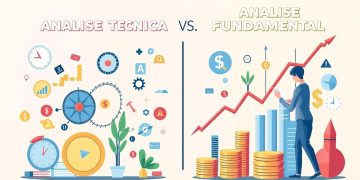
Technical Analysis vs. Fundamental Analysis: Choosing the Best Approach for Investing

This article explores the differences between technical analysis and fundamental analysis in investing. It highlights how technical analysis focuses on historical price movements and market sentiment, while fundamental analysis evaluates a company's financial health and economic conditions. Understanding both approaches helps investors make informed decisions that align with their investment strategies.

Investment Strategies in Startups: Assessing Risks and Potential Returns in Growing Companies

Investing in startups offers exciting opportunities but involves navigating risks and uncertainties. Key strategies include thorough market research, careful evaluation of management teams, and understanding financial health. By balancing risk assessment and potential returns, investors can make informed decisions that align with emerging trends and technological innovations.

Investing in Dividend Stocks: Ensuring Passive Income and Growth

Discover how investing in dividend stocks can provide stable passive income while fostering long-term growth. By understanding key metrics like dividend yield and payout ratios, and evaluating factors such as dividend growth history and economic moats, you can make informed investment decisions that enhance your financial independence.