
Writing Children’s Stories: Activities to Create Enchanting Narratives for Children
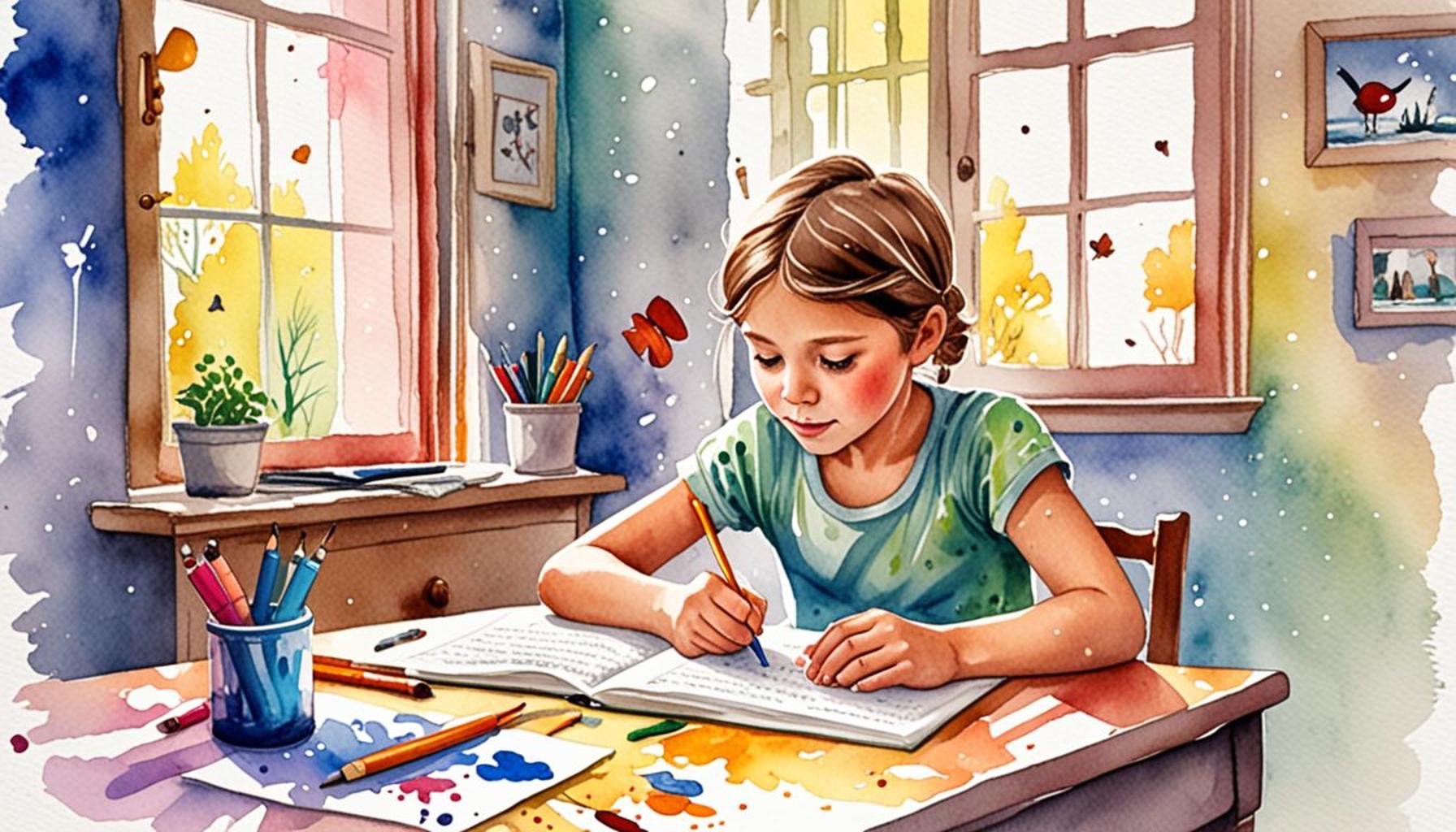
Exploring the Art of Crafting Captivating Children’s Stories
Writing children’s stories opens the door to a realm where imagination knows no bounds. This enchanting journey not only captivates young readers but also establishes the foundational love for reading and storytelling. A well-crafted story can serve as a powerful tool for education, helping children to learn important life lessons while expanding their vocabulary and comprehension skills. But how do aspiring authors turn fleeting ideas into whimsical narratives that leap off the page?
To create stories that resonate with young audiences, it is essential to consider several key elements:
- Relatable Characters: Children are more likely to engage with stories that feature characters they can identify with. Whether it’s a shy child discovering their courage or a quirky creature trying to find a friend, relatable characters allow young readers to see themselves reflected in the narrative. For example, in the classic book “The Very Hungry Caterpillar” by Eric Carle, the caterpillar’s journey of growth and transformation speaks to children’s experiences in exploring their own identities.
- Engaging Plots: A captivating plot filled with challenges and moral lessons encourages problem-solving and critical thinking. Stories like “Where the Wild Things Are” by Maurice Sendak offer a rich tapestry of adventure while addressing themes of emotions and belonging. Including scenarios where characters face dilemmas allows children to learn valuable lessons implicitly, fueling their development.
- Imaginative Settings: An extraordinary setting can transport readers to other worlds, igniting their curiosity and sense of wonder. Be it a magical forest, an underwater kingdom, or even outer space, vividly painted backdrops encourage creativity within children. Stories like “Alice’s Adventures in Wonderland” by Lewis Carroll make use of surreal and playful environments that invite readers to explore their own imaginative realms.
Incorporating right activities to enhance storytelling can transform the writing process into an engaging experience. Here are a few effective techniques:
- Story Cubes: Using dice adorned with pictures stimulates spontaneous storytelling. Children can roll the dice and develop a narrative based on the images they see, promoting creativity and flexibility in thinking.
- Character Development Worksheets: Providing templates with guiding questions can help young writers flesh out their characters. By defining traits, backgrounds, and motivations, budding authors can create multidimensional figures that enrich their stories.
- Group Story Writing: Encouraging collaboration through group storytelling nurtures teamwork and enhances narrative skills. Participants can take turns contributing sentences or ideas, fostering a sense of community and shared creativity.
Engaging in these activities not only makes storytelling enjoyable but also lays a strong foundation for future literary adventures. As children develop their storytelling skills, they cultivate a remarkable ability to express themselves, think critically, and foster empathy through understanding diverse perspectives. As we explore each technique in detail, consider not only how to implement them but also the profound impact they can have on a child’s literary path.
DISCOVER MORE: Click here to uncover essential skills and creative ideas

Igniting Creativity Through Engaging Activities
Creating enchanting narratives for children is not just about weaving words; it involves igniting their imagination and fostering creativity through innovative activities. These activities serve as catalysts, transforming simple ideas into captivating tales that spark joy and curiosity. By engaging in interactive and playful storytelling exercises, young writers can not only strengthen their narrative skills but also develop a deeper appreciation for literature. Here, we delve into a selection of activities that can inspire children to bring their stories to life.
- Story Mapping: This activity breaks down the components of storytelling in a visually appealing manner. Using a large sheet of paper or a digital platform, children can draw various elements of their story, including characters, settings, conflicts, and resolutions. This technique allows them to visualize the flow of the narrative, understand the structure, and ensure coherence. By creating a map of their story, young authors can better organize their thoughts and ideas, making the writing process less daunting.
- Character Charades: To make character development more interactive, consider organizing a game of charades. Children can select character traits from a hat and act them out without speaking. This fun activity helps them understand the complexity of personalities and encourages them to think about how their characters would respond in different situations. Moreover, it enhances their empathy and ability to view the world through someone else’s eyes—a crucial skill in storytelling.
- Inspirational Read-Aloud Sessions: Reading aloud isn’t just for enjoyment; it can also be a powerful storytelling tool. Inviting children to listen to engaging tales read by teachers or parents introduces them to different styles of writing and diverse themes. Accompanying discussions can spark their imagination, prompting them to ask questions and think beyond the text. This practice not only expands their understanding of narrative elements but also encourages them to experiment with their own writing styles.
- Storytelling Through Art: Encourage children to express their narratives through illustration. Creating drawings or collages based on their stories can enhance their understanding of visual storytelling and inspire them to think about descriptions and settings in greater detail. This method activates their creativity by integrating visual arts with writing, allowing children who may be more inclined toward art to engage with storytelling in a comfortable and meaningful way.
Incorporating these activities into writing sessions can turn the mundane task of writing into a joyful adventure for children. As they explore different facets of storytelling, they become more adept at expressing themselves and crafting narratives that resonate with their peers. This not only emboldens their voice as young authors but also nurtures a lifelong love for reading and storytelling. Ultimately, the goal is to create a nurturing environment that encourages experimentation, creativity, and profound connections with literature.
Activities to Ignite Creativity in Children’s Storytelling
When it comes to writing children’s stories, engaging activities can make a world of difference. One effective approach is using story prompts. These prompts can help spark imagination and encourage young writers to express their thoughts. For instance, asking kids to think about a magical creature who lives in their own backyard can lead to enchanting tales filled with adventure and discovery. Another captivating activity is “Character Creation”. In this exercise, children can draw their characters while envisioning their backstory. By combining art and storytelling, children not only develop their writing skills but also learn about character development—crucial for any narrative. Interactive storytelling is also a powerful tool. By creating stories collaboratively with peers, children improve their listening skills as they integrate ideas from their friends. This collaboration fosters teamwork and enhances their ability to think on their feet, which are invaluable skills in both writing and personal growth.Incorporating objects from everyday life as inspiration—such as toys or household items—can also help children craft relatable and imaginative stories. This encourages them to observe their surroundings critically, broadening the scope of their narratives. Print out story maps or use visual aids to help kids outline their tales, effectively combining structure with creativity. These visual aids can serve as a roadmap for their writing journey, making the process less daunting and more enjoyable. Moreover, technologies such as storytelling apps can enhance the interactive experience, providing an exciting platform for children to write, illustrate, and share their stories with others. The use of multimedia elements in storytelling captivates their audience and inspires them to think outside the box. As you integrate these activities into your routine, remember that the goal is not only to develop writing skills but also to cultivate a lifelong love for storytelling. Each activity paves the way for confident, creative young writers eager to share their enchanting narratives.
| Activity Category | Description |
|---|---|
| Story Prompts | Ignite creativity by providing ideas for story beginnings. |
| Character Creation | Encourages children to draw and develop characters with depth. |
| Interactive Storytelling | Fosters collaboration and enhances listening skills through shared storytelling. |
| Object Inspiration | Encourages observation of surroundings to motivate storytelling. |
Utilizing these engaging activities can transform the writing experience for children, enabling them to explore their imaginations while learning essential narrative skills.
DISCOVER MORE: Click here to learn about the influence of online communities
Exploring Sensory Storytelling Techniques
As children embark on their journey of storytelling, incorporating sensory experiences can greatly enrich their narratives. Engaging multiple senses not only captivates the audience but also helps young writers construct immersive worlds that resonate with their readers. Here are some compelling activities designed to evoke the senses and enhance the storytelling process.
- Sound Scavenger Hunt: Transforming everyday sounds into a storytelling tool can lead to extraordinary narratives. Organize a sound scavenger hunt where children listen for various noises in their environment, such as bird songs, footsteps, rustling leaves, or even the hum of everyday life. Ask them to describe these sounds and integrate them into their stories. This exercise nurtures their auditory imagination, encouraging them to paint a more vivid picture through onomatopoeia and descriptive language.
- Tactile Story Bins: Introducing tactile elements can create a multi-dimensional experience for budding storytellers. Set up story bins filled with various textured items like feathers, sand, rocks, and fabric. As children interact with these materials, prompt them to think about how these textures influence the mood or actions within their stories. Encouraging them to describe the sensation of each object helps enrich their vocabulary and sensory awareness, fostering a deeper connection to their narrative.
- Smell Jar Exploration: Scents evoke powerful memories and emotions, a phenomenon that can be harnessed for storytelling. Create smell jars filled with items such as spices, flowers, or herbs. Have children take turns smelling the jars and discussing any memories or feelings the scents trigger. This activity can help them generate plot ideas or character motivations based on the evoked sensations, bridging the gap between sensory experience and imaginative storytelling.
- Imaginary Taste Tests: While it’s not always feasible to sample different foods during a writing session, children can certainly engage in imaginary taste tests. Have them close their eyes and envision their favorite foods or even concoct fantastical dishes. They can describe the taste, texture, and aroma in detail, pushing their descriptive skills to the next level. This encourages creative thinking about how characters in their stories might relate to food, which often plays a significant role in children’s literature, like in stories of feasts or culinary adventures.
By integrating these sensory-focused activities into their writing practices, children can learn to craft stories that are not only engaging but also deeply resonant with sensory dimensions. Sensory storytelling encourages them to go beyond simple visual descriptions, inviting their audience to embark on a multi-sensory journey through their words. This kind of detailed narrative crafting can elevate their writing, resulting in enchanting stories that linger in the minds of young readers and resonate with their own experiences.
As we continue to explore various techniques to enhance children’s storytelling abilities, it’s essential for educators and parents to create an atmosphere where curiosity and experimentation thrive. Providing young writers with tools and activities that embrace the full spectrum of human experience can help them uncover their unique storytelling voice, making writing a fulfilling and liberating pursuit.
DISCOVER MORE: Click here to delve deeper
Conclusion
In a world filled with stories waiting to be told, writing children’s stories stands out as a vital path to nurturing creativity and imagination in young minds. Incorporating a variety of activities, such as sensory storytelling techniques, encourages children to engage with their narratives in dynamic ways. Whether it’s through sound scavenger hunts that fine-tune their auditory observation, tactile story bins that enhance their descriptive language, or smell jar explorations that evoke rich emotions, these activities help to construct vibrant and immersive tales.
Moreover, fostering an environment that celebrates experimentation and curiosity is essential for the development of future storytellers. By utilizing activities aimed at enriching their sensory experiences, we equip children with the tools they need to not just write entertaining stories, but to create enchanting narratives that resonate with readers of all ages. Encouraging young authors to delve into the sensory depths of their narratives helps ensure their works will leave a lasting impact, sparking joy and connection in the hearts of those who read them.
As we advance further into the landscape of children’s literature, let us embrace these creative approaches—transforming the art of storytelling into an adventurous journey that empowers children to express their unique voices. The stories they write today can shape the readers, dreamers, and explorers of tomorrow, making the pursuit of writing children’s stories not just an art, but a profound gift to future generations.