Writing Letters: The Emotional Connection Through Creative Correspondence
Unveiling the Heart of Communication
In an age dominated by digital messages, the art of letter writing remains a powerful form of creative correspondence. Each handwritten note carries a unique emotional weight, forging connections that transcend time and distance. As we explore the significance of writing letters, we uncover the ways this age-old practice nurtures intimacy and understanding. By focusing on the nuances that differentiate letters from fleeting digital exchanges, we begin to appreciate their profound impact on human interaction.
The Power of Letters
Letters possess a distinctive ability to create heartfelt connections. They offer:
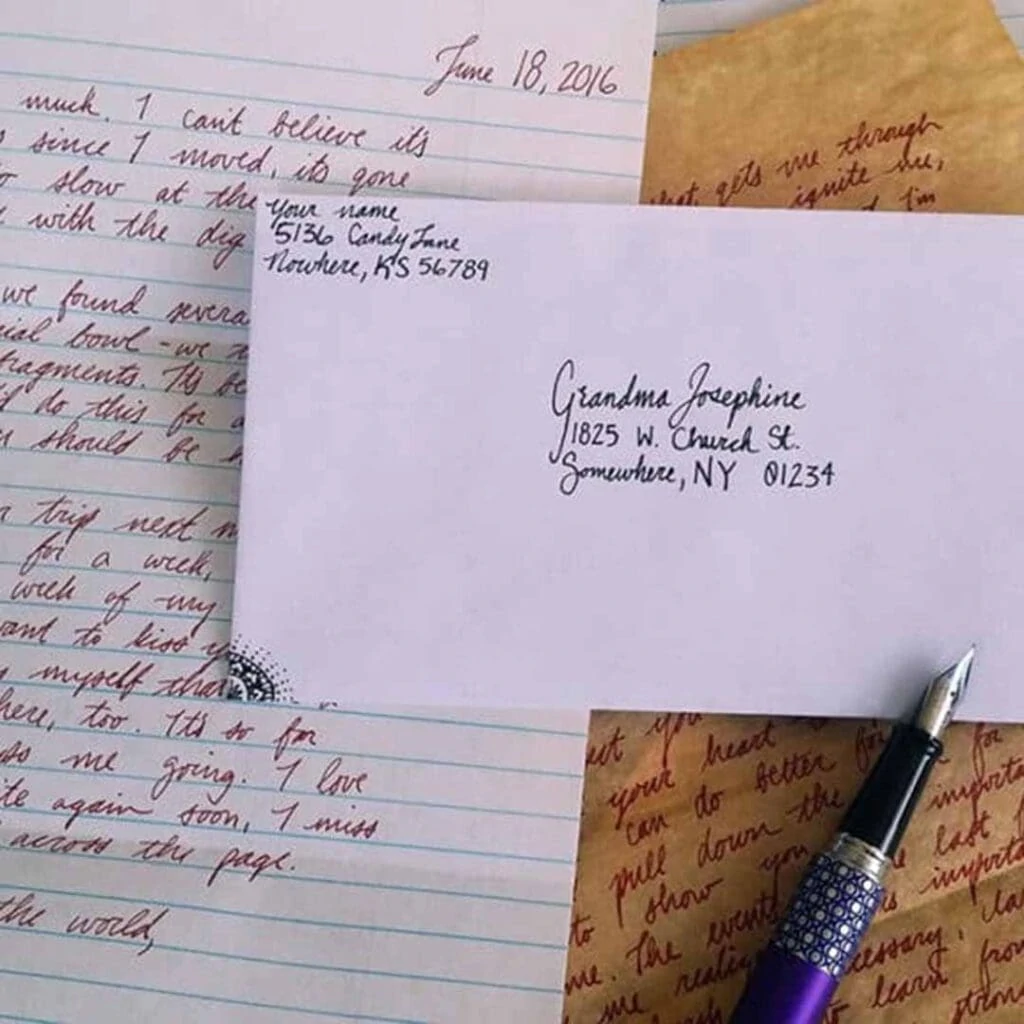
- Personal Touch: Handwriting conveys personality that typed messages simply cannot replicate. A scrawl may evoke a sense of urgency, while a carefully crafted script can elicit warmth and thoughtfulness, transforming mundane messages into cherished memories. For example, a birthday note written in a loved one’s handwriting feels more personal than a quick text message.
- Reflective Depth: The slow process of writing lends itself to thoughtful expression. Unlike instantaneous digital communications, a letter lets the writer pause and consider their words. This reflective approach fosters deeper insights and can result in more meaningful conversations, allowing writers to articulate feelings they may not easily express face-to-face.
- Memorable Keepsakes: Letters can be cherished and revisited, creating lasting memories. Unlike emails, which can be lost in a digital backlog, a handwritten letter can be saved, displayed, or tucked away, often evoking nostalgia. For instance, receiving a long-lost letter from a friend can reignite fond memories of shared experiences.
Beyond mere words, letters evoke emotions through tone, choice of vocabulary, and style. Interestingly, studies show that recipients often feel more valued when receiving a handwritten note compared to a text or email. In a world inundated with instant notifications, the effort put into crafting a letter speaks volumes about the sender’s commitment to the relationship.
Why Modern Communication Craves Letters
As society embraces instant messaging and social media, the yearning for authentic communication resurfaces. Many individuals seek solace in the simple yet profound act of writing letters. Here are a few reasons why:
- Emotional Release: Writing can be therapeutic, offering an outlet for bottled feelings. Whether it’s a letter to a friend about recent struggles or a note of gratitude for someone in your life, the act of writing can serve as a release valve for emotions often left unspoken.
- Strengthening Bonds: A letter can rekindle relationships by expressing care and appreciation. In an era where many interactions are shallow, taking the time to write and send a letter can dramatically strengthen connections. For example, after a long time apart, a letter can serve to bridge the gap and reignite a friendship.
- Creative Expression: Letter writing encourages creativity, allowing writers to craft their narratives. Unlike digital formats that might feel constrained or rushed, letters allow for extensive elaboration. Creative embellishments, such as drawings or ornate calligraphy, can make a letter even more special, showcasing the writer’s artistic flair.
By delving into the world of letter writing, we discover not just a means of communication but a gateway to creativity and emotional connection. The significance of each letter extends far beyond its words, serving as a vessel to convey emotions, build relationships, and reflect on life’s intricacies.
DISCOVER MORE: Click here to dive deeper
Letters as Lifelines
In the hustle and bustle of daily life, the act of writing a letter can become a lifeline—a momentary escape from the fast-paced digital whirlwind. Engaging in letter writing not only cultivates a personal touch in communication but also sparks the flames of creativity and introspection. Just as a well-composed melody can resonate with the heart, a thoughtfully penned letter has the power to strike emotional chords and enhance connections. This section delves into the multifaceted benefits of crafting letters and how they serve as bridges across vast emotional landscapes.
The Therapeutic Nature of Writing
For many, the process of writing a letter offers a therapeutic release. It provides an opportunity to sit with one’s thoughts, allowing room for reflection and emotional processing. Here are a few key benefits that highlight this therapeutic nature:
- Articulating Feelings: Writing a letter can facilitate the articulation of complex emotions, fostering clarity. Writers often find that expressing sentiments on paper prompts deeper understanding of their feelings and situations, illuminating aspects that may remain unacknowledged in verbal communication.
- Stress Relief: The act of writing can reduce anxiety and stress levels. A letter can serve as a safe space to pour out unresolved feelings or frustrations, much like journaling. This outlet not only delivers a sense of relief but allows for healing over time.
- Feeling of Accomplishment: Completing a letter provides a tangible sense of achievement. This process can bring satisfaction and pride to the writer, which contributes positively to their mental well-being, transforming raw emotions into something beautiful and meaningful.
This therapeutic aspect of letter writing is particularly evident in contexts such as personal struggles, heartache, or moments of joy. A comforting note to a friend experiencing difficulty, or a letter of gratitude to a mentor, can become invaluable treasures—both for the writer and the recipient.
Building Connections Across Distances
While modern technology facilitates instant communication, the emotional depth of a handwritten letter can transcend physical distances. The anticipation of receiving a letter—even in our fast-paced world—creates genuine excitement. Here’s how letters strengthen connections:
- Personalized Communication: Unlike general social media posts, letters are tailored to the recipient. Each letter reflects shared experiences, inside jokes, and personal anecdotes, making them feel more intimate and significant.
- Encouragement in Difficult Times: During instances of loneliness or distress, a letter can serve as a beacon of hope. Messages of support or love can significantly impact the recipient, offering strength during challenging times.
- Celebration of Milestones: Whether it’s a graduation, marriage, or new job, letters have a unique way of commemorating pivotal moments. The time and care taken to write a celebratory letter enhance the joy, creating a lasting memento for the receiver.
The journey into the realm of letter writing reveals a powerful means of fostering emotional connections, allowing individuals to articulate their feelings while fortifying relationships amidst life’s complexities. Through the simple act of putting pen to paper, we discover not only the potential to heal but also the opportunity to connect on a profound level.
| Advantage | Description |
|---|---|
| Enhances Emotional Depth | Writing letters allows for deeper emotional expression, building strong connections. |
| Creative Engagement | It stimulates creativity, encouraging personalized designs and heartfelt messages. |
| Timeless Keepsake | Letters serve as sentimental keepsakes, cherished for years as constant reminders. |
| Promotes Mindfulness | The process of writing letters encourages a thoughtful and mindful approach. |
In today’s fast-paced world, the art of writing letters stands out as a genuine means of communication. Each letter penned represents a dive into one’s emotional landscape, allowing the writer to connect with their feelings and share them authentically. This practice of letter writing often results in enhanced emotional depth, fostering the kind of relational intimacy often lost in texting and emails. Furthermore, the act of writing is inherently creative. Letters can be adorned with personal touches such as drawings, stickers, or unique stationery, making each piece a work of art.Another compelling aspect of letter writing is its capacity to create timeless keepsakes. Unlike fleeting digital messages, letters can be preserved, cherished, and revisited, serving as poignant reminders of shared moments. Additionally, the discipline required in crafting a letter promotes mindfulness, allowing individuals to slow down, reflect, and articulate their thoughts with a level of care often absent in everyday life.This enriching combination of emotional connection and creative expression underscores the enduring value of letter writing in personal, meaningful correspondence.
DISCOVER MORE: Click here for calming writing techniques
Letters as Keepsakes of Connection
In a world dominated by fleeting digital messages, the enduring nature of a handwritten letter transforms it into a priceless keepsake. These physical embodiments of our thoughts hold extraordinary sentimental value, capable of evoking cherished memories and emotions long after they have been read. The lasting impact of letters can be categorized in several remarkable ways:
- Physicality and Tangibility: Unlike emails or texts that can easily be deleted or lost, letters endure in the tangible realm. Many individuals treasure letters as objects imbued with emotion, making them artifacts of personal history. Some letters are kept in boxes or displayed prominently, serving as constant reminders of relationships and significant moments.
- Personal Artistry: The unique handwriting, chosen stationery, and even the scent of the paper combined contribute to the personal artistry of each letter. These artistic details create a sensory experience that transcends mere words and fosters a deeper connection. Recipients often appreciate the time spent curating these elements, amplifying their emotional resonance.
- A Legacy of Stories: Letters create a genealogy of stories over generations. Individuals often look back on cherished letters from loved ones and find threads that bind them to their ancestry. This practice of saving childhood letters or notes from relatives enhances familial bonds and leads future generations to understand their roots.
Fostering Empathy Through Writing
Beyond personal sentiments, writing letters can cultivate empathy and understanding in broader societal contexts. Letters, particularly those addressed to public figures or communities, can act as catalysts for awareness and change. Here are a few powerful examples:
- Advocacy and Activism: Many movements throughout history have harnessed the power of letter writing to invoke change. Whether it’s a campaign for civil rights or environmental preservation, personal letters from supporters can influence opinions and spur action. The emotional weight behind each letter often resonates with a broader audience, moving people to empathize with social issues.
- Forging Connections Across Cultures: International pen pal programs have introduced countless individuals to different cultures and perspectives through letter writing. Exchanging letters with someone from another country can foster empathy by breaking down stereotypes and facilitating dialogues between diverse populations.
- Grief and Healing Letters: Writing letters to those who have passed away or to individuals enduring loss can provide comfort and facilitate the grieving process. This practice acknowledges the deep emotional pain while creating a space for healing; many express their unresolved feelings through penned words, allowing them to process grief in a constructive way.
As we explore the tapestry of letters enriched with creativity and emotion, the unique power of these intimate exchanges is evident. By consciously engaging in the art of letter writing, we not only deepen our connections with others but also cultivate a compassionate understanding of ourselves and the world around us.
DIVE DEEPER: Click here to learn more
Embracing the Art of Letter Writing
In a rapidly evolving digital landscape, the timeless practice of written correspondence remains an essential medium for expressing the depth of human emotion and connection. As we reflect on the power of letter writing, it becomes clear that these tangible creations encapsulate a rich tapestry of personal stories, emotions, and connections. From the physicality of a handwritten note to the care put into its artistic presentation, each letter is a unique artifact that goes beyond mere communication. It serves as a keepsake that bridges the gap between time and space, allowing us to revisit precious memories and feelings.
Moreover, the act of writing letters fosters empathy and understanding, not only among friends and family but also across cultural and societal divides. As we engage in letter writing, whether advocating for social change or reaching out to someone in grief, we embrace a deeper understanding of our shared humanity. This creative correspondence not only strengthens our bonds with others but encourages a spirit of compassion that can resonate in our communities.
As we navigate through modern life, remember the power of pen and paper. By embracing creative correspondence, we can cultivate emotional connections that transcend our digital interactions. So, pick up a pen, write a letter, and explore the profound impact it can have on both your life and the lives of those you connect with.